
Using CT Scans, Scientists Reveal Pompeii Eruption Victim Was a Doctor
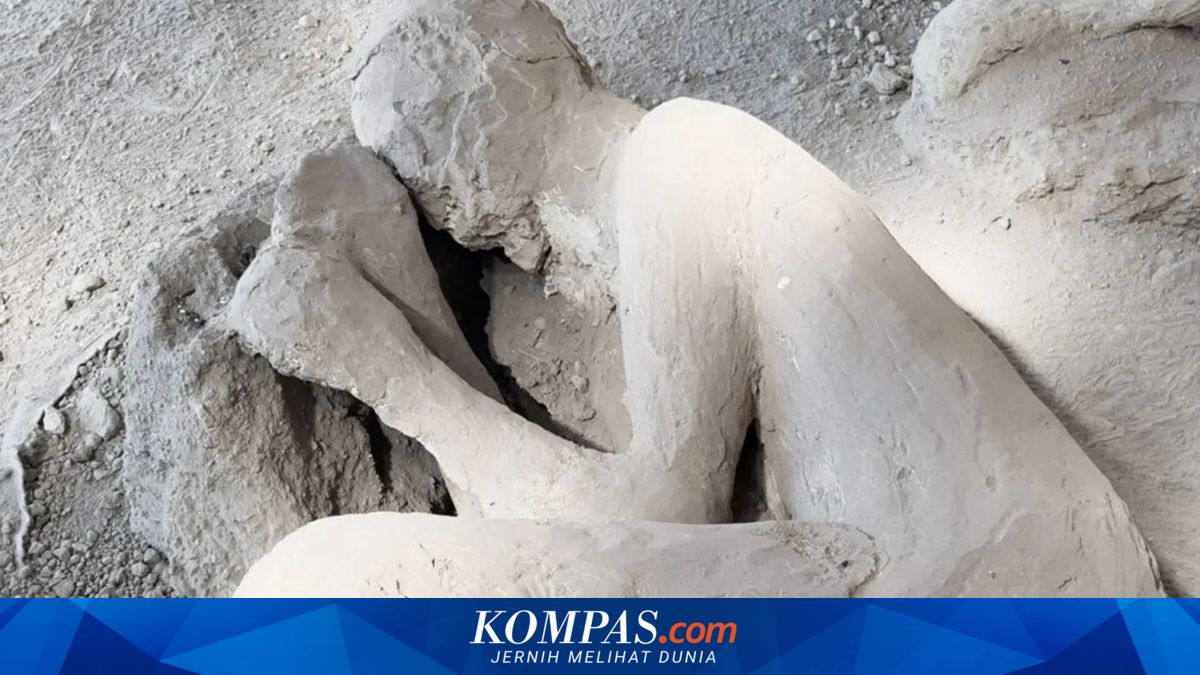
The ancient city of Pompeii seems never to run out of tragically captivating stories from the past. A recent analysis using modern scanning technology has succeeded in revealing the identity of one of the victims of the catastrophic eruption of Mount Vesuvius in 79 CE. The man entombed by the advancing ash is believed to have carried a box of ancient medical equipment as he breathed his last. The discovery strongly suggests that he was a doctor — or medicus in Latin.
Rather than finding a safe shelter, the group was overwhelmed as a pyroclastic surge of toxic gases (likely carbon dioxide and sulfur dioxide) and hot ash shot from the summit of Vesuvius. The Pompeii site itself was first unearthed in the 16th century, but plaster casts of the victims’ body cavities in the site’s gardens were only made by archaeologists in 1961. For more than 60 years, a small organic container (believed to be leather) attached to the doctor’s plaster cast has remained a tightly guarded mystery.
Thanks to advances in medical technology, researchers at the Pompeii Archaeological Park were able to glimpse the contents of the box without damaging it, using X-ray scanning and CT scans. The scan results show that the box, fitted with a gear-wheel locking mechanism, contained substances used to treat patients — honey, wine, vinegar, and herbal plant extracts. In addition to the medical box, the doctor was found to be carrying a small cloth bag containing bronze and silver coins.
“The man carried the tools with him so that he could rebuild his life elsewhere thanks to his profession, but he may also have intended to help others in the midst of the disaster,” said Gabriel Zuchtriegel, Director of the Pompeii Archaeological Park, in an official statement on Tuesday (19 May 2026).
It is not yet known whether the doctor was trapped while trying to flee to safety, or if he stayed in the vineyards to tend to those injured by Vesuvius’s fury.