
User Safety on LRT Jabodebek: Why Simple Habits Should Not Be Ignored
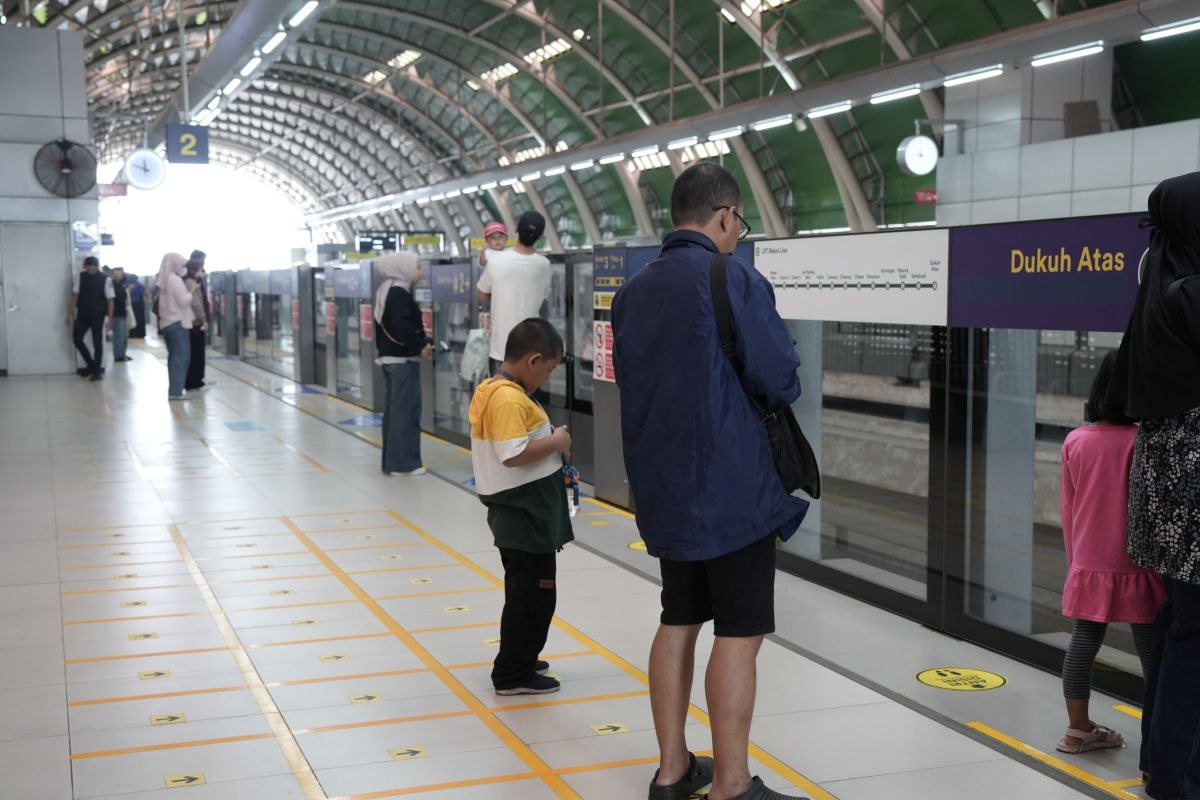
Every day, tens to hundreds of thousands of people use the LRT Jabodebek for activities ranging from work and school to leisure. Amid this high mobility, travel safety depends not only on the system and staff but also on the habits of every user while at the station or inside the train.
Several habits are still often considered trivial, such as standing too close to the platform edge, blocking train doors during the boarding and alighting process, or using emergency facilities improperly. In fact, such behaviour can affect the safety, comfort, and smoothness of the journey for everyone.
Manager of Public Relations for LRT Jabodebek, Radhitya Mardika, stated that safe public transport is built through collaboration between the operator and the community.
“Safety is a shared responsibility. In addition to ensuring services run according to operational standards, we also invite all users to build a culture of orderly public transport use. Simple habits practised by each user can have a major impact on the safety and comfort of travel for all,” said Radhitya.
As part of efforts to build a safety culture in public transport, LRT Jabodebek encourages the public to adopt the following habits when using the service.
First, stand behind the yellow line while waiting for the train. The yellow line on the platform serves as a safe boundary for users before the train comes to a complete stop. Waiting behind this line helps reduce the risk of being grazed by the train or pushed due to passenger crowding.
Second, give priority to alighting passengers before boarding the train. This habit helps smooth the flow of passenger movement, reduces congestion at the doors, and speeds up the boarding and alighting process without compromising safety aspects.
Third, avoid obstructing train doors that are about to close. Train doors are part of an operating system designed to support travel according to schedule. Obstructing the doors can disrupt the departure process and affect the smoothness of the journey.
Fourth, remove backpacks and carry bags in front of the body when the train is crowded. This simple practice provides more comfortable space for fellow passengers, reduces the risk of bumping into others, and makes moving inside the train easier.
Fifth, use emergency facilities only in conditions that genuinely require immediate attention. Facilities such as the Emergency Intercom are provided so users can communicate with staff in the event of an emergency. Proper use will help staff provide a quick and effective response.
Radhitya added that a safety culture in public transport is reflected not only in compliance with rules but also in consideration for fellow users.
“Simple things like queuing in an orderly manner, giving space to alighting passengers, and following staff directions are forms of consideration that can create a safer and more comfortable journey for all. The more people who adopt these habits, the better the experience of using public transport will be,” he added.
LRT Jabodebek also urges users to immediately inform the Train Attendant or station staff if they encounter conditions that could potentially disrupt travel safety or comfort. Active public participation is an important part of creating a safe, orderly, and reliable public transport service for all users.