
Used vehicle transfer fees waived: requirements and procedures explained
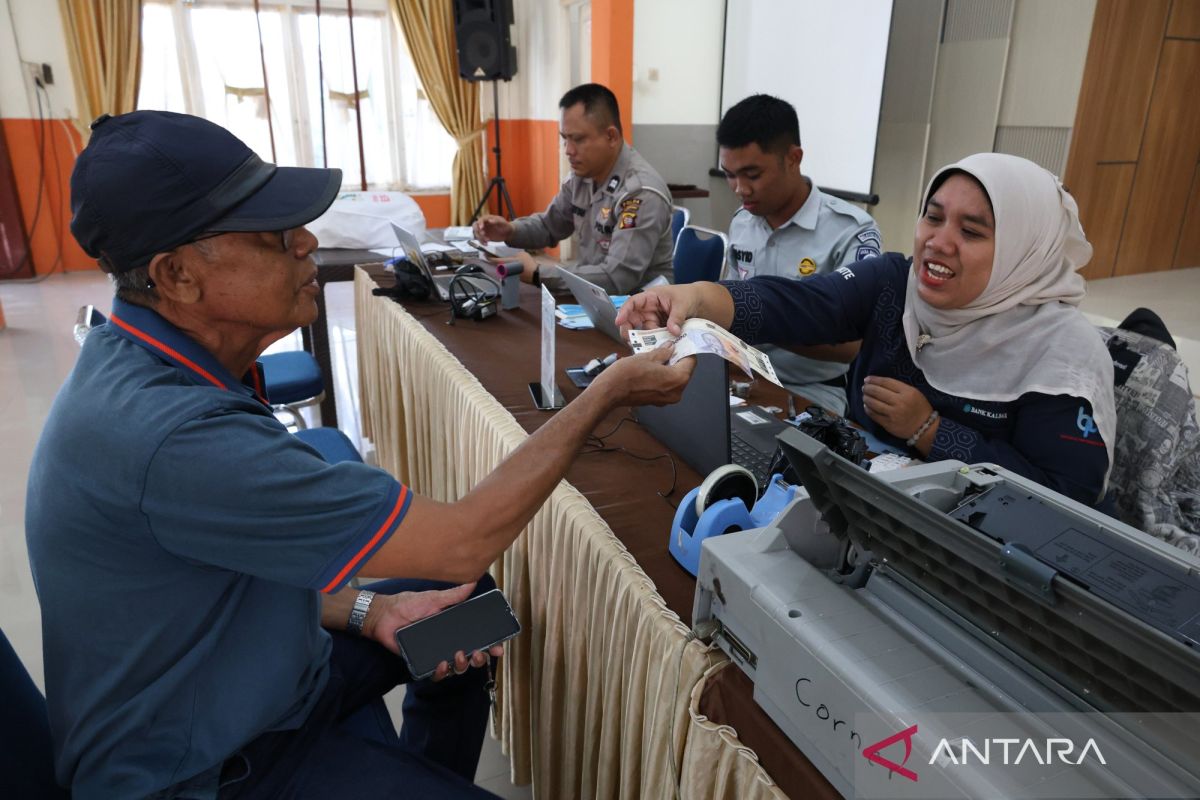
Jakarta (ANTARA) - The Motor Vehicle Transfer Fee (BBNKB) for used vehicles is no longer charged as a core cost. This policy is based on the provisions of the Law on Financial Relations between the Central Government and Regional Governments (HKBM).
It is important for members of the public purchasing second-hand cars or motorcycles to understand the abolition of BBNKB for used vehicles. Although the BBNKB II component is no longer collected, the vehicle ownership transfer process is not entirely free, as administrative fees and other tax obligations still apply.
Why is the BBNKB for used vehicles free?
Based on Law Number 1 of 2022 concerning HKPD, the object of BBNKB is the first delivery of a motor vehicle. This means that vehicles that were previously registered and subsequently change ownership as used vehicles are no longer subject to BBNKB.
This policy has been implemented in various regions. In DKI Jakarta, for instance, the Regional Revenue Agency (Bapenda) stated that used vehicles will officially be exempt from BBNKB starting from 5 January 2025. Consequently, individuals purchasing used vehicles will not need to pay BBNKB II when undergoing the ownership transfer process.
Although the BBNKB for used vehicles is free, it does not mean the entire administrative process at the Samsat (Motor Vehicle Registration Office) is cost-free. New owners must still fulfil other obligations in accordance with regulations, including the payment of Motor Vehicle Tax (PKB) and administrative fees for the issuance of vehicle documents. The amount of these fees may vary depending on the type of vehicle and the registration region.
Therefore, the term “free used vehicle transfer” is more accurately understood as the exemption of the BBNKB II component, rather than the total cost of the administration.
Requirements for used vehicle ownership transfer
To manage the transfer of ownership, new owners need to prepare several documents. Bapenda DKI Jakarta lists several administrative requirements that must be prepared, including:
Original ID card (KTP) and photocopy of the new owner.
Original vehicle registration (STNK) and photocopy.
Original vehicle ownership book (BPKB) and photocopy.
Proof of transaction or a vehicle sale and purchase receipt.
Physical vehicle inspection results in accordance with Samsat regulations.
These documents should be ensured to be complete before visiting the Samsat to ensure the administrative process runs smoothly.
How is the used vehicle transfer process conducted?
In general, new owners must bring the vehicle for a physical inspection and then submit the required documents to the Samsat officers. Once the vehicle data and documents are verified, the ownership transfer administration continues according to the mechanism of the respective regional Samsat. The new owner then proceeds to pay the remaining applicable obligations and waits for the issuance of vehicle documents with the updated ownership data.
If the vehicle originates from a different region, the process may involve a mutation mechanism or additional administrative procedures depending on the vehicle’s origin and destination.
It is vital for prospective used vehicle buyers to note that BBNKB and PKB are different types of levies. BBNKB relates to the transfer of vehicle ownership rights that are taxable objects under the regulations, whereas PKB is a tax on the ownership and/or control of a motor vehicle.
Bapenda DKI Jakarta also emphasised that, under current provisions, the object of BBNKB is the first delivery of a motor vehicle. Therefore, buyers of used vehicles must still check the vehicle’s tax status before completing a transaction.
Does this apply throughout Indonesia?
The abolition of BBNKB for used vehicles stems from national provisions in the HKPD Law. However, the implementation of administration and regional tax policies remains subject to the regulations of each regional government.
As such, the public should check the latest provisions at the Samsat or Bapenda in the region where the vehicle will be registered. This is important because administrative fees, tax relief programmes, and technical procedures may differ between regions.
For DKI Jakarta, Bapenda officially stated that used vehicles will no longer be subject to BBNKB as of 5 January 2025.
In conclusion, while the Motor Vehicle Transfer Fee (BBNKB) for used vehicles is no longer charged as part of the BBNKB II tax component, new owners must still complete the ownership transfer administration and pay other applicable obligations. Therefore, before purchasing a used vehicle, ensure that the ID card, STNK, BPKB, proof of transaction, and tax status are all in order. This step can help avoid issues when performing the transfer of ownership at the Samsat.