
Used PET Plastic Bottles Can Be Transformed into Electric Vehicle Batteries
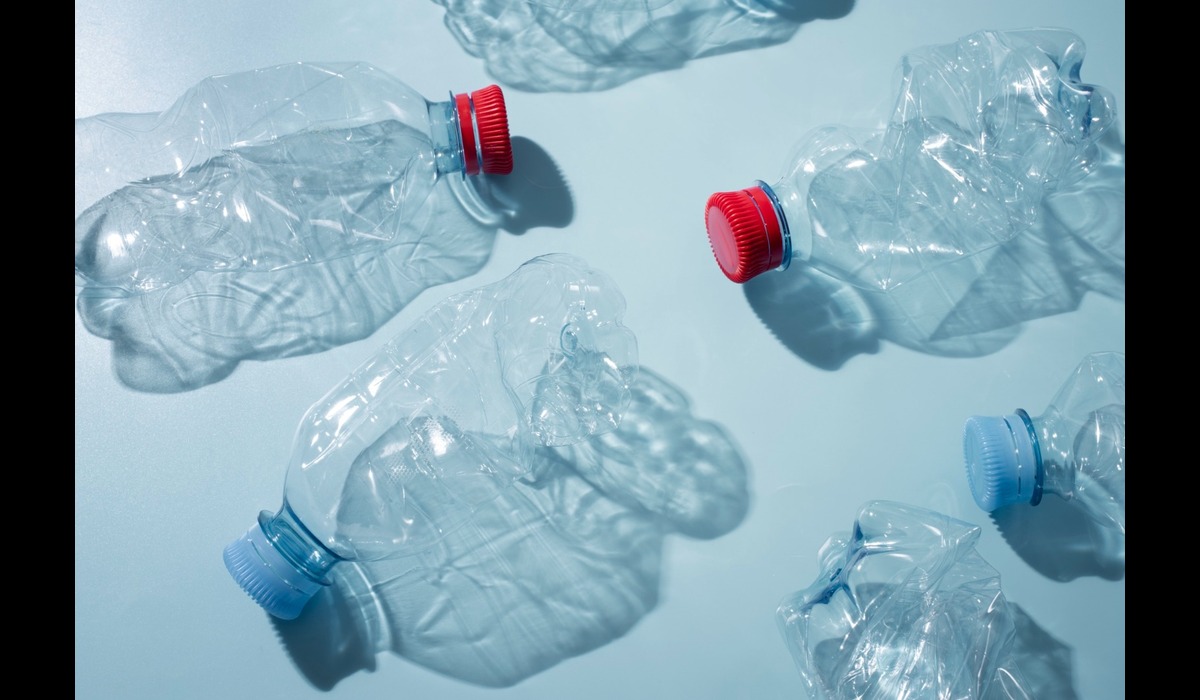
A new study from Pennsylvania State University has successfully converted PET plastic bottle waste into high-quality synthetic graphite that can be used in lithium-ion batteries for electric vehicles, smartphones, laptops, and renewable energy storage.
Currently, the world produces approximately 300 million tonnes of plastic annually, half of which is single-use plastic, with PET bottles being a primary component. Conversely, the demand for graphite is rising rapidly and is expected to quadruple by 2030, as a single electric vehicle unit requires up to 70 kilograms of graphite for its anode.
According to Earth, converting PET plastic into high-quality graphite is extremely difficult. This polymer contains about 33 per cent oxygen, which causes the material to harden into irregular charcoal when heated.
Traditional solutions involving the addition of metal catalysts, such as iron, nickel, or cobalt, are considered less than ideal because they leave impurity residues that require additional chemical cleaning processes to meet battery purity standards.
The Penn State research team converted PET plastic pieces without metal catalysts by mixing them with 2.5 per cent graphene oxide through controlled heating.
Graphene oxide acts as a template that directs carbon atoms to stack neatly, producing graphite crystals with a width of 114 nanometres and a stack height of 27 nanometres, outperforming the metrics of natural graphite.
Avoiding the use of metals is a crucial factor for the industry. Without catalysts, there are no residual iron or nickel traces that need to be cleaned later.
This process is considered capable of cutting costs while reducing the environmental footprint of battery material production. For comparison, producing one tonne of battery-grade graphite through conventional methods typically consumes around 11,000 megajoules of energy and releases approximately five tonnes of carbon dioxide.
Furthermore, this method produces two useful types of carbon simultaneously: graphite carbon for lithium-ion anodes in electric vehicles, and hard carbon for sodium-ion batteries used in cheaper grid energy storage.
Although many developmental stages remain, the direction of the research published in the journal Diamond and Related Materials is clear. Materials usually treated as waste, such as PET plastic, are now beginning to be utilised as raw materials for advanced technology.