
US Withdraws Aircraft Carrier from Asia to Iran, Allies Wary of China
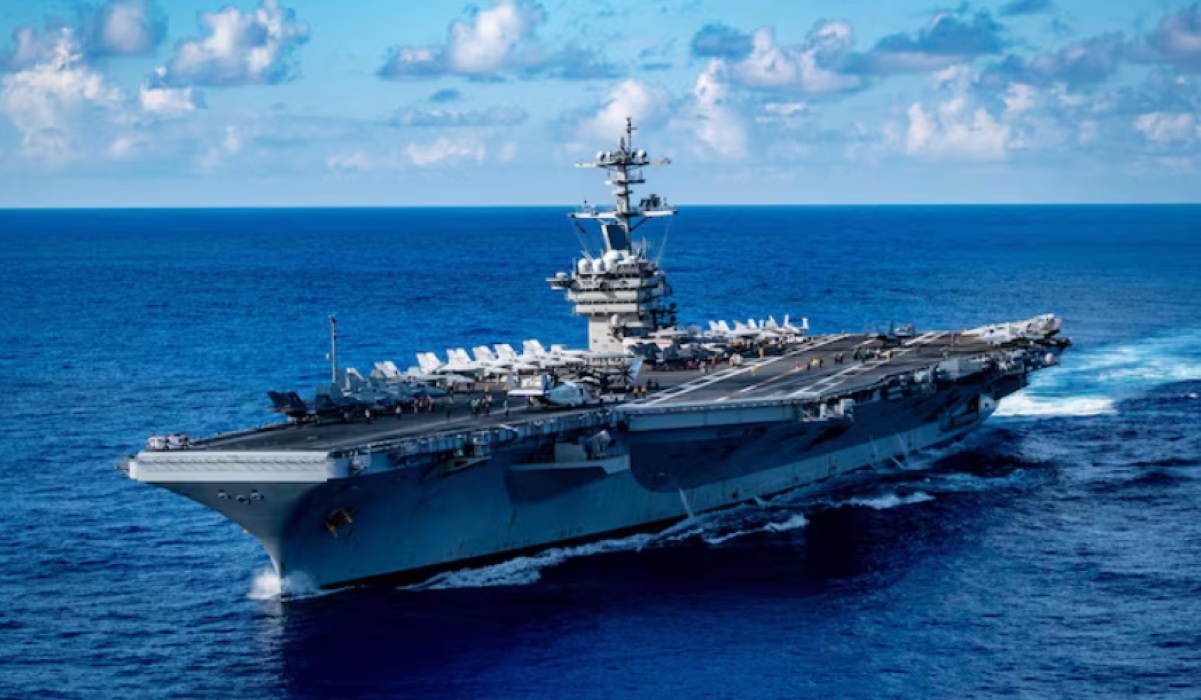
United States allies in Asia are watching with concern as Washington begins withdrawing strategic military assets from the region to meet urgent needs in the Middle East, amid the Israel-Iran conflict now entering its sixth month. The latest flashpoint emerged this week when the US moved its last aircraft carrier in Asia, USS George Washington, from Japan to the Middle East. The carrier is tasked with replacing USS Abraham Lincoln, which has been deployed for nine consecutive months. The redeployment comes amid troubling reports about conditions aboard USS Abraham Lincoln, including food shortages, damaged sanitation facilities, and mental health issues among the crew. This withdrawal adds to a growing list of reductions in US military strength in the Pacific, after the THAAD defence system in South Korea was also moved to the Middle East, along with the depletion of missile and ammunition stockpiles to support the war in the region. William Yang, senior Northeast Asia analyst at the International Crisis Group, believes this trend could erode America’s ability to deter threats from China. ‘If we see this as part of a larger trend, it certainly impacts the overall effectiveness of US-led regional deterrence against China,’ he said. As the US carrier departs the region, China’s fleet is becoming increasingly bold in crossing the First Island Chain. Chinese aircraft carriers Liaoning and Shandong are reported to be moving towards the Western Pacific, breaching the Cold War-era defence line designed to contain Beijing’s influence. Additionally, Chinese coastguard activity in waters east of Taiwan, overlapping with the exclusive economic zones of Japan and the Philippines, has reportedly increased since June. These maritime operations are seen as efforts to test US reaction and response capabilities in the region. Ja Ian Chong, a security expert from the National University of Singapore, noted that although the US still stations around 375,000 military and civilian personnel in the Pacific Command, the carrier withdrawal carries strong symbolic meaning. It reflects a shift in US strategy under the Trump administration, whereby regional allies are expected to take a primary role in their own defence. The US National Defence Strategy 2026 calls for increased burden-sharing with allies to face threats from China, North Korea, Russia, and Iran. Allies in Europe and Asia are being asked to raise military spending to 3.5 percent of GDP by the 2030s. Despite the worrying short-term situation, several experts believe the US will not abandon Asia permanently. Kei Koga from Nanyang Technological University assessed that the deployment of assets to the Middle East is not evidence of a long-term strategic disengagement. Similarly, K Tristan Tang from the National Bureau of Asian Research noted that other important assets, such as Amphibious Ready Groups carrying F-35B fighter jets, remain in the region. He believes that for the Trump administration, economic interests and competition with China remain the top priority above other conflicts.