
US vs Iran in the Strait of Hormuz: Struggle for the World's Energy Lifeline
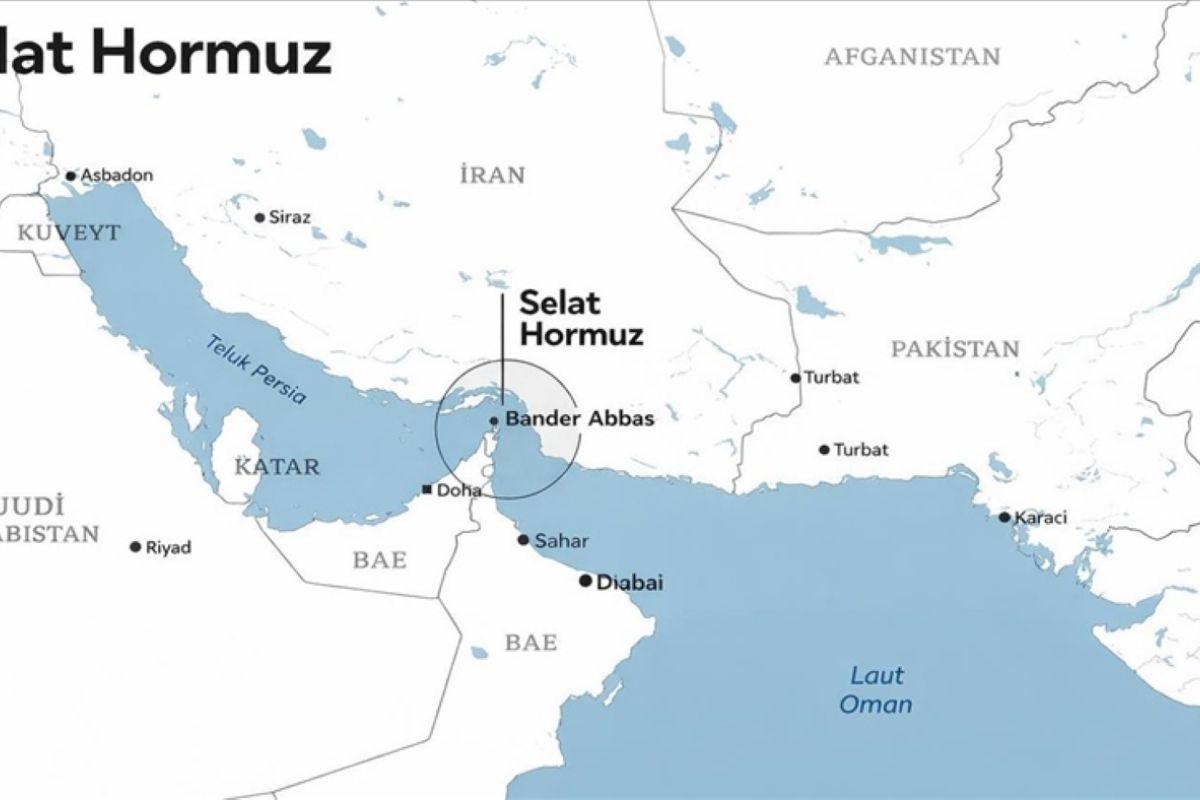
Tensions in the Strait of Hormuz have intensified after the United States imposed maritime restrictions on Iran. This development has renewed focus on issues of control over strategic routes, freedom of navigation, and the stability of international shipping security, which have long been a cornerstone of global energy trade.
Washington’s move came after intensive negotiations with Tehran in Islamabad, Pakistan, in mid-April 2026 ended without agreement. The talks, reportedly lasting dozens of hours, failed to bridge fundamental differences, including those related to nuclear issues and security arrangements in the Strait of Hormuz area.
The policy is understood as part of efforts to pressure Iran economically and in terms of security, while ensuring the smooth passage of international shipping in the region, which is seen as facing increased security risks.
This development also reaffirms the Strait of Hormuz as a sensitive point on the global geopolitical map. On the other hand, this dynamic reflects the competition for influence over the world’s energy routes. The Strait of Hormuz is one of the most vital routes in global oil distribution, with significant volumes of energy trade passing through those narrow waters daily. This situation makes the area highly sensitive to changes in security conditions.
Iran, through the Islamic Revolutionary Guard Corps (IRGC), has reiterated that regulating ship traffic in the area is part of the country’s sovereignty. Iran is also reported to have strengthened surveillance of vessels passing through its waters via patrols and at-sea inspections.
This situation creates a complex environment, where two major powers both claim legitimacy over the management of that strategic route.
In the framework of international law, this dynamic reveals tensions between the use of force and the principle of peaceful dispute resolution, particularly in the context of freedom of navigation in international shipping lanes.
Rejection of Tensions in Hormuz