
US Urges UAE to Seize Iranian Island of Lavan
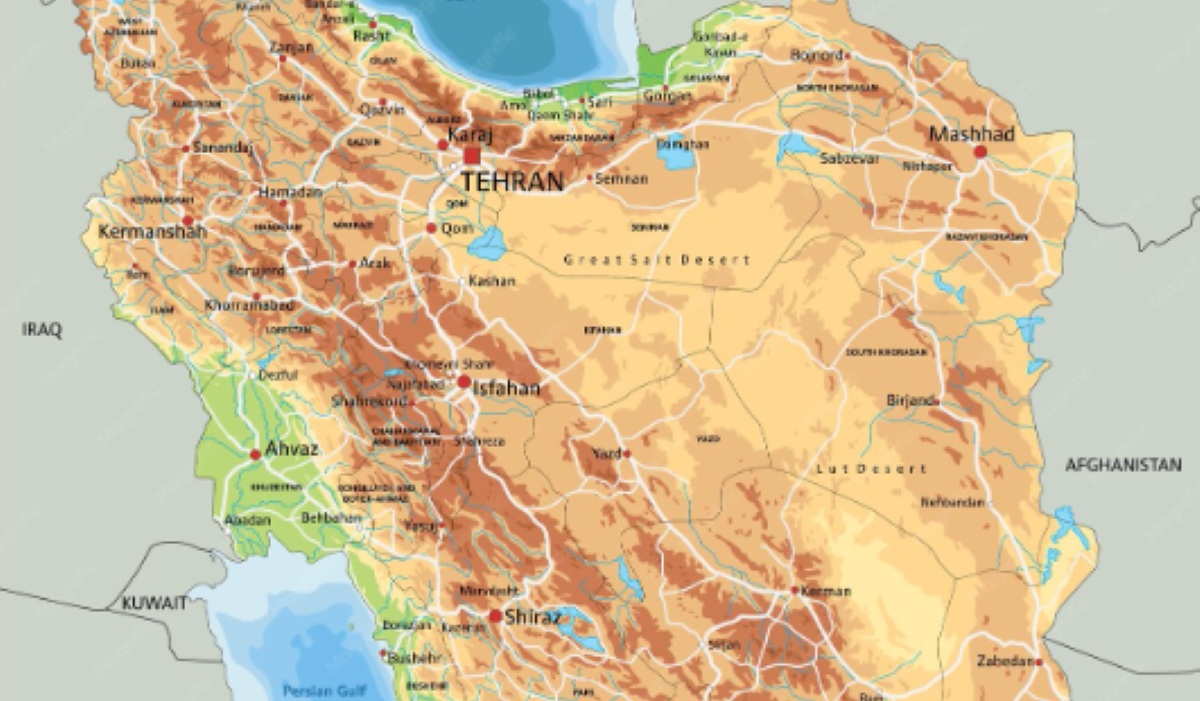
Tensions in the Gulf region are entering a new and critical phase. Officials within Donald Trump’s administration have reportedly been urging the United Arab Emirates to become more involved in the conflict against Iran, including suggesting that it seize one of Tehran’s strategic islands in the Gulf, namely Lavan Island.
According to a report by The Telegraph, this push aims to position UAE troops in the region as a replacement for direct US military presence. “Just take them! It would be Emirati boots on the ground, not American,” said a former senior Trump security official.
Lavan Island, which is the target of this suggestion, was reportedly targeted by a covert air strike by the UAE military in early April. Although Abu Dhabi has not provided official confirmation, intelligence reports indicate that there was significant damage to Iranian oil refinery facilities on the island as a result of the attack.
The UAE’s increasing involvement is being driven by massive attacks from Iran against its territory. Since Israel and the United States began attacking Iran at the end of February, the UAE has faced an onslaught of more than 2,800 missiles and drones from Tehran. Analysts describe this situation as a “9/11 moment” for the UAE, forcing the country to reassess its defense and global alliances.
The war is accelerating a geopolitical realignment in the Middle East. On one hand, the UAE is choosing to double down on its partnership with Washington and Tel Aviv. On the other hand, relations with regional neighbors such as Saudi Arabia are becoming increasingly strained. Instead of uniting against Iran, this war is deepening the divide between Riyadh and Abu Dhabi.
Dr. Burcu Ozcelik, a researcher at the Royal United Services Institute (RUSI), believes that this war is accelerating the US-Israel-UAE alignment. However, she also warns of reputational risks for the UAE in the Arab world due to its deepening military cooperation with Israel.
Iran is not standing idly by as these moves unfold. This week, Tehran officially labeled the UAE as an active partner in this aggression. In response to the accusations, the UAE stated that it rejects all Iranian attempts to justify their attacks and affirmed its sovereign military and diplomatic right to confront any enemy threat.
The situation is further complicated by Israeli Prime Minister Benjamin Netanyahu’s claim of a secret visit to the UAE in March, which reportedly resulted in significant breakthroughs. However, this claim has been denied by Abu Dhabi officials. (I-2)
ADNOC is accelerating the construction of the West-East oil pipeline to Fujairah Port to secure UAE oil exports amid Iran’s blockade of the Strait of Hormuz.
A Pentagon official acknowledged that Iran still poses a threat to the Strait of Hormuz, even though its military has been destroyed. The Epic Fury war has cost US$29 billion.
This acknowledgment sparked heated debate in the international community, given that this couple is often portrayed as a symbol of harmony despite their differences.
The UNITED STATES announced that it had diverted dozens of commercial ships and disabled several vessels as part of the implementation of a blockade against shipping through the Strait of Hormuz.
The Iranian Revolutionary Guard allowed dozens of Chinese ships to pass through the Strait of Hormuz. This move coincided with a meeting between Donald Trump and Xi Jinping.
The WSJ reported that the UAE allegedly launched a secret attack on an Iranian refinery on Lavan Island in retaliation for Tehran’s attacks on its infrastructure.
The Iran-US-Israel conflict has triggered a major oil spill in the Persian Gulf, threatening millions of people with water shortages and the destruction of marine ecosystems.
Copyright @ 2026 Media Group - mediaindonesia. All Rights Reserved