
US to Take Over Russian and Chinese Oil Fields in Venezuela
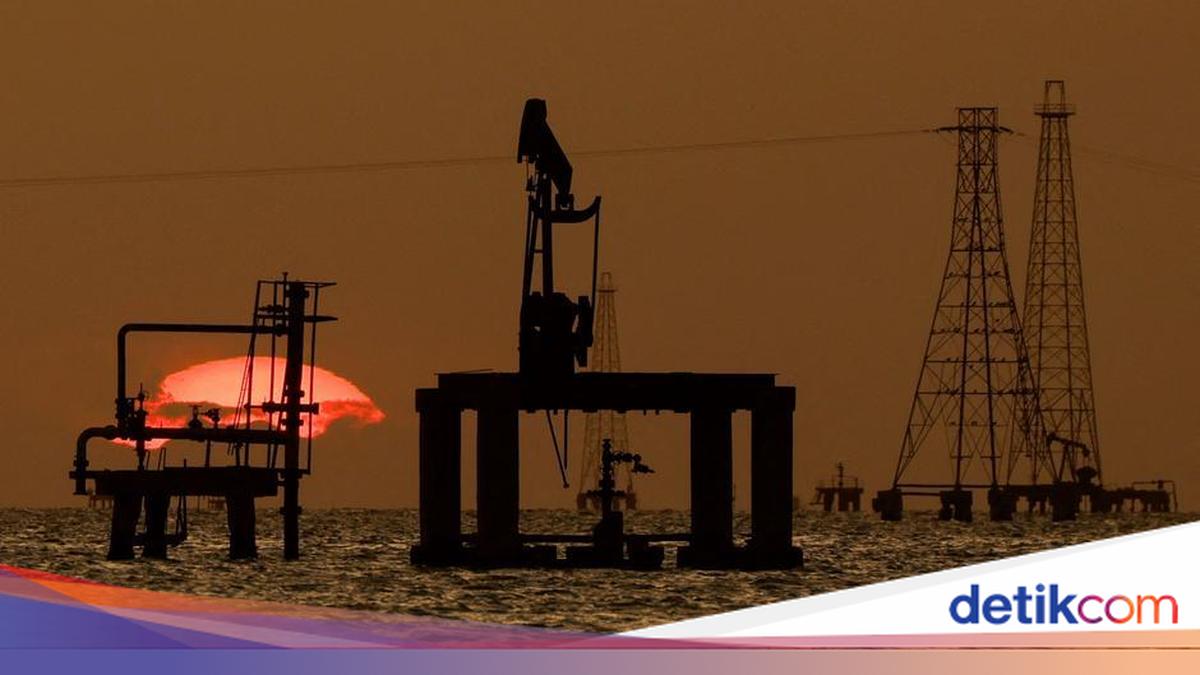
The US oil company, North American Blue Energy Partners (NABEP), will take over a number of oil fields in Venezuela that were previously managed by Chinese and Russian companies. This takeover is part of a large-scale oil production agreement between Washington and Caracas announced by US President Donald Trump.
According to two US officials cited by Reuters, these projects are part of 14 new contracts granted by the Venezuelan government to NABEP. Overall, the company, controlled by Venezuelan businessman Alejandro Betancourt, is expected to manage 17 oil projects in Venezuela.
Five of the 14 new projects were previously operated by Chinese companies, while another was managed by a Russian firm. Two of these projects were previously operated by China Concord Resources, which was hit by US sanctions in 2019 due to its activities in Iran. Other projects were previously managed by Sinopec and China National Petroleum Corp.
A US official stated that the takeover also opens the US market to Venezuelan oil that was previously shipped to China.
Chinese and Russian Fields Shift to NABEP
NABEP will take over 17 Venezuelan oil projects, including five fields previously operated by Chinese companies and one by a Russian company. The company, controlled by Venezuelan businessman Alejandro Betancourt, has secured management rights for 100 years over fields with proven reserves of approximately 65 billion barrels.
The deal grants the US government a 35% stake in NABEP’s parent company, the right to purchase 20% of production at cost, and a right of first refusal on another 80% of production. The US also holds veto power over the NABEP Board, the majority of whose members must be US citizens.
NABEP has stated it will invest up to $100 billion in new oil infrastructure. Betancourt remarked that Venezuela possesses an “abundance of natural resources, a hardworking population, and untapped potential”. He added that the deal would “unlock that potential for the great benefit of the people of Venezuela and America.”
However, Washington still needs to attract major oil companies to increase production. ExxonMobil and ConocoPhillips left Venezuela in 2007 after their assets were nationalised, stating that legal certainty and respect for contracts are necessary to return and invest.
Trump stated that Exxon would enter Venezuela, but ExxonMobil declined to comment. ConocoPhillips said that investment decisions would consider policy stability and adherence to the rule of law.
Alejo Czerwonko from UBS noted that the involvement of major companies is essential. “You need significant investment and expertise from companies like Exxon and ConocoPhillips,” he said. “How do you attract those companies to the country?”
Radhika Bansal from Rystad Energy assessed that uncertainties remain in the deal. “There is still much that is unknown, and there are elements that are confusing,” she said.
Concerns Regarding US Role and Betancourt
The structure of the deal has triggered concerns among several oil companies considering investment in Venezuela. Betancourt, who controls NABEP, was previously investigated by US and European authorities regarding transactions with the Venezuelan government, though he was never charged. He has previously denied such allegations.
“Major oil companies and large foreign firms negotiating the migration of contracts want to ensure they will not be sitting at the same table as Betancourt,” said a source involved in the preparations for the signing of the energy contracts.
A Reuters source also noted that the deal structure could result in US oil companies competing directly with the US government in Venezuela. Nevertheless, Chevron, Eni, ONGC, GeoPark, and GE Vernova are still scheduled to sign energy deals in Venezuela. These agreements are separate from the NABEP deal.
Trump acknowledged that the impact on fuel prices would not be felt immediately. “It may take a little while,” he said, responding to estimates that the recovery of the Venezuelan oil sector could take years.
In Congress, Senator Jack Reed has requested an explanation regarding the legal basis of the deal and rejected the use of the US military to invest in private oil ventures. Meanwhile, Venezuelan Vice President Delcy Rodriguez supported the deal as an opportunity to modernise the oil industry, asserting that Venezuela’s sovereignty remains intact.
Source: jawawa.id (https://jawawa.id/newsitem/us-to-take-over-russian-and-chinese-oil-fields-in-venezuela-1788325383)
Originally published by detikcom (https://news.detik.com/dw/d-8644618/as-ambil-alih-ladang-minyak-rusia-dan-china-di-venezuela), translated from Indonesian