
US to Launch Section 301 Investigation, Indonesia Prepares Its Defence
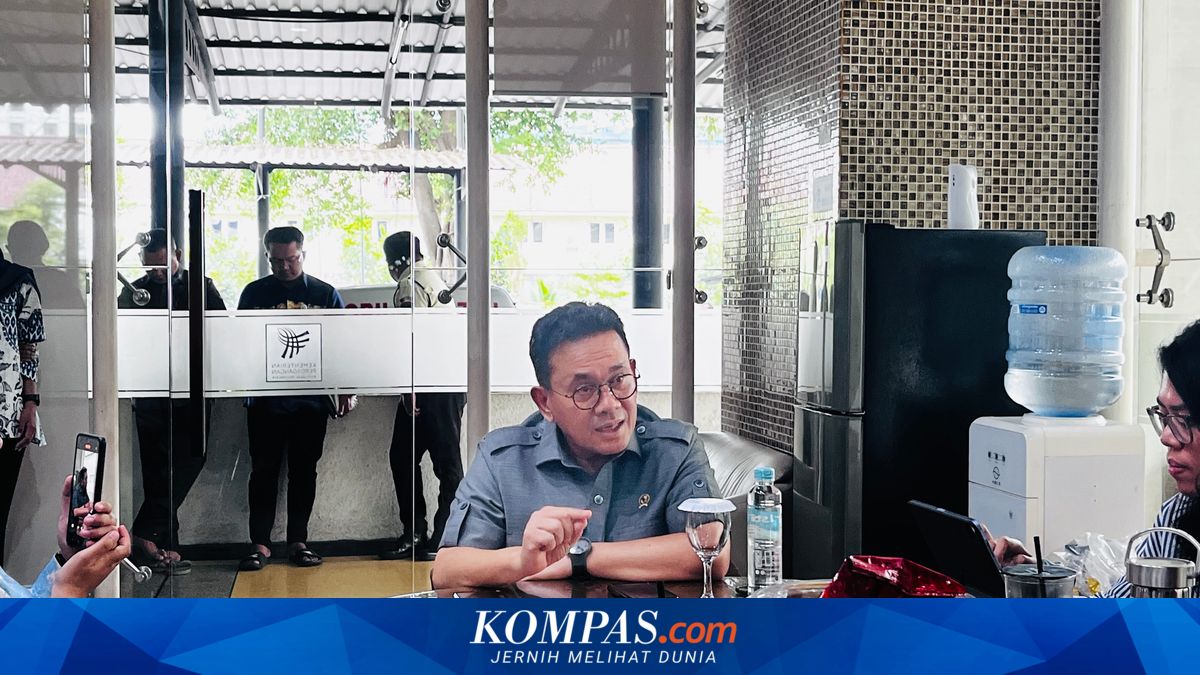
JAKARTA - Trade Minister Budi Santoso, known as Busan, stated that the government has prepared to face the Section 301 investigation conducted by the United States against Indonesia. Section 301 is part of the review of US trade practices and policies with partner countries. Busan said that some time ago, the Coordinating Ministry for Economic Affairs held a coordination meeting with related ministries/institutions and business associations. According to Busan, the Section 301 investigation agenda rolled out some time after the US Supreme Court annulled the reciprocal trade agreement and set a 10 per cent import tariff for 150 days. After that decision was finalised, the US government then stated it would conduct a Section 301 investigation against several countries. “One of them is Indonesia, related to excess manufacturing capacity,” said Busan. “We don’t know yet, but we don’t know for sure,” he added. The National Mandate Party (PAN) politician said that the stages of this investigation are actually similar to trade remedies, which include written submissions and public hearings. However, from a legal basis perspective, the two differ because the Section 301 investigation refers to its own provisions. “That’s what we have to do, how our defence is, and we are now preparing our position,” Busan said. In that agreement, there is a clause regulating trade disputes between Indonesia and the US to be resolved through the Council on Trade and Investment. Nevertheless, Busan stated that the government will follow the Section 301 investigation process as per applicable provisions. “Hopefully there are no problems for us because we already have the rules of the game,” said Busan. The investigation will be conducted by the United States Trade Representative (USTR) on two main issues. The first investigation concerns allegations of practices to maintain or create excess capacity in the manufacturing sector (structural excess capacity). The second investigation concerns the effectiveness of implementing the import ban on goods produced with forced labour.