
US to Celebrate Independence Day Amid Dangerous Heatwave
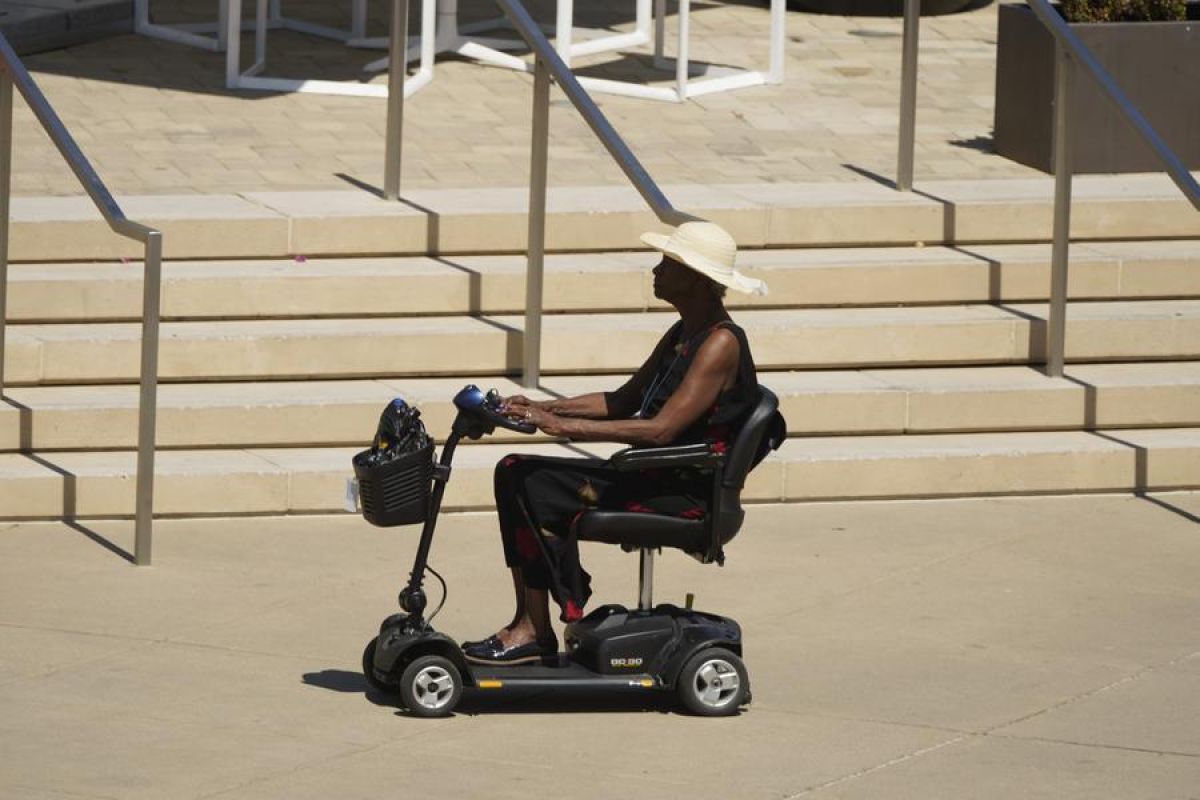
From the Midwest to the East Coast, a dangerous heatwave is spreading across more than half of the United States, raising the risk of record-breaking high temperatures during the Fourth of July weekend, one of the country’s busiest holiday periods.
Local officials are responding by opening cooling centres, adjusting public event schedules, and expanding emergency services as crowds gather for fireworks displays, festivals, and Independence Day celebrations. Nearly 160 million Americans are affected by the sweltering heat dome impacting 30 states through the weekend, according to the National Weather Service (NWS).
The heatwave is caused by a heat dome, a high-pressure system that traps hot air over a region for several days. High humidity levels also increase health risks by making it harder for the body to cool itself through sweating.
In New York City, officials have opened outdoor misting stations and deployed mobile cooling vehicles to provide water, sunscreen, and health check services. “This is very dangerous conditions,” Mayor Zohran Mamdani said at a press briefing. Temperatures in the city are expected to exceed 100 degrees Fahrenheit (37.78 degrees Celsius) on Thursday and Friday, with the heat index anticipated to reach even higher levels. According to city data, extreme heat causes an average of about 500 premature deaths in New York City each summer.
Extreme heat in Philadelphia forced celebrations for Pope Leo XIV at the National Constitution Center scheduled for Friday to be moved indoors. Philadelphia also reduced operating hours for a World Cup fan festival ahead of Saturday’s match between Paraguay and France.
Washington D.C. issued an extreme heat warning through Sunday, as hundreds of thousands of visitors are expected to attend various Independence Day events in the nation’s capital. Temperatures on Saturday are forecast to reach 101 degrees Fahrenheit (38.33 degrees Celsius), surpassing the date’s previous record of 100 degrees Fahrenheit set in 1919.
Many other areas, including Boston, Massachusetts, and Raleigh, North Carolina, are also opening cooling centres and expanding public health resources.
The heatwave comes as the western U.S. also faces an increased risk of wildfires. Dry conditions and strong winds have already sparked fires in Utah and southern Colorado. Approximately 2 million people were under fire warnings on Monday in the Four Corners region, which includes Arizona, Colorado, New Mexico, and Utah, as well as parts of Wyoming, South Dakota, and Nebraska, NBC News reported. Dozens of large fires are still burning across the U.S., scorching more than 580,000 acres (about 234,700 hectares) of land, according to the National Interagency Coordination Center.