
US Tariffs on Indonesia Lower Than on Vietnam: Could Indonesia Benefit More?
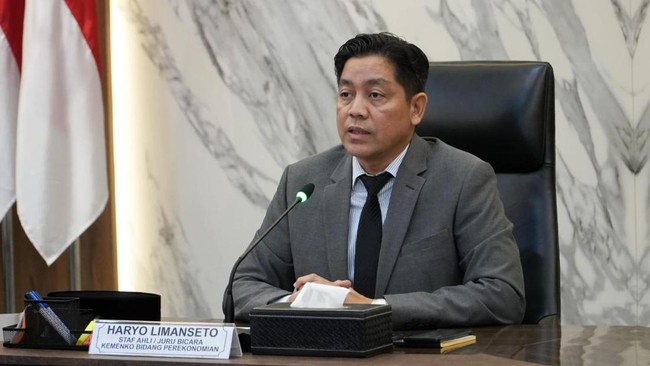
Jakarta, CNBC Indonesia — The Coordinating Ministry for Economic Affairs has commented on a proposal to impose additional tariffs of up to 18% on all products from Indonesia. The proposal is part of trade action under a Section 301 investigation into structural excess capacity in the manufacturing sector.
The proposed new tariff on Indonesia is still lower than those proposed for Vietnam and Singapore. The Office of the United States Trade Representative (USTR) has proposed tariffs of up to 35% for Vietnam and 20% for Singapore.
Haryo Limanseto, a spokesperson for the Coordinating Ministry for Economic Affairs, said the substantial difference in tariff rates compared with competing countries offered a comparative advantage and strategic opportunity for Indonesia’s manufacturing industry. This applied particularly to textiles and textile products, footwear, metal products and renewable energy components.
“[This comparative advantage and strategic opportunity could help] expand market share and attract the relocation of global supply chains to Indonesia,” Haryo said in a written statement on Thursday (26 November 2026).
The Indonesian Government views the USTR’s announcement as part of an ongoing open consultation process, which is due to include a public hearing in January 2027.
Haryo said the relevant ministries and agencies would coordinate with businesses and industry associations to take an active part in the public comment process. The aim is to optimise the list of product exemptions and ensure that bilateral trade between Indonesia and the United States continues to grow on a fair and mutually beneficial basis.
The latest US announcement follows an investigation into 14 countries and economic areas that are considered to have created excess global industrial production capacity, to the detriment of the United States. The action is being pursued under Section 301 of the US Trade Act of 1974, which authorises the government to investigate other countries’ trade practices when they are deemed unfair or harmful to US trade interests.
“For decades, many of our trading partners have adopted industrial strategies focused on manufacturing, wage and labour suppression, financial and other forms of support, the use of inputs from non-market economies, and various other market-distorting practices,” USTR representative Jamieson Greer said in the general announcement, as quoted by CNBC Indonesia.
Source: jawawa.id (https://jawawa.id/newsitem/us-tariffs-on-indonesia-lower-than-on-vietnam-could-indonesia-benefit-more-1795675896)
Originally published by CNBC Indonesia (https://www.cnbcindonesia.com/news/20261126130758-4-788712/tarif-as-ke-ri-lebih-rendah-dari-vietnam-kita-bisa-lebih-untung), translated from Indonesian