
US Tariffs Could Reach 18%, Indonesia Continues Push for Textile and Furniture Exemptions
The Indonesian government estimates that import tariffs imposed by the United States on products from Indonesia could potentially reach 18% after the current temporary tariff period ends on 24 July 2026. Despite this, the government is still working to secure exemptions for several flagship commodities through ongoing negotiations.
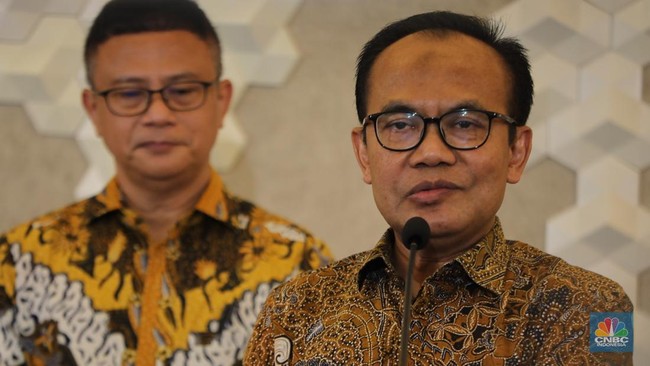
The Secretary of the Coordinating Ministry for Economic Affairs, Susiwijontono Moegiarso, stated that Indonesia’s current position is relatively better compared to most other nations subject to US trade investigations under Section 301. Out of 60 countries investigated regarding issues of excess production capacity and allegations of forced labour, Indonesia is among the group deemed to have met the requirements set by the US government.
‘Alhamdulillah, we have entered the good group. Out of the 60 countries being investigated, 6 are considered to be in compliance with issues regarding forced labour and excess capacity. We have been asked to provide responses to previous reports, a process that continues until 24 July,’ Susiwijontono said during an interview at the Ministry of Trade in Jakarta on Monday.
Currently, Indonesian products are subject to a temporary tariff of 10%. This scheme remains in effect until 24 July, before being replaced by a new tariff policy being finalised by the US government. Susiwijontono explained that the tariff rates previously mentioned in reports from the Office of the United States Trade Representative (USTR) are not yet final, providing Indonesia with room to submit responses and lobby before an official decision is issued.
Amidst this process, the government is focusing on fighting for tariff exemptions for several of Indonesia’s mainstay export products. While commodities such as palm oil and coffee are already included in the exemption list being discussed with the US, the government is also striving to ensure that other high-contribution products, such as textiles, footwear, and furniture, receive similar treatment.
‘We are also working to ensure several other commodity groups are exempted. This is currently being negotiated. While palm oil, coffee, and others are already included in the exemptions, we are still discussing textiles, footwear, furniture, and several other product groups,’ he explained.
He noted that securing exemptions for primary commodities is far more critical than debating the general tariff rate applied to Indonesia. ‘The most important thing, besides the general rate potentially reaching 18%, is fighting for the goods we actually export to receive exemptions. This will be much more valuable for our exports,’ Susiwijontono added.
As part of the negotiations, Indonesia is preparing evidence and policies demonstrating the government’s commitment to preventing forced labour practices within trade supply chains. This includes the issuance of Ministry of Trade Regulations (Permendag) that prohibit the import of goods suspected of using forced labour practices. Susiwijontono stated that inter-ministerial teams are maintaining intensive communication with US authorities to explain the steps taken by the Indonesian government.