
US tariff uncertainty could curb Indonesian manufacturing investment
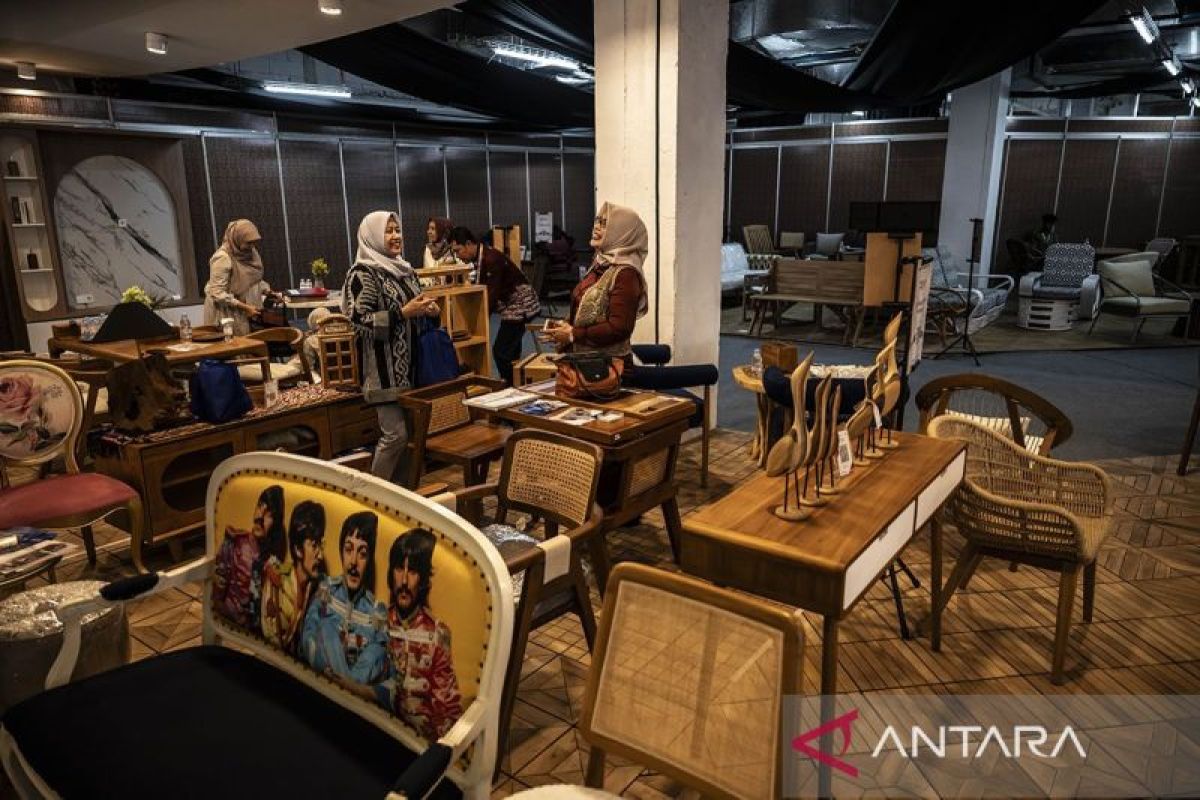
Uncertainty over United States tariff policy is seen as potentially holding back investment expansion in Indonesia’s manufacturing sector, as businesses await clarity on the final tariff rates that will apply.
Yusuf Rendy Manilet, an economist at the Center of Reform on Economics (CORE) Indonesia, said the main challenge facing the business community is not just the size of the tariffs, but the policy uncertainty that is causing companies to delay various business decisions.
According to Yusuf, as long as the tariff-setting process fails to provide certainty, businesses will struggle to calculate the cost structure for exports to the US market. This situation is causing companies to take a wait-and-see approach before expanding their operations.
“The bigger impact is actually on investment. Companies are holding back on capacity expansion, machinery purchases, and even hiring because they are worried the cost structure will change once the final tariffs are set,” Yusuf said.
He added that foreign investors who use Indonesia as a production base to supply the US market are also likely to be more cautious in making investment decisions, as changes in tariffs could affect their cost calculations and business viability.
Indonesia is among 17 countries subject to an additional 10 percent tariff by the US starting Friday (24/7/2026), as part of a new tariff policy towards several trading partners. The policy was established based on a Section 301 investigation under the Trade Act of 1974 into 60 countries and regions concerning various trade issues, including provisions on imports of goods produced using forced labour.
Meanwhile, further evaluation of US trade policy is still ongoing and could affect the final tariff rates that Indonesian exporters will have to bear.
In the short term, Yusuf said, the impact of tariff uncertainty can be seen in order postponements and adjustments to export volumes. US importers are expected to wait for tariff certainty before entering into new contracts with Indonesian exporters.
Yusuf noted that labour-intensive manufacturing sectors are the most vulnerable, particularly textiles, garments, footwear, and furniture, which are highly dependent on the US market. When orders are delayed, company margins can come under pressure, production capacity may be reduced, and labour absorption will slow down. The impact could also ripple through the domestic supply chain, which involves many micro, small, and medium enterprises.
Meanwhile, some subsectors such as electronics and consumer goods are considered to face relatively lower risk because their export destinations are more diversified.
Coordinating Ministry for Economic Affairs spokesperson Haryo Limanseto said the government is continuing consultations with the Office of the United States Trade Representative (USTR) to secure more competitive tariffs for Indonesia.
“The Indonesian government notes the USTR’s acknowledgement that Indonesia is one of the countries that is actively committed and has a regulatory framework to prevent and eradicate forced labour practices in the global supply chain,” Haryo said in Jakarta on Friday (24/7/2026). He explained that Indonesia has also participated actively in the investigation process through written submissions, attendance at public hearings, and intergovernmental consultations.