
US Supreme Court Allows Trump to Deport Immigrants to Third Countries
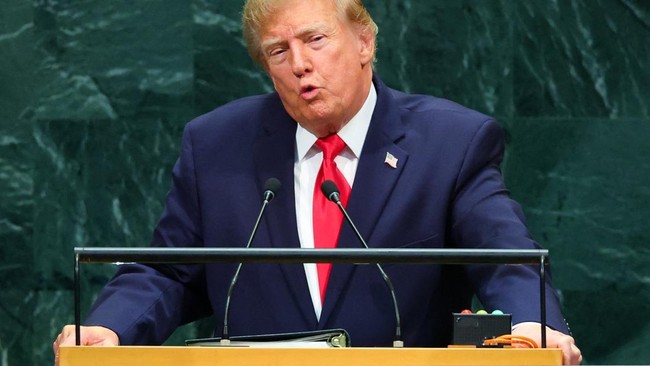
The administration of US President Donald Trump has once again been given the green light to accelerate the deportation of migrants to countries other than their nations of origin.
The US Supreme Court (SCOTUS) on Tuesday (2/29/2026) local time permitted this policy to be reinstated without first providing migrants the opportunity to explain the risks or dangers they might face in the destination country. This decision reinforces one of the primary instruments of the Trump administration in executing its mass deportation policy. The Supreme Court also agreed to hear the case this coming December, before issuing a final ruling on the legality of the policy.
The ruling follows an emergency application by the US Department of Justice requesting the court to stay the decision of US District Judge Brian Murphy based in Boston. Murphy had previously stated that the Department of Homeland Security (DHS) policy to send migrants to so-called “third countries” violated the law.
The US Supreme Court currently consists of six conservative judges and three liberal judges. The three liberal judges dissented from the decision that allows deportations to third countries to resume while legal proceedings are ongoing.
The case originated from a public lawsuit filed by immigrant rights groups on behalf of migrants. They sought to prevent the US government from sending individuals to third countries without notice and the opportunity to voice concerns regarding potential threats.
According to human rights group estimates, more than 25,000 migrants have been deported to 29 countries under the policy implemented since last year, with the majority being sent to Mexico.
This policy is part of a series of measures by the Trump administration to achieve mass deportation targets. Since returning to the White House last year, Trump has made tightening immigration one of his administration’s top priorities.
In practice, the US administration has sent migrants to several countries with unstable security situations, including South Sudan. The US State Department itself has advised Americans to avoid travel to that country due to risks of crime, kidnapping, and armed conflict.
In addition to South Sudan, deportations have also been carried out to Uganda, Equatorial Guinea, Liberia, the Central African Republic, and several other nations.
DHS General Counsel James Percival welcomed the Supreme Court’s decision. “A bad day for illegal immigrants who commit crimes and for open-border activists,” Percival wrote on social media.
However, attorney for the plaintiffs, Trina Realmuto of the National Immigration Litigation Alliance, condemned the ruling. She stated that the policy risks sending migrants to countries where they face persecution or torture.
“The court has allowed this administration to resume sending people to third countries where they face persecution or torture. It is a devastating outcome for people who may be placed on planes before they receive notice or have the chance to present their claims of fear,” said Realmuto, as reported by Reuters.
Last February, Judge Murphy ruled that the policy contravened immigration legal procedures and the protections of due process guaranteed by the Fifth Amendment of the US Constitution. Due process generally requires the government to provide notice and an opportunity for an individual to be heard before any adverse action is taken.
The Supreme Court has previously granted several legal victories to the Trump administration in cases related to immigration policy. In this instance, the court had previously stayed Murphy’s initial order that halted deportations to third countries.
In another related case, the Supreme Court subsequently lifted several restrictions imposed by Murphy intended to protect a group of men from being sent to South Sudan.
The latest case began in 2025, when the DHS increased deportation efforts against migrants who could not be returned to any country listed in their deportation orders.
The policy allows migrants to be rapidly deported to a third country without notice if the destination country has provided credible diplomatic assurances that they will not subject the individuals to persecution or torture.
For countries that have not yet provided such assurances, migrants will be notified of their destination. However, US authorities will only assess the possibility of persecution or torture if the migrants themselves proactively present their concerns.
In its emergency filing to the Supreme Court, the US Department of Justice described deportation to third countries as “an essential tool for removing certain aliens, including some aliens who commit the most serious crimes.”
However, Murphy and critics of the government policy argue that the rule does not only target criminals. The policy could also impact migrants who previously obtained legal protection to prevent them from being returned to their home countries.
In court documents, the plaintiffs stated that the policy has caused a number of deportees to be illegally moved by third countries back to their countries of origin, despite the US previously providing them protection from such returns. Others are reported to have experienced beatings, sexual violence, detention, or even disappearance.
Source: jawawa.id (https://jawawa.id/newsitem/us-supreme-court-allows-trump-to-deport-immigrants-to-third-countries-1790725945)
Originally published by CNBC Indonesia (https://www.cnbcindonesia.com/news/20260930055502-4-771956/tok-mahkamah-agung-izinkan-trump-deportasi-imigran-ke-negara-ketiga), translated from Indonesian