
US Suddenly Softens on Talks with Iran, Here Are Its New Conditions
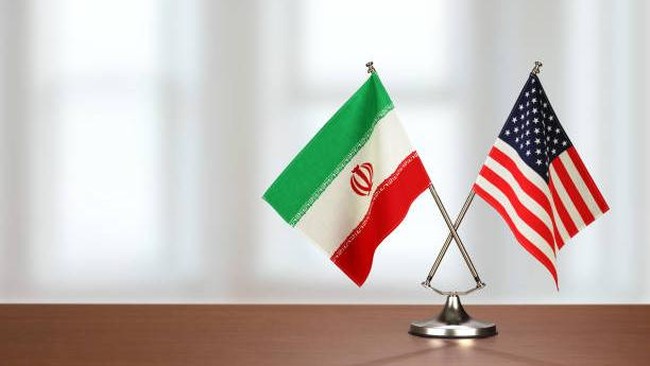
Jakarta, CNBC Indonesia – The United States has begun to open the door to compromise in its negotiations with Iran. Vice President JD Vance is now only demanding that Tehran significantly cut its uranium enrichment capacity, rather than explicitly halting all enrichment activity.
Vance said Iran must demonstrate its commitment not to develop nuclear weapons by changing its enrichment programme.
“If you don’t want nuclear weapons, why do you need fuel enriched to 60%?” he told Reuters, as reported on Thursday (8 October 2026).
According to Vance, the US is currently in contact with Iranian President Masoud Pezeshkian and Foreign Minister Abbas Araghchi. However, he acknowledged that it is not yet fully clear how decision-making works within the Iranian government.
This position comes amid harsh statements from other senior US officials. Secretary of State Marco Rubio stressed, “Iran cannot have nuclear weapons; it’s simple, period, end of story,” while accusing Tehran of missing several opportunities to reach an agreement.
Iran itself remains doubtful about Washington’s seriousness in negotiating. Pezeshkian has even described negotiations with the US as “futile”, alleging that every diplomatic process is followed by attacks on Iran.
“Every time we sit at the negotiating table, war is immediately forced upon us,” he said.
Nevertheless, Araghchi signalled that the diplomatic path has not closed. At a meeting with foreign ambassadors in Tehran on 4 October, he said the conflict could only be ended through “negotiations grounded in justice and equality”.
Differing interests mean the road to an agreement remains long. Simon Mabon, Professor of International Relations at Lancaster University, told Al Jazeera that Iran wants not only a nuclear deal, but also the lifting of sanctions, the release of frozen assets, an end to the US naval blockade and an end to the conflict across the region.
Iran’s earlier proposal included a halt to fighting on all fronts, the lifting of the US naval blockade and oil sanctions, and the release of frozen Iranian assets. The Strait of Hormuz would then be reopened within seven days, before negotiations on the nuclear programme resume.
Mabon believes Washington’s changed tone on uranium enrichment may indicate room for compromise. However, the security of the Strait of Hormuz remains a problem, as attacks on vessels continue, even though Gulf oil flows outside Iran have recovered to more than 81% of pre-war levels in September.