
US Strikes on Iran Send Oil Prices Soaring to $96
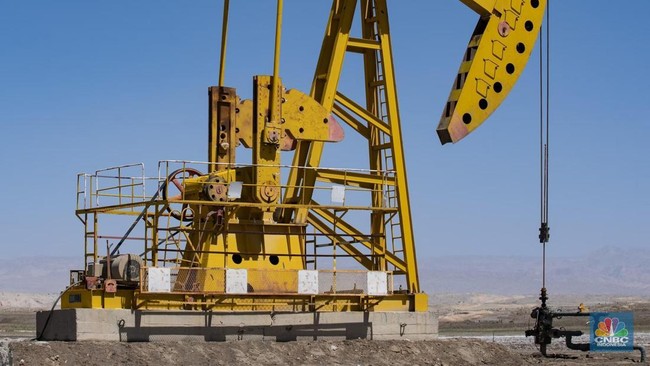
JAKARTA, CNBC Indonesia – Global oil prices surged on Thursday (28 May 2026) following recent US strikes on Iran, sparking concerns over disruptions to commercial shipping through the Strait of Hormuz.
According to CNBC trading data, Brent crude rose approximately 2% to US$96.28 per barrel at 8:42am US time. West Texas Intermediate (WTI) crude also gained around 2% to US$90.75 per barrel.
Iran’s Islamic Revolutionary Guard Corps (IRGC) stated it targeted a US airbase around 4:50am local time, though it did not specify the location. This came after US military launched strikes on Iranian facilities believed to threaten US forces and commercial shipping lanes in the Strait of Hormuz. US officials also reported intercepting and shooting down several Iranian drones.
Despite the recent rise, oil prices had previously fallen over 10% since 18 May 2026, following US President Donald Trump’s decision to delay large-scale military action against Iran to allow for negotiations.
US Secretary of State Marco Rubio said talks with Iran had shown progress, stressing Trump prioritised diplomacy and would give negotiations full opportunity to succeed.
The US and Iran remain deadlocked over Strait of Hormuz management despite a fragile ceasefire agreed in April. Iranian state television claimed Tehran had reached a draft agreement with the US to reopen commercial shipping lanes in Hormuz, but the White House denied the report, calling it fabricated. Trump also reiterated no party would control the Strait of Hormuz.
Former senior energy adviser to US President Joe Biden, Amos Hochstein, said many Middle Eastern leaders believe Iran effectively controls the Strait of Hormuz, a perception likely to persist regardless of ongoing negotiations.
Meanwhile, Citigroup noted oil markets are finding greater stability as investors ease fears of worst-case supply disruptions. However, uncertainty over the timing of a deal keeps global central banks wary of energy price-driven inflation risks. Citi also warned that sustained oil price increases could lead to broader inflationary pressures, potentially prompting central banks to adopt tighter monetary policies.