
US strikes Iranian vessels and missile launch sites
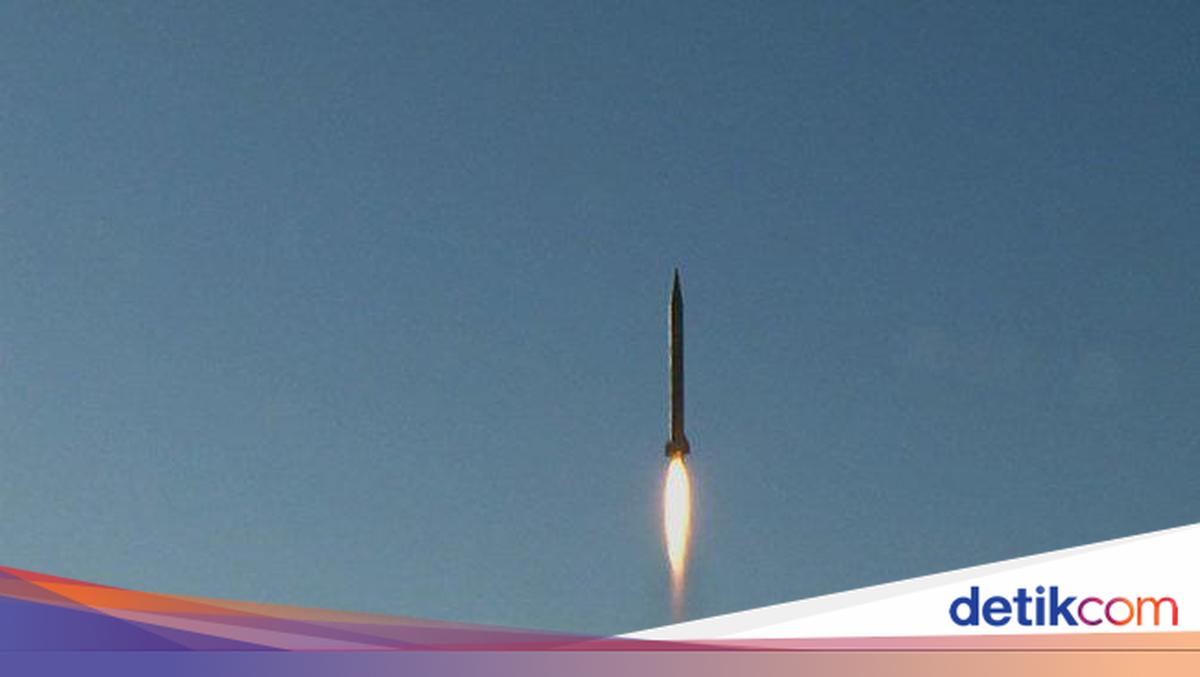
US forces have reportedly launched strikes against Iran, targeting Iranian vessels and missile launch sites. The strikes took place in southern Iran on Tuesday (26 May 2026), according to detikNews. A US television station reported that the military claimed the action was self-defence.
A spokesperson for the US Central Military Command, Tim Hawkins, stated: “US forces conducted self-defensive actionstoday to protect our troops from threats posed by Iranian forces,” as reported by Fox News. Hawkins detailed that the strikes targeted missile launch sites and Iranian vessels attempting to lay mines. “CENTCOM continues to protect our forces while maintaining restraint during the ongoing ceasefire,” he added.
Meanwhile, explosions were reported in Bandar Abbas, a southern Iranian port city. semi-official news agency Mehr stated the situation was under control.
Previously, the US and Iran were reportedly close to finalising a ceasefire agreement to extend the truce and reopen the Strait of Hormuz, which would allow Tehran to resume oil sales and open negotiations on its nuclear program. A US official familiar with the draft details stated the agreement had not yet been finalised, with potential for failure before signing. Axios reported the deal would extend the ceasefire for 60 days and reopen the Strait, which Iran closed since late February.
Under the draft, Iran would clear mines from the Strait and allow free passage without tolls. In return, the US would lift its blockade on Iranian ports and impose limited sanctions exceptions to permit oil sales for 60 days. The draft also included Iranian commitments to pursue no nuclear weapons and negotiate uranium enrichment suspensions, including moving high-enriched uranium supplies. Broader sanctions relief and frozen assets would be discussed during the ceasefire, but only implemented in a final verified agreement.
US forces in the region would remain deployed during the extended ceasefire, only withdrawn upon a final agreement. The deal also reportedly aims to end the Israel-Hezbollah conflict in Lebanon, with Israel allowed to act if Hezbollah re arms or attacks. Several Arab and Muslim leaders, including from Saudi Arabia, Qatar, Egypt, Turkey, Pakistan, and the UAE, supported the diplomatic effort.