
US Strikes Iran for Second Time in a Week, Downing Four Drones
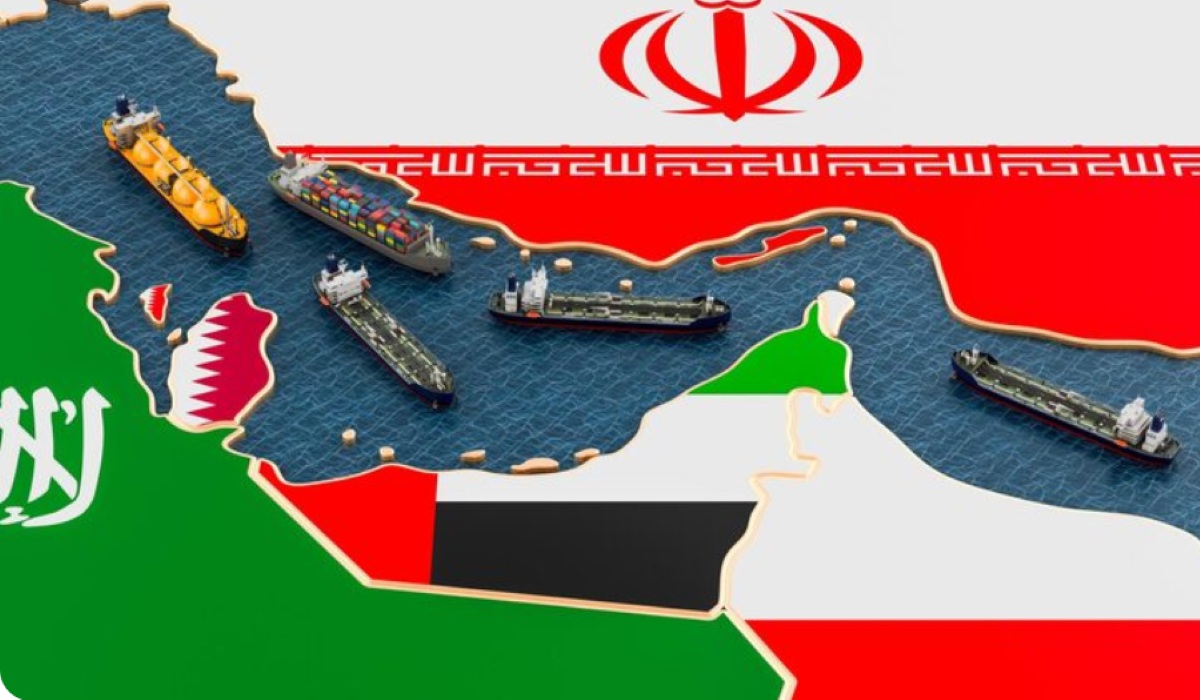
Tensions in the Middle East have escalated again as US forces launched a second attack on Iranian military targets within a week. The incident occurred amid fragile ceasefire agreements and diplomatic efforts to restore disrupted global energy flows due to the Strait of Hormuz conflict.
US military officials confirmed their forces shot down four Iranian drones targeting commercial vessels and destroyed missile launchers near the Strait of Hormuz. Although the US described the strikes as defensive, Iran retaliated by targeting US bases, according to state-run Press TV.
Meanwhile, Kuwait activated its air defence systems to intercept hostile targets threatening its territory. The series of incidents underscores the difficulty in achieving lasting peace in the region.
The effective closure of the Strait of Hormuz since late February has cut global crude oil and liquefied natural gas (LNG) supplies by around one-fifth, triggering inflation that threatens global economic growth.
On Thursday (28 May), Brent crude oil prices surged 4% to $98.20 per barrel. Although lower than last month’s peak of $126, current prices remain a third higher than pre-war levels. European natural gas futures have also risen by 50%.
Despite reports of progress in talks mediated by Pakistan and Qatar, a final agreement remains elusive, with several critical issues hindering negotiations:
The US Treasury has taken action against Iran’s Persian Gulf Authority, accusing it of extorting passing ships. Iran reportedly introduced new rules requiring sailors to pay up to $2 million (£1.6m) or approximately Rp34 billion for safe passage.
The situation on the ground remains tense. Besides the drone incident, US forces reportedly killed Iranian soldiers allegedly laying mines near the strait on Monday night. Meanwhile, escalating Israeli attacks in Lebanon complicate diplomatic efforts between Washington and Tehran for a short-term peace deal.
US and Iranian negotiators reached a 60-day memorandum of understanding to extend the ceasefire and discuss nuclear programmes, pending Donald Trump’s approval.
Iran claimed to have used its new Arash-e Kamangir air defence system to down a US MQ-9 Reaper drone in the Strait of Hormuz, demonstrating military resilience.
Global oil prices rose 2.5% as world stock markets weakened following US-Iran exchanges, threatening global economic stability and the Strait of Hormuz’s security.
Ayatollah Mojtaba Khamenei accused the US and Israel of attempting to divide Iran in response to military setbacks in a recent written statement.
US-Iran tensions have peaked following mutual attacks in Bandar Abbas and Kuwait’s involvement, endangering peace talks and the stability of the Strait of Hormuz.
Global oil prices plummeted 5.9% following signals of a US-Iran peace deal.
The conflict in Iran has triggered the largest oil supply disruption in modern history.
Brent crude oil prices soared to $110.87 per barrel.
The rupiah breached Rp17,600 per US dollar. Unair experts stated that Bank Indonesia’s intervention is insufficient, requiring fiscal and real sector synergy for fundamental stability.
Indian Prime Minister Narendra Modi urged citizens to work from home and reduce overseas travel due to soaring global oil prices caused by the Iran conflict.