
US Strikes Iran for Second Consecutive Day, Peace Talks Threatened with Collapse
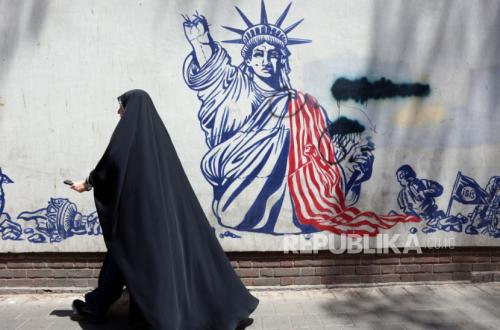
TEHRAN — A second, larger wave of American air strikes has hit Iran within the space of two days, threatening to derail fragile peace negotiations between the two countries.
The United States launched strikes on several sites in Tehran, the Iranian capital, in the early hours of Thursday, only hours after hitting several cities in the country’s south on Wednesday. At least 14 people have been killed in the two days of attacks, including at least one member of the Islamic Revolutionary Guard Corps (IRGC).
In response, Iran attacked American military assets and infrastructure in several Gulf states.
The latest escalation follows Iran’s earlier attacks on commercial vessels in the Strait of Hormuz at the start of the week. Tensions rose as the US strikes coincided with the funeral procession of Iran’s Supreme Leader, Ayatollah Ali Khamenei, who was reported to have been killed in a combined US-Israeli air strike in February.
US President Donald Trump, speaking at the NATO summit in Ankara, Turkey, on Wednesday, declared that the memorandum of understanding (MoU) with Iran was “essentially over”. However, he also left open the possibility that peace talks could continue, leaving the future of the negotiation process uncertain.
Trump insisted the latest strikes would not escalate into a long-term military operation. Even so, many observers fear the two countries will continue to step up military actions that could drag the wider Middle East into a broader conflict.
“Iran desperately wants a deal,” Trump said following the strikes, though a number of analysts doubt the claim.
US Central Command (CENTCOM) said it had struck roughly 90 military targets in Iran on Thursday. According to CENTCOM, the operation was intended to weaken Iran’s ability to attack merchant shipping in the Strait of Hormuz.
A day earlier, the US military also claimed to have hit around 80 Iranian military targets in response to attacks on three commercial vessels transiting the Strait of Hormuz.
Washington has also revoked sanctions exemptions for Iranian oil exports that had previously formed part of the two countries’ memorandum of understanding.