
US Strikes Iran for 10 Consecutive Nights, Tehran Declares Readiness for Open War
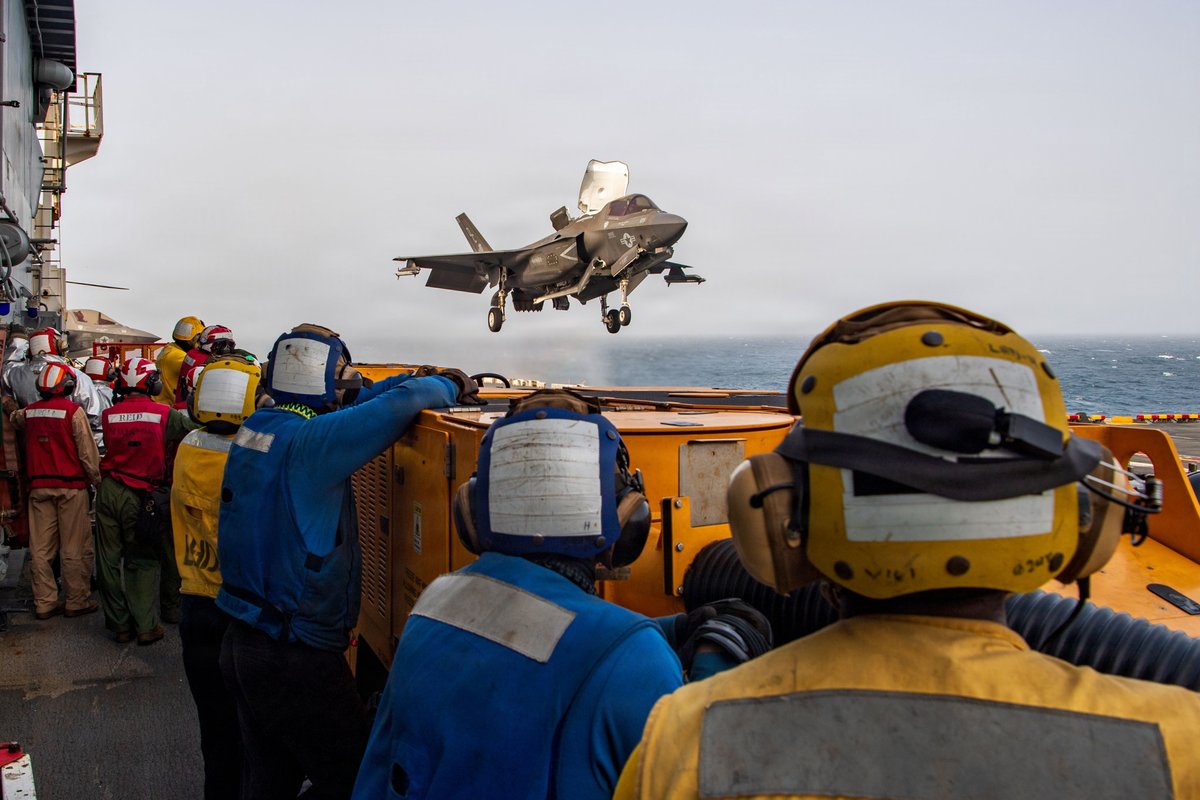
The United States military has launched another wave of air strikes against Iranian territory for the tenth consecutive night. The move is intended to weaken Tehran’s ability to attack commercial vessels in the strategic Strait of Hormuz.
US Central Command (Centcom) confirmed via the platform X that the latest targets included military command centres, maritime facilities, missile and drone launchers, and Iranian air defence systems. Despite the escalation, Centcom said commercial vessels were continuing to transit the Strait of Hormuz.
The intensive campaign of strikes is retaliation for the deaths of American soldiers. President Donald Trump had previously vowed to punish Iran proportionately, stating that Iran had been hit “very hard” as a “tribute” to the three US soldiers recently killed — two in Jordan and one in Iraq.
The US Department of Defence confirmed the identities of two soldiers killed in the Iranian attack on the Muwaffaq Salti base in Jordan: Private First Class Isabella Gonzales, 19, from Texas, and Lieutenant Tyler James Feehan, 25, from Hawaii. Meanwhile, the body of the third soldier, who had earlier been reported missing, was recovered near the site of the incident.
In response to the onslaught, Iran said it had targeted a number of sites in Bahrain, Jordan and Syria. Iranian President Masoud Pezeshkian stressed that the situation had now turned into open conflict.
“Iran is now fighting a full-scale war with the United States,” Pezeshkian said.
Although the ceasefire agreement has collapsed and hostilities have peaked, Tehran said diplomatic messages between the two countries were still being exchanged through third parties.
The impact of the conflict has increasingly spread to neighbouring countries. The Jordanian military reported shooting down three Iranian missiles, whilst Kuwait’s armed forces intercepted a number of drones. Bahrain also reported an Iranian drone attack targeting its air navigation systems, although air traffic was said to be unaffected.
Inside Iran, the Tasnim news agency reported that US strikes had hit a number of cities, including Tabriz, Chabahar, Konarak, Bandar Mahshahr and Bandar Imam Khomeini.
Iranian state media also claimed that two oil tankers exploded whilst passing through the Strait of Hormuz. Iran’s Revolutionary Guards (IRGC) said the tankers had taken a southern route that was “unsafe and dangerous” before “exploding and coming to a halt”. Centcom, however, denied the claim about the tanker incident.
Qatar has proposed a ten-day ceasefire between the United States and Iran to prevent open war and restore trade routes through the increasingly volatile Strait of Hormuz.
US Secretary of State Marco Rubio accused Iran of using the Strait of Hormuz as a tool of global pressure and called for international contributions to secure shipping lanes.
Iran exported roughly 70 million barrels of oil worth up to IDR 108 trillion during the ceasefire with the United States, before Washington once again revoked sanctions relief.
The IRGC said two vessels had been involved in incidents in the Strait of Hormuz after taking an unsafe route backed by the United States. Tensions have continued to rise despite the exchange of diplomatic notes.
US-Iran tensions reached boiling point on 18 July 2026, with the US striking military infrastructure, Iran threatening a full-scale offensive, and the Strait of Hormuz coming under disruption.