
US Stock Tokenisation Reaches Indonesia: Risks Investors Need to Understand
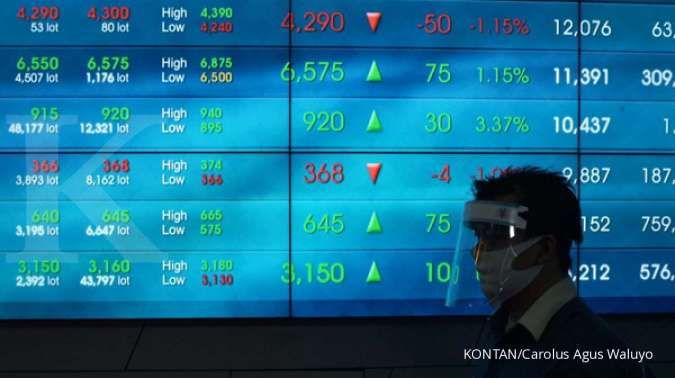
KONTAN.CO.ID, Jakarta — Tokenisation of shares is creating new opportunities for investors to gain exposure to global financial markets through blockchain-based instruments. However, investors should understand a product’s structure, regulatory requirements and associated risks before using such instruments.
Bittime Operations Director Ryan Lymn explained that tokenisation is the process of representing an asset or a particular right in digital token form using blockchain technology.
In finance, tokenisation can be applied to a range of assets, from gold and securities to interests in investment funds and other assets with differing structures and terms.
“Potential benefits of tokenisation include more efficient transaction processes, the development of settlement infrastructure and wider distribution of financial products,” Ryan said in a written statement on Wednesday (28 October 2026).
Nevertheless, he stressed that the benefits of tokenisation depend on the product’s structure and the readiness of its supporting ecosystem. Tokenisation does not automatically increase an asset’s liquidity or eliminate investment risks.
Tokenisation is beginning to develop in Indonesia through the regulatory sandbox run by the Financial Services Authority (OJK).
In its September 2026 financial services sector update, the OJK said seven participants had completed testing and passed. The business models tested included gold tokenisation, securities through a Fund Management Contract (KPD) scheme, and property ownership benefits, as well as other digital financial innovation models.
Ryan said these developments showed that tokenisation was being explored through a range of business models in Indonesia.
However, passing the regulatory sandbox does not automatically mean that a product has obtained an operating licence or can be marketed without meeting applicable requirements.
“For Indonesia’s financial industry, tokenisation needs to be considered alongside regulatory readiness, governance and consumer protection,” Ryan said.
He added that investors should understand the asset or right represented by a token, how its value is determined, and the rights and risks attached to the product.
Developing a tokenisation ecosystem therefore requires not only technological innovation but also reliable infrastructure, regulatory clarity and adequate governance.
One application of tokenisation that is attracting growing attention is Tokenised US Stocks: digital token-based instruments that provide exposure to movements in the share prices of US companies.
Ryan said these instruments could offer users of digital platforms an alternative way to gain exposure to the US stock market through the digital-asset ecosystem.
However, not all stock tokens have the same structure and characteristics. The rights granted to token holders depend on the product model being offered.
Some tokens may represent ownership or an interest in securities. Other models provide only exposure to changes in the price of an underlying asset, without granting the same rights as direct shareholders.
Investors should therefore examine several aspects before buying stock tokens, including:
Product’s legal structure: Understand the rights attached to the token and its legal relationship with the underlying asset.
Issuer: Identify the entity issuing or providing the instrument.
Asset custody arrangements: Find out whether an underlying asset backs the token and how it is managed.
Investor rights: Confirm whether the token grants share ownership, specific economic rights or only exposure to price movements.
Risks and liquidity: Understand potential price changes, trading limitations, and risks associated with the issuer and platform.
Understanding these points can help investors distinguish stock tokens from direct share ownership. Digital access to US shares should be assessed on the basis of a product’s characteristics, not merely its name or the underlying asset it references.
Diversification still requires attention to risk
Ryan said the growing range of investment instruments should be accompanied by greater investor understanding of the characteristics of each product.
Tokenisation can offer new approaches to issuing and distributing financial assets and providing access to them. But adoption still requires supporting infrastructure, clear regulation and consumer protection.
Portfolio diversification, he said, is not simply a matter of adding more investment instruments. Investors also need to assess how each instrument works and whether it fits their investment objectives.
“For investors, diversification is not merely about adding more assets to a portfolio, but also evaluating how each instrument works and whether it suits their investment objectives,” Ryan concluded.
Source: jawawa.id (https://jawawa.id/newsitem/us-stock-tokenisation-reaches-indonesia-risks-investors-need-to-understand-1793238632)
Originally published by investasi.kontan.co.id (https://investasi.kontan.co.id/news/tokenisasi-saham-as-merambah-indonesia-ini-risiko-yang-perlu-dipahami-investor), translated from Indonesian