
US States Mojtaba Khamenei Remains Alive, Actively Involved via Intermediaries
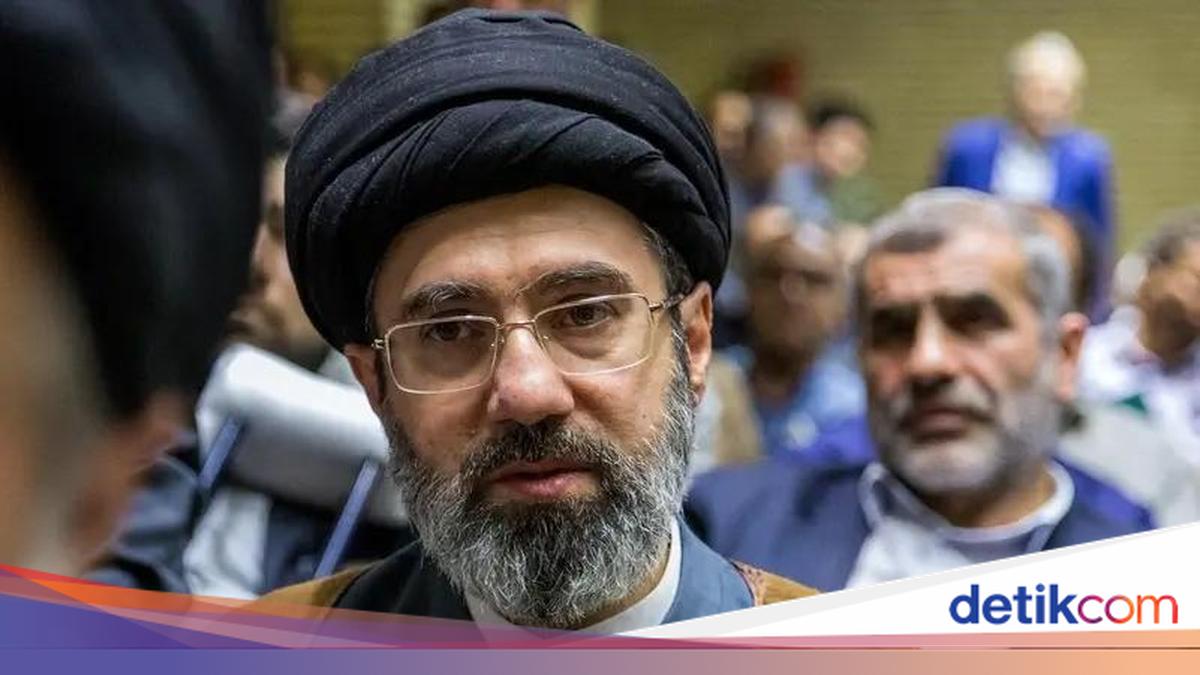
US Secretary of State Marco Rubio has stated that Iran’s Supreme Leader, Mojtaba Khamenei, remains alive and is increasingly active through intermediaries, despite being wounded during US and Israeli attacks at the onset of the conflict. Rubio’s remarks regarding the condition of Iran’s Supreme Leader, as reported by Al Arabiya and Anadolu Agency on Wednesday (3/6/2026), were made during testimony to members of the US Parliament at a Senate Foreign Relations Committee hearing on Tuesday (2/6) local time.
The 56-year-old Mojtaba succeeded his late father, Ayatollah Ali Khamenei, who died during the first wave of US-Israeli attacks on Iran on 28 February. Since being appointed Supreme Leader of Iran in early March, Mojtab_a has not appeared in public, sparking various speculations regarding his condition.
“We have not seen him in public, and I imagine, given what has happened to several leaders within that system, appearing in public is not something internally recommended for them,” Rubio told US lawmakers. “However, despite this, I believe there are indications out there that he is increasingly involved to a certain extent, even though all communications are conducted in writing and through intermediaries,” Rubio said, referring to Mojtaba.
Rubio stated that Iran’s internal decision-making process appears to be highly centralised. He revealed that messages from negotiators are typically relayed back to Tehran’s governing council for approval before any response is issued to the public. “According to our understanding of this system, and as conveyed to us, both by intermediaries and directly by Iran, whatever is brought or taken by [Iranian Foreign Minister] Araghchi and [Iranian negotiator] Ghalibaf from us, they must then return to the council and ultimately receive direction from them, and that process often takes three to five days to receive a response,” he explained.
Rubio provided this testimony before the US Senate panel at a time when negotiations to end the war, which has raged for the past three months, have stalled. Furthermore, Rubio expressed hope for reaching an agreement with Iran, asserting that Tehran must strictly limit its nuclear programme in order for sanctions to be lifted. He also claimed that Iran has agreed to negotiate aspects of its nuclear programme after previously refusing to do so. “There is a prospect before us, which could happen today, could happen tomorrow, or could happen next week,” Rubio said.