
US Senate Resolution Could Push Washington to Soften Stance on Iran
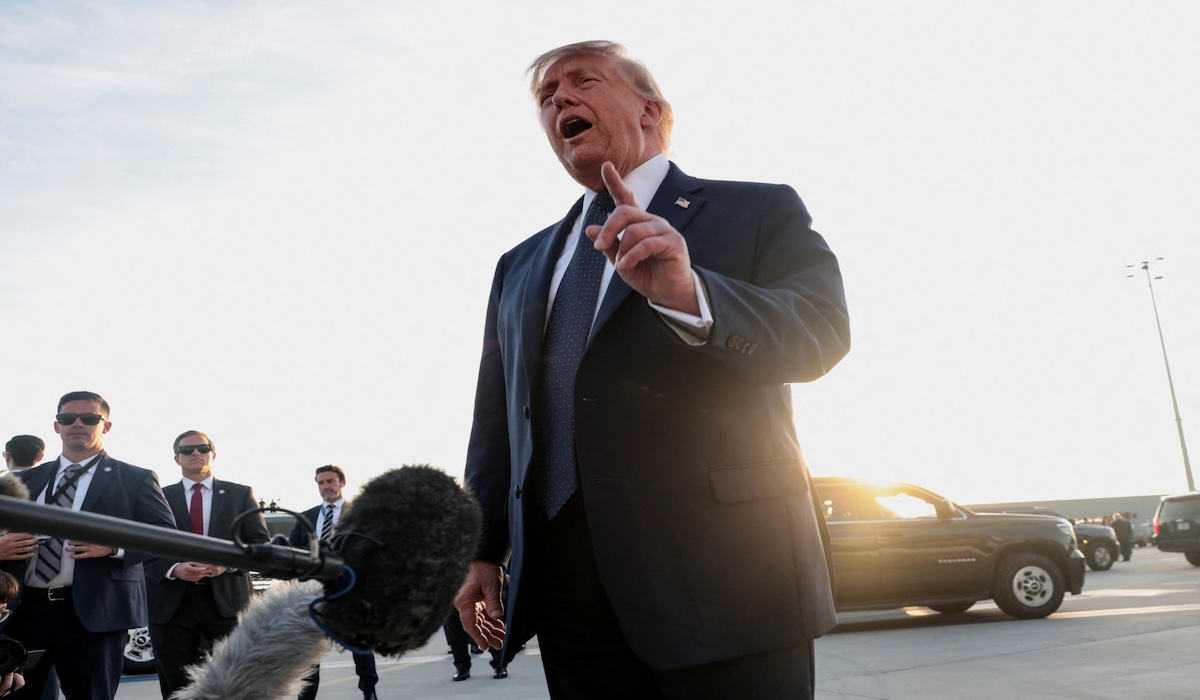
International relations expert Teuku Rezasyah assesses that the United States Senate resolution, which urges President Donald Trump to halt military campaigns against Iran or seek Congressional approval before further action, could encourage Washington to soften its stance towards Tehran. According to him, the Senate’s move reflects a realistic calculation amidst the increasing political and military costs of a prolonged conflict.
Rezasyah stated that the Senate’s decision indicates a shift in how Washington interprets global geopolitical dynamics. He believes the US’s ability to maintain continuous pressure on Iran is no longer as strong as it once was.
“The US Senate is being very realistic. Given that US energy reserves are only sufficient for the next four weeks, and a war against Iran is no longer winnable,” said Teuku Rezasyah when contacted by Media Indonesia on 24 June 2026.
According to Rezasyah, the US position is also influenced by an international situation that is not entirely favourable to Washington. He noted several external factors that are weakening US leverage against Tehran.
“The lack of support from NATO allies, the decline of US global reputation, and the strengthening of the Iran-Russia-China coalition have weakened the US’s ability to pressure Iran,” he noted.
On the other hand, Rezasyable assesses that Iran is now in a relatively stronger position. This, according to him, is evident from Iran’s domestic consolidation and its increasingly significant military capabilities.
“While Iran is becoming more unified domestically, with its highly targeted and measured missiles, this places Iranian diplomacy at an advantage,” he said.
Rezasyah mentioned that these developments have the potential to open greater diplomatic space between Washington and Tehran. Furthermore, both nations are reportedly undergoing negotiation processes to resolve various strategic issues that have historically been sources of tension.
Regarding the impact of the Senate resolution on Trump’s room for manoeuvre in making military decisions, Rezasyah predicts that US policy towards Iran will move towards a more moderate direction.
“It is expected that the US will soften its stance on Iran, but will use International Law to pressure Iran regarding nuclear issues and the Strait of Hormuz, albeit psychologically,” he explained.
He believes the resolution could also increase political pressure on Trump, particularly in determining the direction of US foreign policy and national security.
“The Senate resolution will corner President Donald Trump. The US military decision will be to declare a victory in war, even if only symbolically, while Iran will limit itself to claiming it has won the war against the US,” Rezasyah concluded.