
US Senate Approves Resolution Demanding Trump End War with Iran
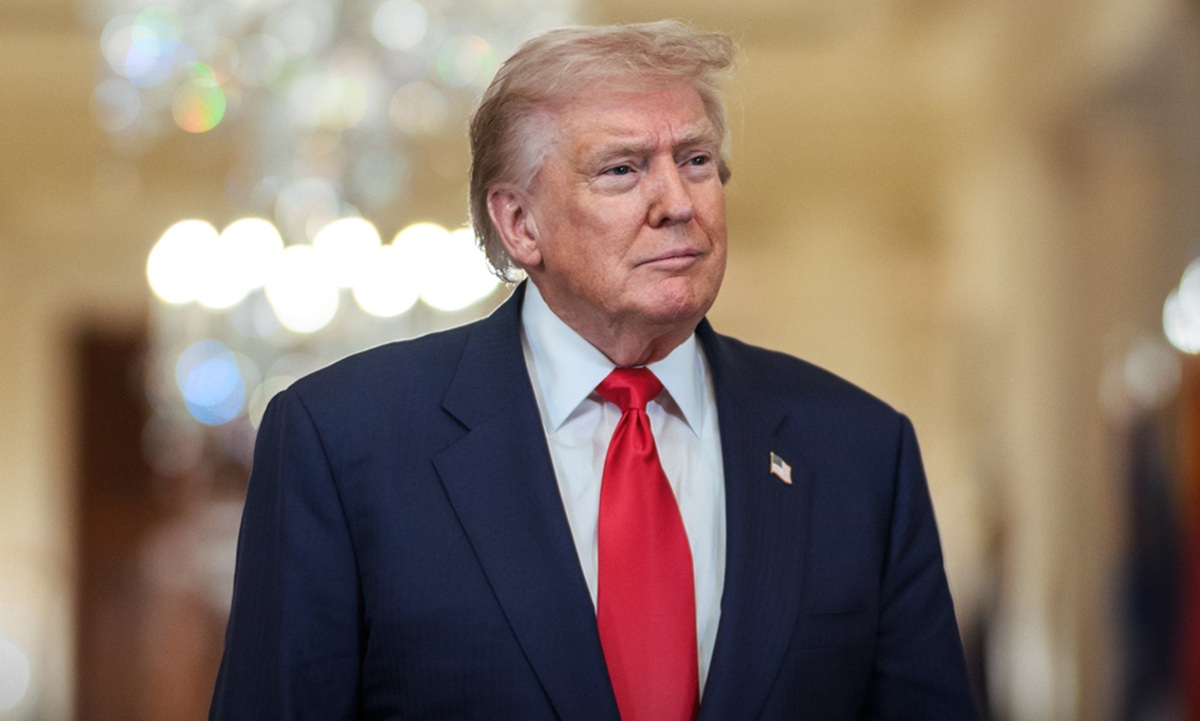
The United States Senate, controlled by the Republican Party, has approved a legal measure instructing President Donald Trump to end the war in Iran. Through this resolution, the President is required to halt the war or obtain Congressional approval before continuing military action.
In a vote held on Tuesday, a small number of Republican senators joined with Democrats, resulting in a final tally of 50-48. This outcome demonstrates bipartisan opposition to the war, which has been raging since February. A similar measure was previously passed by the US House of Representatives in June.
However, the move is largely viewed as symbolic. The joint resolution will not be sent to Trump’s desk for consideration and carries no binding legal force, although it could potentially face legal challenges in the future.
This vote marks the first time both chambers of Congress—the Senate and the House—have approved a joint resolution instructing a president to end military action since the War Powers Resolution was enacted in 1973.
The resolution’s passage is considered significant as it adds political pressure on the White House to swiftly end the Iran conflict. The war has become increasingly unpopular with the public and has triggered a surge in petrol prices. This vote also represents the tenth such effort forced by Democrats in the Senate since the war began.
Four Republican senators broke ranks to support the resolution: Rand Paul, Lisa Murkowski, Susan Collins, and Bill Cassidy. Meanwhile, Senator John Fetterman was the sole Democrat to vote against it.
Responding to the result, a White House official told the BBC that, following a ceasefire agreed upon on 7 April, there are currently no active hostilities requiring the withdrawal of American troops. The official also argued that the resolution only passed due to the absence of two Republican senators, Mitch McConnell and Dave McCormick.
Under federal law, the president requires Congressional consent to continue military action lasting more than 60 days. The US-Israeli strikes began on 28 February, though the Trump administration argues that the April ceasefire reset that deadline. The White House also holds the authority to extend the deadline by 30 days for national security reasons.
Currently, the US and Iran are committed to maintaining the ceasefire and are working towards a cessation of hostilities under a memorandum of understanding (MoU) signed by the presidents of both countries last week. Through this MoU, Washington and Tehran have 60 days to reach a broader agreement concerning the cessation of Iran’s nuclear programme.