
US Secretary of State Marco Rubio: Strait of Hormuz Will Be Reopened by Any Means Necessary
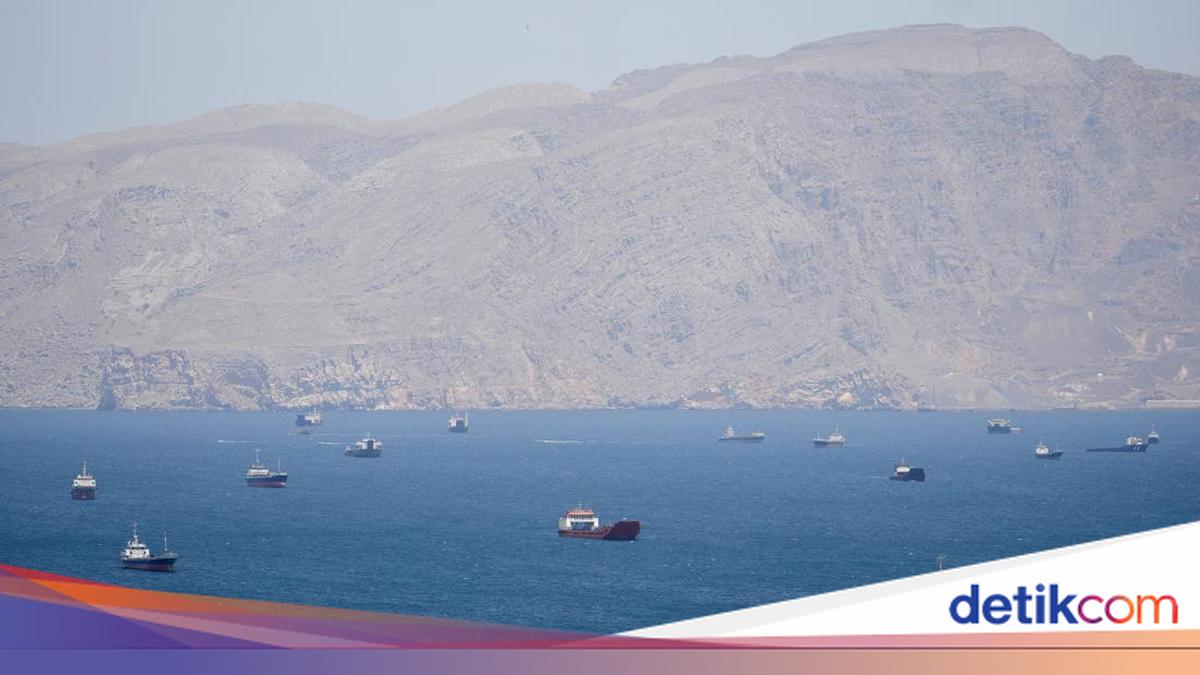
US Secretary of State Marco Rubio asserted that the Strait of Hormuz, blocked by Iran, would be reopened ‘by any means necessary’. This was stated following new US strikes on Iran which cast doubt on efforts to end the Middle East conflict.
‘The strait must be opened. It will be opened by any means necessary, so it must be opened,’ Rubio told reporters during his visit to India.
‘What is happening there is illegal, unlawful, unsustainable for the world, and unacceptable,’ he added, according to AFP on Tuesday, 26 May 2026.
The US Secretary of State also said that an agreement with Iran is still possible in the coming days despite recent US strikes.
‘There are ongoing talks in Qatar today, so we will see if we can make progress,’ Rubio said.
‘I think there’s a lot of back-and-forth over specific wording in the initial document, so it will take a few days,’ he said.
‘President Donald Trump has expressed his desire to achieve it. He will make a good deal or no deal at all,’ Rubio stressed.
Rubio’s statement came after the US Central Command (CENTCOM), which oversees US military operations in the Middle East, announced that its forces had launched a series of strikes against southern Iran.
CENTCOM claimed the US strikes targeted Iranian missile launchers and vessels suspected of laying sea mines. CENTCOM also described the latest strikes as ‘defensive actions’.
‘US forces launched defensive strikes in southern Iran to protect our troops from threats posed by Iranian forces,’ said CENTCOM spokesperson Captain Tim Hawkins in a statement to Fox News, as reported by TRT World.
‘The targets, Hawkins said, included missile launch sites and Iranian vessels attempting to lay mines. ’CENTCOM continues to defend our troops while exercising restraint during the ongoing ceasefire,’ Hawkins added.
CENTCOM did not provide further details about the latest US strikes.
However, local Iranian media reported a series of explosions in the port city of Bandar Abbas in southern Iran, as well as in Sirik and Jask along the Gulf coast.