
US Reinforces Iran Blockade, Oil Prices Become Target of War
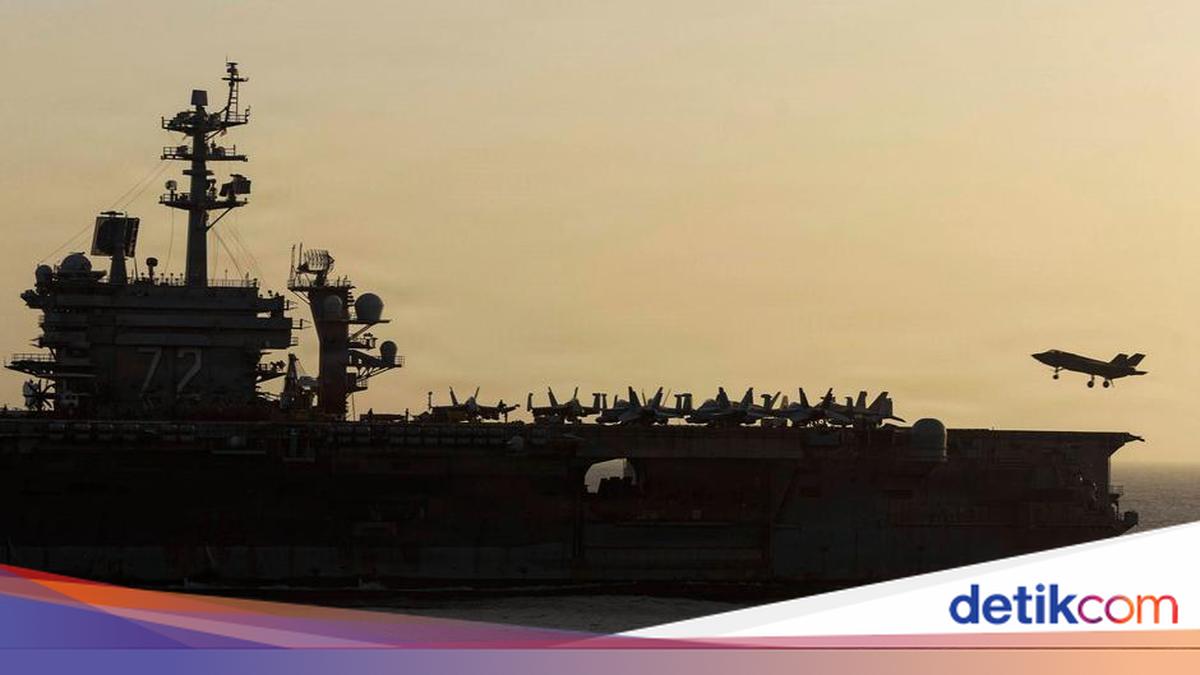
The United States on Thursday (13/08) asserted it could maintain its naval blockade against Iran indefinitely, while preparing to tighten economic pressure on Tehran, amid failed ceasefire negotiations, shrinking global oil supplies, and escalating regional tensions. Defence Secretary Pete Hegseth said the US military has the capability to sustain a naval presence in the region to enforce the blockade against Iran, which has caused severe economic damage to the country. “The US can maintain such a blockade indefinitely because we will rotate ships in and out, as we have done and will continue to do,” Hegseth told reporters during a visit to Panama. Treasury Secretary Scott Bessent added that the United States plans to exert even greater financial pressure on Iran. “Stay tuned because there will be further announcements next week. We are going to implement measures unprecedented in the history of economic isolation against a country,” he said in an interview on Newsmax’s “Rob Schmitt Tonight” programme.
In a development revealing the strength of Iran’s grip on the situation, Vice President JD Vance disclosed that the US’s primary priority in the war against Iran is no longer Tehran’s nuclear programme, but lowering petrol prices for American consumers. “I know oil prices fell today and are way down from their peak at the beginning of the conflict,” Vance said on Fox News. “That is the number one goal: keeping oil and gas prices cheap for the American people across the country.” He added, “And of course, the number two goal is making sure Iran never gets a nuclear weapon.” Vance’s statement reflects the harsh reality that the war now centres on a struggle for control of the Strait of Hormuz, the vital energy supply route that was open before Trump initiated the war alongside Israel in late February. Iran almost completely closed it in retaliation, and that has become Tehran’s trump card against Trump, who is now struggling to find a way out of the conflict. Vance has long been known as one of the cabinet members most sceptical of the strikes launched against Iran. His statement now appears to confirm the more cautious approach Trump is now adopting, namely maintaining strong economic pressure through a blockade of Iranian ports and preventing Tehran from selling oil.
Trump faces significant domestic pressure to end the war. Soaring fuel prices have eroded his approval ratings, and the November midterm elections are approaching. Republicans fear that Trump and the war, which has caused petrol prices to surge, will cost them control of Congress. Trump has repeatedly asserted the US has “full control” over the strait, a claim immediately denied by Iran. Tehran has stated it will not allow the route to reopen until its conditions are met, including the lifting of economic sanctions and the release of frozen Iranian assets. These Iranian terms reflect provisions of a so-called memorandum of understanding reached in June, which subsequently collapsed as fighting resumed, including a stipulation for a 300 billion US dollar reconstruction fund for Iran.
On-the-ground conditions reflect the simmering tensions. Vessel traffic in the Strait of Hormuz fell below the monthly average towards the weekend due to volatile sentiment between the US and Iran, with both countries claiming control over the strait. The new head of Iran’s paramilitary Basij force stated on Thursday that the Strait of Hormuz “is under Iran’s control and management.” According to Kpler data, a total of nine vessels transited the strait on Thursday, up from five the previous day. The figure includes five vessels entering the Gulf and four exiting towards the Gulf of Oman, mostly via Iranian shipping lanes. Shipping risks remain very real. Abu Dhabi National Oil Company confirmed that two of its vessels were attacked while transiting the Strait of Hormuz on Thursday evening without any injuries, while the United Arab Emirates accused Iran of being behind the attack. Meanwhile, 19 commodity vessels transited the Bab el-Mandeb Strait on Thursday with their transponders on, relatively stable compared to 20 vessels the previous day, according to Kpler data. Some vessels may be sailing the key waterway with transponders switched off, which are not included in the count.
Amid all this, pressure on the global economy continues to mount. The International Energy Agency (IEA) on Wednesday projected global oil supply will fall by 4.3 million barrels per day, or about 4%, this year. A month ago, the same agency estimated a decline of only 3.7 million barrels per day. Oil prices fell more than 2% on Thursday after a week of gains, as investors weighed signs of weakening global demand and a sharp surge in US crude oil stocks. However, reports that Iran-backed Houthis in Yemen had targeted Saudi Aramco facilities with drones unsettled the market, renewing concerns about a widening regional war. Global economists are projecting a sharp decline in world growth due to the war, and the possibility of recession in some regions, warning that the impact will be greater if the war is not ended soon.
Source: jawawa.id (https://jawawa.id/newsitem/us-reinforces-iran-blockade-oil-prices-become-target-of-war-1786704889)
Originally published by detikcom (https://news.detik.com/dw/d-8618813/as-perkuat-blokade-iran-harga-minyak-jadi-target-perang), translated from Indonesian