
US Prepares New Sanctions to Impose Large-Scale Economic Isolation on Iran
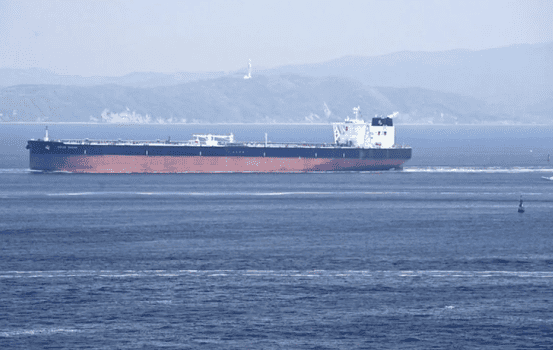
The United States government under President Donald Trump is preparing drastic measures to tighten pressure on Iran. Washington plans to launch a new sanctions package that it claims will create economic isolation on a scale never before seen on the global stage. US Treasury Secretary Scott Bessent revealed that this strategy will employ a two-pronged approach. In addition to conventional financial instruments, the US will also apply physical pressure by maintaining a blockade of Iran’s main ports through strict restrictions on activity in the Strait of Hormuz. In an interview with the Newsmax television network on Thursday (13/8/2026) local time, Bessent stressed that this move is designed to completely sever Tehran’s trade access. He gave a strong signal that the official announcement regarding the details of this policy will be made next week. “This will be a combination of economic isolation like the world has never seen before. The continuing blockade in the Strait of Hormuz will ensure nothing can enter or leave Iranian ports,” Bessent asserted. This move marks a significant escalation in the diplomatic and economic relations between the two countries. Washington’s focus is now not only limited to asset freezes or bans on banking transactions but also targets the physical logistics routes that are the lifeblood of Iran’s commodity exports. This aggressive policy aligns with the strategic direction previously outlined by US Vice President JD Vance. The Trump administration currently places domestic energy price stability as its highest priority, surpassing the issue of nuclear weapons prevention, which has now shifted to second place. This latest stance shows a rather sharp change in tone compared to Bessent’s statement in early August. Previously, on 4 August, Bessent had given the market optimism through an interview with CNBC, stating that a deal to reopen the Strait of Hormuz could be reached within days. That initial statement had triggered a rally on Wall Street stock exchanges and depressed world oil prices. However, with the emergence of this threat of total economic isolation, hopes for a quick resolution in the Strait of Hormuz appear to be fading, providing new uncertainty for global energy markets. Washington is now asking market participants and the international community to monitor further developments next week, when the sanctions package is scheduled to be announced in detail.