
US Pours Rp53.6 Trillion into Critical Minerals and Batteries
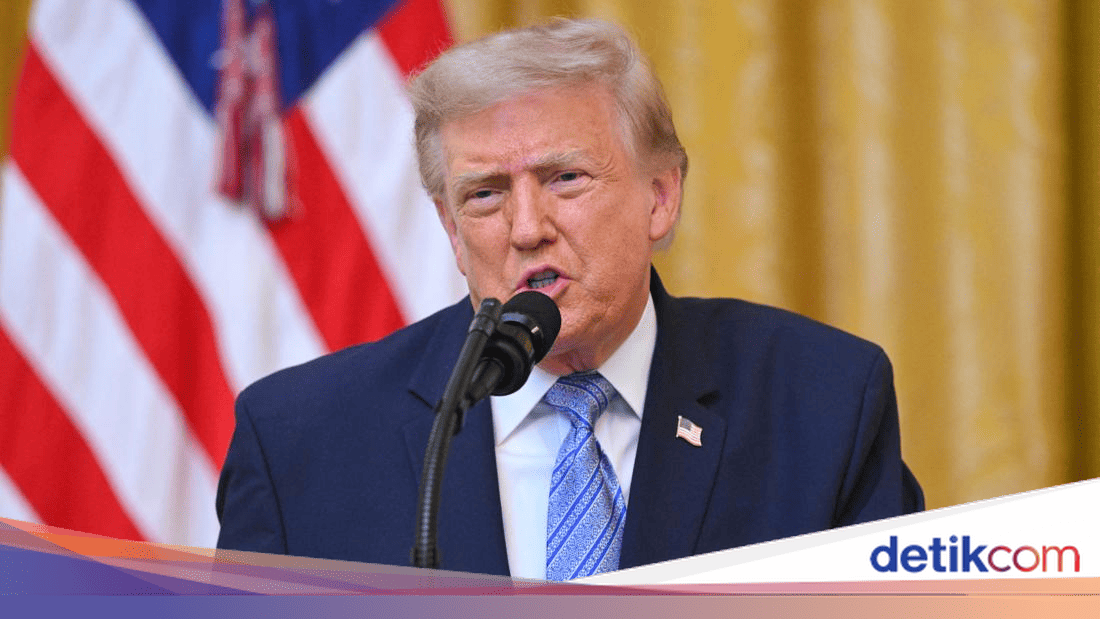
The US government has announced a US$3 billion investment, equivalent to Rp53.6 trillion at an exchange rate of Rp17,897, to strengthen domestic critical mineral production and battery projects. President Donald Trump described the move as part of efforts to restore America’s position as a global mineral superpower.
Of the total, US$1.4 billion is being channelled as conditional loans through the Office of Strategic Capital (OSC) under the Department of Defense to Sila Nanotechnologies, a lithium-ion battery component company. The OSC is also providing a US$400 million loan to scandium miner Sunrise Energy Metals and US$150 million to magnet developer Niron Magnetics. The Export-Import Bank of the United States added US$58 million in loans for companies including Westwater Resources, Global Advanced Metals, and 5E Advanced Materials.
What is not immediately visible from the headline is that the US programme does not stop at corporate funding. The US government is also disbursing US$100 million for mining education grants, with a target of doubling the number of university graduates within two years. The Pentagon is even funding US$80 million for three mining schools. This signals a long-term strategy that builds an entire ecosystem — from raw materials and research to workforce development.
The policy can be read as a serious effort to reduce US dependence on critical mineral imports from other countries, and it directly raises the level of competition in the global mining sector. For Indonesia, this policy changes the competitive landscape. Indonesia has been one of the key players in the global critical mineral supply chain, particularly nickel, and is actively pushing downstream processing.
As the US accelerates domestic production, future demand for processed Indonesian minerals could potentially be eroded. At the same time, competition to attract investment, technology, and skilled workers in the mineral sector is becoming increasingly fierce. Indonesian mining companies must be prepared to face higher demands — environmental standards, supply security, and supply chain transparency — from global buyers who now have more options. The government cannot afford to stand still; incentives, regulatory certainty, and supporting infrastructure will be key to maintaining Indonesia’s position.
This policy shifts the global critical mineral supply chain map. Indonesia has so far relied on nickel exports and derivative products to drive downstream processing; if the US produces its own battery raw materials, Indonesia’s bargaining position with foreign investors could weaken. Furthermore, this US investment accelerates technological and capital competition, forcing Indonesia to work harder to attract downstream investment and maintain its market share.
Nickel mining and processing companies in Indonesia face the risk of declining long-term demand if the US succeeds in building a self-sufficient domestic critical mineral supply chain. The Indonesian government is being pushed to accelerate improvements to the investment climate and downstream incentives — otherwise, planned smelter and battery industry projects could lose competitiveness. The domestic battery and electric vehicle industry, which relies on foreign investment, will face stiffer competition for capital and technology from global companies.
For Indonesia, this US policy reinforces the urgency of efficient and sustainable downstream processing. Indonesia cannot rely solely on foreign capital to build its processing industry; it needs regulatory certainty, energy infrastructure, and a skilled workforce to remain a critical mineral investment destination amid rivalry between the US and other countries.
Source: jawawa.id (https://jawawa.id/newsitem/us-pours-rp53-6-trillion-into-critical-minerals-and-batteries-1786218618)
Originally published by feedberry.com (https://feedberry.com/artikel/as-kucurkan-rp536-t-untuk-mineral-kritis-dan-baterai), translated from Indonesian