
US Pays Rp11.8 Trillion Debt to UN, Still Owes Rp65 Trillion in Arrears
The United States government plans to allocate US$725 million, or around Rp11.8 trillion, to pay its obligations to the United Nations. The move provides a breath of fresh air for the UN, which is facing a serious financial crisis due to arrears from its member states.
As of Friday, 21 August 2026, Washington stated that it had not yet transferred the funds.
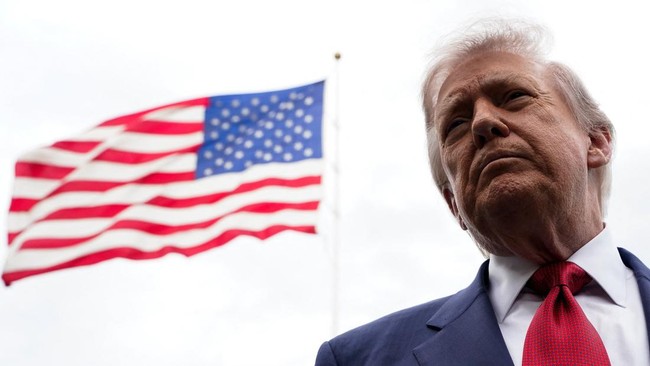
The payment is being made ahead of US President Donald Trump’s planned attendance at the UN General Assembly in New York this September.
The Trump administration has long been critical of the UN and considers that the organisation has not carried out its functions optimally. Yet a number of international aid and finance experts believe the US$725 million payment could help the UN maintain its operations amid increasingly strained financial conditions.
However, the amount is still far smaller than the total US obligations to the UN. In May 2026, the UN estimated that the United States had arrears of more than US$4 billion. That total consists of around US$2.04 billion for the regular budget, US$2.2 billion for current and previous peacekeeping missions, and US$44 million for UN tribunals.
As a result, the US$725 million that Washington plans to allocate covers less than 20% of the total bill that the UN says the United States still owes.
Citing Reuters, the US debt payment was revealed in a notification letter from the US State Department to Congress on 4 August 2026. However, the US government stressed that disbursement of the funds still depends on the continuation of the reform agenda within the UN.
Former UN official Eugene Chen said the payment could at least help the organisation finance operational needs and pay staff salaries for the time being. However, the funds are not enough to resolve all of the UN’s financial problems.
“It keeps the ship afloat a little longer,” he said, as quoted by Reuters on Saturday (22/8/2026).
According to him, without further payments, the UN’s financial condition could deteriorate again. In fact, the United States could lose its voting rights in the UN General Assembly as early as January if its arrears meet the provisions of the UN Charter.
“If the US does not make further payments, it is highly likely that the US will lose its voting rights in January,” he added.
Article 19 of the UN Charter stipulates that a member state may lose its vote in the General Assembly if the amount of its arrears exceeds the contributions it should have paid over the previous two years. Nevertheless, under certain circumstances there is still the possibility of a grace period being granted.
UN Secretary-General Antonio Guterres had previously warned that the organisation faces the risk of imminent financial collapse due to the low level of contribution payments from member states.
As part of a reform programme known as “UN80”, the UN has cut its 2026 budget by 9.2%. The organisation has also moved more than 2,000 jobs from high-cost cities such as Geneva and New York to cheaper operational hubs.
A US State Department official said that over the past six months Washington has pushed for major reforms within the UN, including budget cuts described as the first real budget reduction in the organisation’s history. The move is claimed to have produced savings of nearly US$1 billion.
The US$725 million payment plan ultimately gives the UN a little breathing room. However, with total US arrears still reaching billions of dollars and other member states also not fully meeting their obligations, the financial future of the 80-year-old organisation still faces major challenges.
“Over the past six months, the United States has achieved historic reforms across the UN — reforms long thought impossible — including the first real budget cut in UN history, resulting in nearly one billion in cuts,” the official said.
However, Washington has not transferred around US$153.4 million, which it described as “policy-based withholdings”. That amount includes US$10.6 million earmarked for the Human Rights Council, from which Washington withdrew its participation last year on the grounds of alleged anti-Israel bias, as well as funds for the UN agency for Palestinian refugees.
Meanwhile, UN finance expert Ronny Patz of the German Institute of Development and Sustainability (IDOS) said a large payment could prevent the UN from making more extreme spending cuts in the near term.
However, the fundamental problem has not been fully resolved. The UN still faces a situation without adequate reserve funds. If payments from the US do not continue, the organisation risks having difficulty paying staff salaries and maintaining its operations at the end of the year.
“If they do not pay, the UN may really struggle during the last two or three months of this year in terms of paying salaries and keeping operations running,” he said.
The United States itself is the largest contributor to the UN budget. However, under the Trump administration, Washington has stopped or withheld a number of mandatory payments while cutting voluntary funding for various UN bodies.
The US has also withdrawn from dozens of international organisations and bodies under or related to the UN system. The Trump administration has described the move as part of efforts to reduce budget waste and ensure US taxpayer money is used for purposes deemed aligned with national interests.
UN Controller Chandramouli Ramanathan said the UN previously relied on receiving around 90% of contributions from its 193 members for this year’s budget, as stated last month. As of 18 August, around 129 members had paid their contributions in full, according to a UN document. China, the second-largest contributor after the United States, was also not on the list.
Source: jawawa.id (https://jawawa.id/newsitem/us-pays-rp11-8-trillion-debt-to-un-still-owes-rp65-trillion-in-arrears-1787395871)
Originally published by CNBC Indonesia (https://www.cnbcindonesia.com/news/20260822140818-4-761482/as-bayar-utang-rp118-triliun-ke-pbb-masih-punya-tunggakan-rp65-t), translated from Indonesian