
US Oil Reserves Hit Lowest Level Since 1983 Amid Iran Conflict: What Are the Impacts?
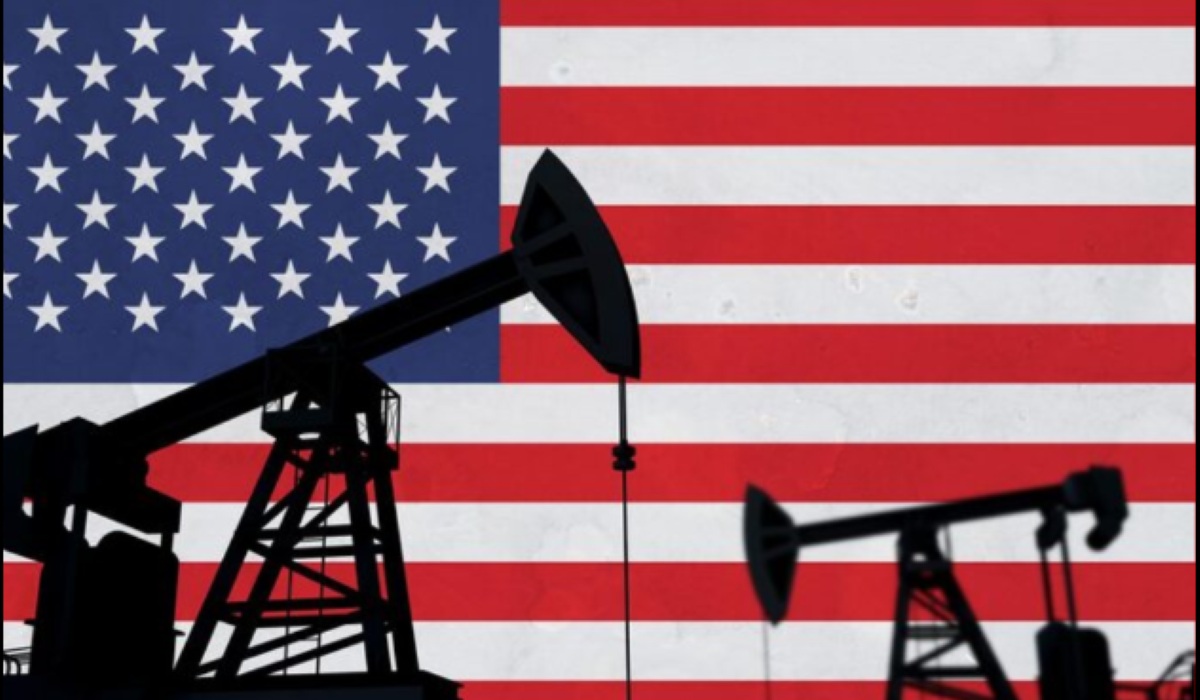
The United States’ Strategic Petroleum Reserve (SPR) plummeted to its lowest level since 1983 last month. This sharp decline occurs amidst escalating tensions between the United States and Iran, sparking concerns over the stability of global oil supply and prices.
US President Donald Trump acknowledged that whenever the US launches an attack on Iran, oil prices tend to soar. This was evident in trading on Wednesday (8/7), when Brent crude oil prices reached their highest level since 19 June, settling at US$78.02 per barrel, a 5.2 per cent increase in a single day.
According to data from the US Department of Energy, the SPR decreased by 6.2 million barrels in the week ending 3 July, leaving 319.5 million barrels. This figure marks the lowest level since the administration of President Ronald Reagan. The total storage capacity is 713.5 million barrels, a volume last nearly reached around the 2010s.
Although the US is currently the world’s largest oil producer and a net exporter of petroleum products, its dependence on global prices remains high. Approximately 60 per cent of the crude oil processed in US refineries comes from domestic production, while the remaining 40 per cent is imported, primarily from Canada (60 per cent) and Mexico (7 per cent).
Even though only about 7 per cent of the oil consumed by the US passes through the Strait of Hormuz, crude oil prices are not determined by the location of production, but by global benchmark prices reflecting worldwide supply and demand.
“Energy independence does not mean price security or price independence because oil is a globally traded commodity and all markets are interconnected,” said Maksim Sonin, an energy executive from Stanford University’s Center for Fuels of the Future.
If supply through the Strait of Hormuz is disrupted, global buyers will scramble to find replacement supplies from other countries. This competition drives up global crude oil prices, which ultimately increases costs for US oil refineries and burdens consumers at the petrol pump.
The SPR was established in 1975 after the Arab oil embargo to serve as an emergency reserve during major supply disruptions, such as war or natural disasters. However, the continuous use of this reserve is beginning to raise concerns.
Abhi Rajendran, a researcher from Rice University’s Center for Energy Studies, noted that of the 319.5 million barrels remaining, perhaps only around 100 to 150 million barrels are actually usable or fit for export. “Some of the crude oil in there has been stored for a very long time in old salt caverns,” he said.
If the US stops releasing reserves into the market, experts warn of a double impact. Besides the reduction in physical supply, the market would interpret the halt as a signal that the crisis situation is far worse than anticipated. This could actually exacerbate the spike in global oil prices.
Source: jawawa.id (https://jawawa.id/newsitem/us-oil-reserves-hit-lowest-level-since-1983-amid-iran-conflict-what-are-the-impacts-1783680644)
Originally published by Media Indonesia (https://mediaindonesia.com/internasional/909591/cadangan-minyak-as-terendah-sejak-1983-akibat-perangi-iran-apa-dampaknya), translated from Indonesian