
US Official Says Destroying Iran's Nuclear Capability Remains an Option
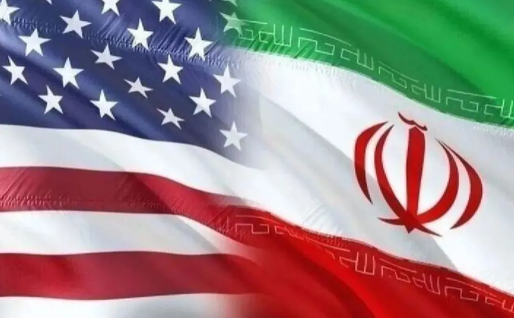
The United States Secretary of Energy, Chris Wright, has stated that a nuclear deal with Iran may not necessarily be realised in the near term. Wright hinted that the US may have to take extreme measures by relying on the destruction of Tehran’s nuclear capability in order to prevent the country from acquiring nuclear weapons.
“There may be no nuclear deal. There may be no way other than destroying their capability to do it. A deal may await the next government in Iran. We truly do not know,” Wright said in an interview with ABC News on Sunday (6/9).
Wright’s remarks emerged amid claims by US President Donald Trump that Iran’s leadership has fundamentally changed since the US-Israeli attacks began in late February. Nevertheless, Iran’s governmental structure is reported to have remained intact under a new supreme leader.
Wright asserted that continued bombing of Iran’s strategic infrastructure appears to be a necessary strategy. The primary focus is on crippling Iran’s missile production capability, which has long posed a threat to the region.
“You have to destroy their capability. They built a large missile infrastructure to produce the missiles you now see them firing, but they would not have the ability to produce more missiles (if that infrastructure is destroyed),” he declared.
Beyond the nuclear issue, Wright highlighted global energy stability, particularly the flow of oil through the Strait of Hormuz. This strategic route has recorded extremely high shipment volumes amid the geopolitical tension.
The figure of 9 million barrels per day represents the highest seven-day average ever recorded. Wright had previously shared similar data in early August, demonstrating the consistent burden placed on the shipping route.
Although Iran and the US signed a memorandum of understanding in June through mediation by Pakistan and Qatar, its implementation on the ground has reached an impasse. Both sides have accused each other of failing to honour commitments relating to the cessation of hostilities and the full reopening of the Strait of Hormuz.
To this day, the security status of the Strait of Hormuz remains a matter of debate.
This situation has placed the global energy market in a state of vigilance, given that the Strait of Hormuz is the main artery for global oil distribution.