
US Nuclear Technology Transfer to Saudi Arabia Sparks Israeli Fears of Arms Race
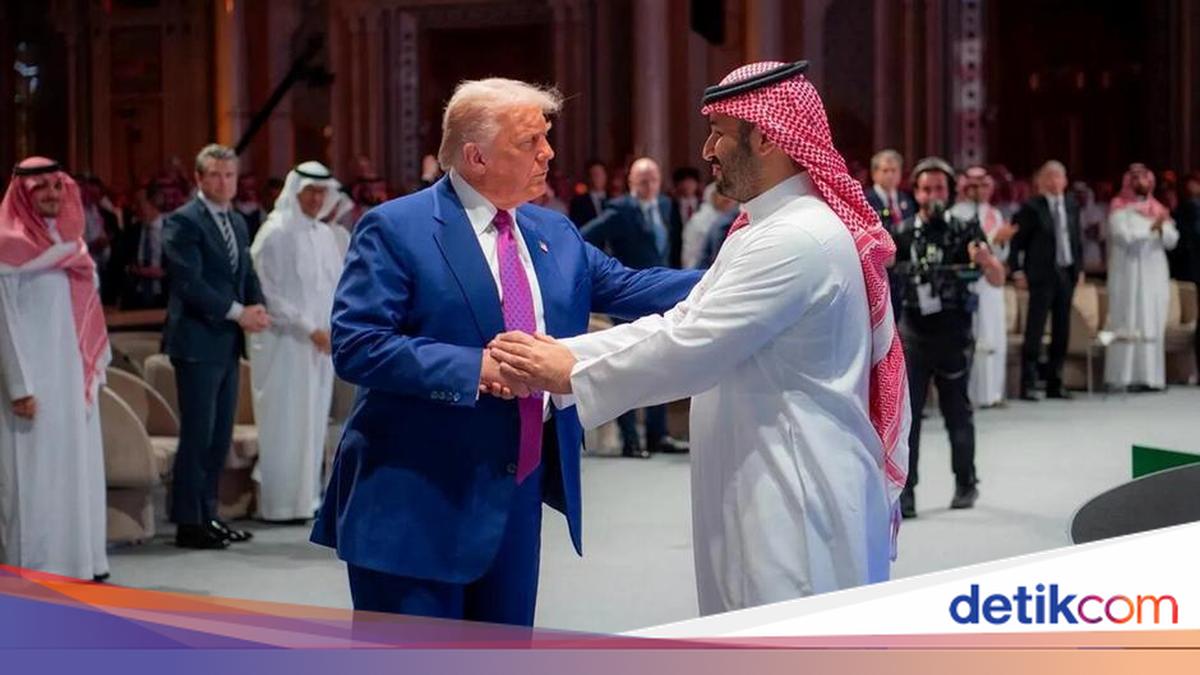
The United States (US) and Saudi Arabia have agreed on cooperation to develop a civil nuclear programme. The agreement, announced on Wednesday (22/07), was described by Washington as a new milestone in the strategic cooperation between the two countries. However, in Israel, the deal has sparked fears of a nuclear arms race in the Middle East.
US Energy Secretary Chris Wright and Saudi Energy Minister Prince Abdulaziz bin Salman signed two documents, namely a nuclear cooperation agreement for peaceful purposes and a bilateral safeguards agreement.
According to the US Department of Energy, the two documents provide the legal framework for a multibillion-dollar partnership spanning several decades. The project is also claimed to meet nuclear safety and non-proliferation standards.
Although the agreement documents have not been made public, the US daily Wall Street Journal reported that one clause allows American companies to build uranium enrichment facilities in Saudi Arabia. The US Department of Energy neither confirmed nor denied the report.
The deal still requires Congressional approval. However, with its majority, the Republican Party is believed to be able to pave the way for the White House.
The Trump administration has insisted the cooperation strengthens the non-proliferation regime. Wright stated that all projects would rely on American technology and scientists and meet the highest safety standards.
However, this reasoning has not quelled criticism. Democratic Senator Bernie Sanders described Trump’s policy as contradictory. He argued that Trump waged a war against Iran on the pretext of halting uranium enrichment, yet is now allowing a close ally, Saudi Arabia, to develop similar capabilities.
Similar concerns have come from Israel. Although Prime Minister Benjamin Netanyahu has not yet issued an official response, several opposition figures believe the deal threatens Israel’s strategic interests.
Former Prime Minister Naftali Bennett called the agreement a “serious strategic failure”.
Former Defence Minister Avigdor Lieberman went further, assessing that Saudi Arabia’s civil nuclear programme would ultimately lead to the development of nuclear weapons. He urged the Israeli government to lobby the US Congress to scupper the deal.
Benny Gantz, a former Israeli military chief of staff, also questioned Washington’s decision. He stated that no Israeli security official believes granting Saudi Arabia civil nuclear capability—without a broader regional security alliance—is a step that benefits Israel’s security.
The US nuclear deal with Riyadh was actually initiated during the first Trump administration and continued under President Joe Biden. However, discussions repeatedly stalled due to concerns from non-proliferation watchdogs that the technology could serve as a gateway for Saudi Arabia to develop nuclear weapons.
Washington has also long sought to link nuclear cooperation with a broader agenda, namely the normalisation of relations between Saudi Arabia and Israel and the formation of a defence pact between Washington and Riyadh. In the latest agreement, the normalisation element with Israel is not part of the package.
Uranium enrichment capability is considered highly sensitive within the non-proliferation regime because it can pave the way to nuclear weaponisation. “Enriching uranium on Saudi soil could trigger a nuclear arms race in the region and pose a dangerous risk of losing control,” Bennett said.
The United Arab Emirates, Saudi Arabia’s neighbour, previously signed a 123 Agreement with the United States to build the Barakah Nuclear Power Plant with South Korean assistance. However, the UAE did not request its own uranium enrichment facilities.
Nuclear technology without enrichment has long been considered the “gold standard” by non-proliferation experts for countries wishing to utilise nuclear energy for peaceful purposes.