
US Military Commanders Ignored Intel Warnings, Approved Bombing That Killed Hundreds of Children in Iran
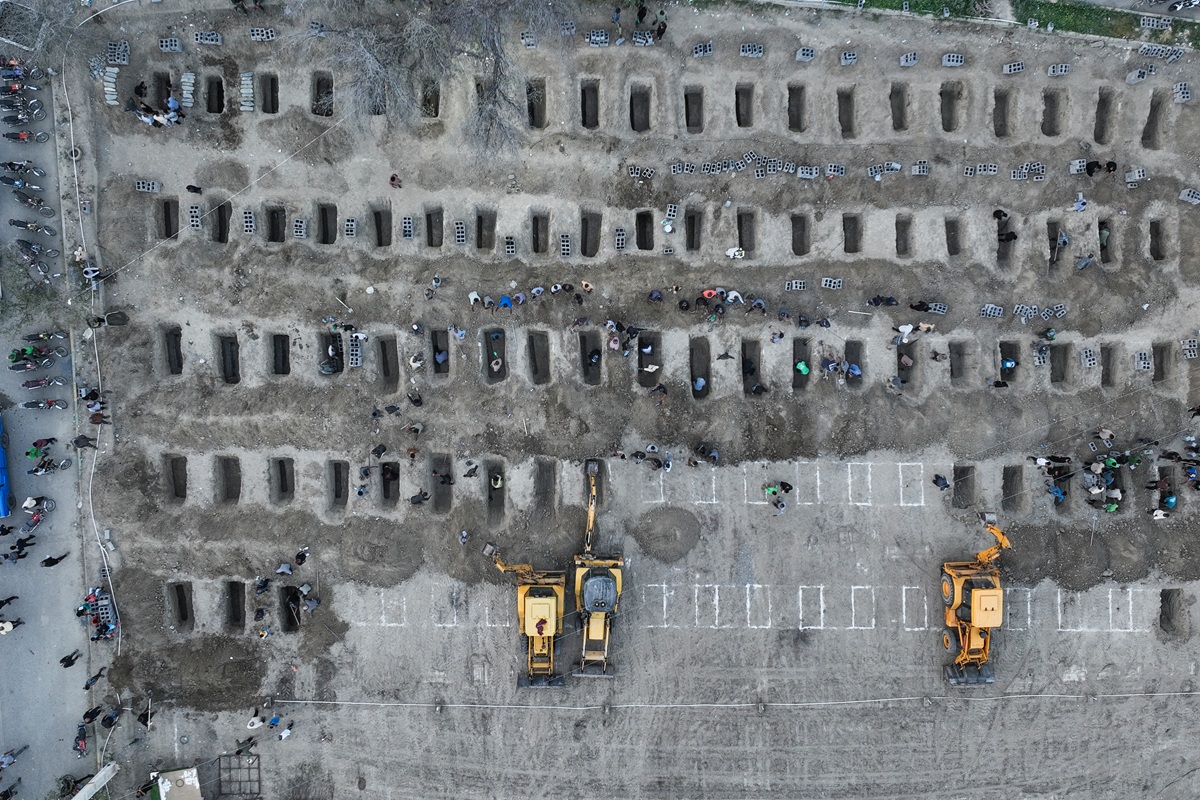
Several senior United States military commanders reportedly ignored warnings in a crucial database that intelligence information regarding a target in Iran was severely outdated. As a result, they approved an airstrike that mistakenly hit a primary school, killing nearly 200 people. According to reports from three sources familiar with the decision-making process, a warning message stating that the target data was years old and needed re-verification was actually embedded in the system. However, for reasons of ‘efficiency’ and the rush to provide targets at the start of the war, the senior commanders chose to disregard the system. The fatal strike on 28 February hit the Shajareh Tayyiba School in Minab, as the US military was simultaneously targeting a nearby Islamic Revolutionary Guard Corps (IRGC) facility. Iranian state media reported the incident killed at least 168 children and 14 teachers, making it one of the worst civilian casualty incidents in modern US military history. Although US military officials learned the cause of the error within days, the Pentagon has yet to release the results of its investigation. A White House official told CNN that the investigation process is ongoing. ‘As we have said, the United States does not target civilians,’ the official stated. Satellite data shows that the school and the IRGC base were originally part of the same complex in 2013. However, since 2016, a perimeter fence and separate entrance were built to separate the school. By December 2025, satellite imagery clearly recorded dozens of people active in the schoolyard. Because the operation was launched hastily, intelligence analysts prioritised updating data for ‘top-tier’ targets deemed most threatening to US forces, such as missile and aircraft sites. Meanwhile, fixed-building targets, like the IRGC facility near the school, were considered lower-tier targets and missed out on data updates, resulting in the use of information that was over 10 years old. Pressure from senior Pentagon officials to move quickly exacerbated the situation. Additionally, another factor that increased the risk of this error was the massive cut to the Civilian Harm Mitigation and Response (CHMR) programme by Defence Secretary Pete Hegseth, which reduced the civilian impact specialist staff at US Central Command (CENTCOM) from 10 people to just one full-time staff member. Responding to the incident, President Donald Trump had stated that Iran might be to blame for the explosion, while suggesting that responsibility might never be determined. Meanwhile, Defence Secretary Hegseth promised to investigate the case ‘thoroughly’ and claimed his department had made every effort to avoid civilian casualties.