
US-led Coalition Officially Ends Mission in Iraq After One Decade
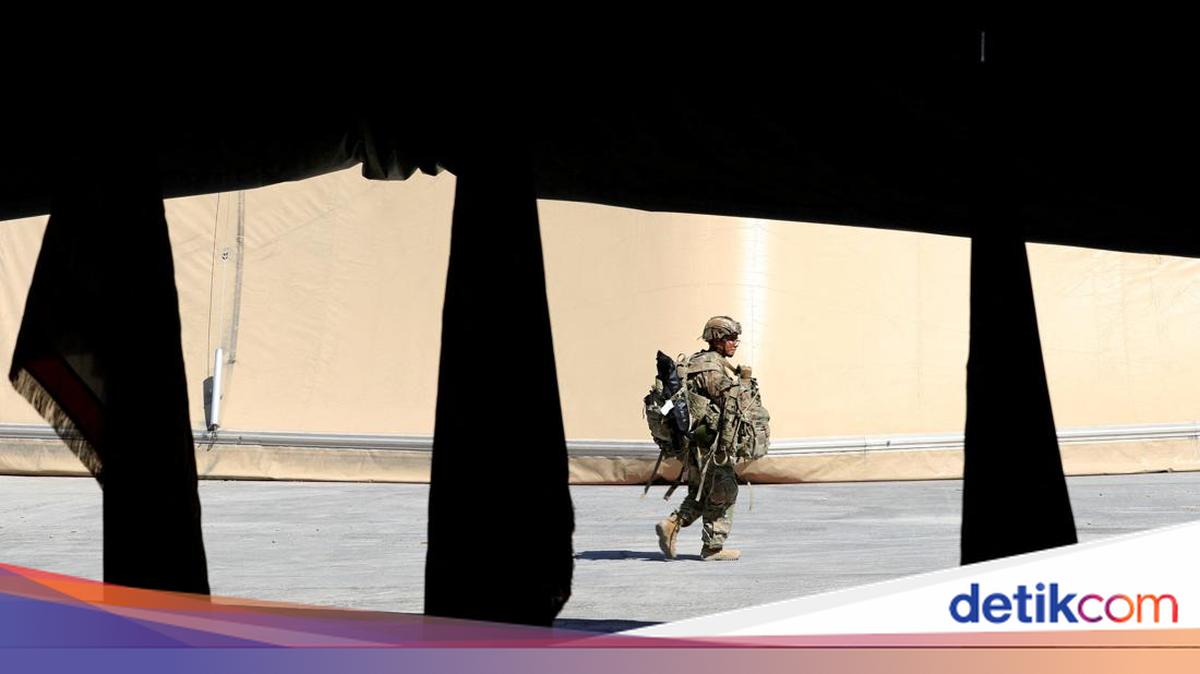
The US-led military coalition has officially ended its mission in Iraq after being deployed for more than a decade. The military coalition saved Iraq from militant groups, particularly the Islamic State (ISIS), although its presence also triggered prolonged tensions.
Coalition forces were deployed to Iraq and Syria in 2014 to combat ISIS, which at the time controlled strategic territories in both countries and committed massacres and atrocities. ISIS was defeated in Iraqi territory in 2017 and in Syrian territory in 2019. However, the US-led coalition forces remained to combat the remnants of the militant group.
Baghdad and Washington agreed to end the coalition forces’ mission in 2024. Coalition personnel have begun withdrawing gradually from various bases across the Iraqi territory, such that their presence is now limited only to the autonomous Kurdistan region in the north of the country.
The final withdrawal of the US-led coalition forces from Iraq, as reported by AFP on Wednesday (30/9/2026), was scheduled to take place on Wednesday (30/9) local time.
The Iraqi government believes that this withdrawal of coalition forces removes the pretext that has long been used by influential, Iran-backed militant factions to maintain their weaponry.
Iraqi Prime Minister Ali al-Zaidi announced that 1 October—the day after the departure of the US coalition forces—should be commemorated as Sovereignty Day.
“This is a national moment that affirms the completion of Iraq’s journey towards sovereignty and strengthens the existence of the state and its institutions,” stated a joint declaration from Iraq’s executive, legislative, and judicial leaders.
They added that “the presence of weapons outside the control of state authorities must be addressed… in accordance with the schedule set by the government, in a manner that strengthens state sovereignty.”
Al-Zaidi, who has been in office since this year with US approval, is determined to strengthen the state’s monopoly on weaponry and ensure that armed factions in Iraq surrender their weapons to the state.
During the battles against ISIS, both the US-led coalition and Iran-backed armed factions fought against the militant group, which was a common enemy. However, after the defeat of ISIS, the presence of the coalition forces became a source of prolonged dispute in Iraq.
These armed factions demanded the withdrawal of US forces and began attacking them with drones and missiles, which triggered US retaliation, resulting in the deaths of several faction commanders over the past few years.