
US Launches Three Waves of Attacks on Iran in a Week
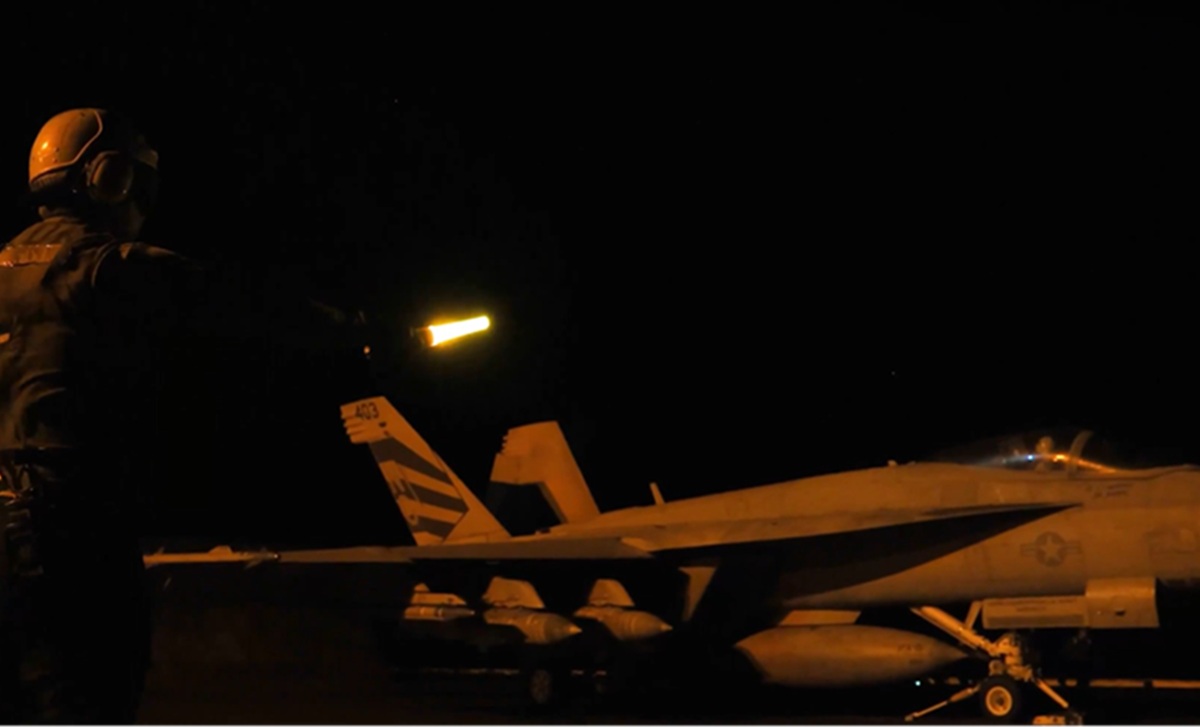
The United States Central Command (CENTCOM) announced that it had launched its latest military strike against Iran on Sunday (12/7), amid rising tensions between the two countries over the situation in the Strait of Hormuz.
In a statement on the social media platform X, CENTCOM said the operation began at 5.00 pm Eastern Time (ET) and was aimed at degrading Iran’s military capabilities.
“At 5.00 pm ET today, CENTCOM forces began conducting additional strikes against Iran to degrade their ability to attack civilian sailors and commercial vessels transiting freely through the Strait of Hormuz,” the CENTCOM statement read.
CENTCOM said the operation was carried out on the direct orders of US President Donald Trump. According to the US military, the move was taken to hold Iranian forces accountable.
The attack forms part of a series of escalations that began on 7 July. Over the past week, the United States has launched three waves of strikes on Iranian territory.
On Saturday (11/7), CENTCOM claimed to have struck around 140 Iranian military targets. The operation’s targets included missile and drone sites, ammunition depots, military communications networks and surveillance facilities in coastal areas.
Iran responded by attacking a number of American military installations across the Middle East, including in Jordan, Bahrain, Kuwait, Qatar and Oman.
The latest escalation began after Iran fired on commercial vessels passing through the Strait of Hormuz and then announced the closure of the strategic shipping lane until further notice.
The US government considers Iran’s actions in the Strait of Hormuz to be a violation of the memorandum of understanding (MoU) agreed by the two countries in June.
That agreement was designed to halt all hostile actions immediately and permanently, and to serve as the basis for further negotiations to end the conflict.
Nevertheless, discussions on the status of the Strait of Hormuz remain the main sticking point in negotiations between the two countries.
The waterway is one of the most important energy routes in the world, with around 20 per cent of global oil and liquefied natural gas trade passing through the region. (Anadolu/Z-2)
President Donald Trump became embroiled in a verbal exchange with CNN journalist Jake Tapper when questioned about Iran’s closure of the Strait of Hormuz, amid news of the death of Lindsey Graham.
Tensions rose after US Central Command forces launched airstrikes on several areas of Iran on the orders of President Donald Trump.
He emphasised that Iran’s armed forces would resolutely defend the rights of the Iranian people in the Strait of Hormuz.
Baghaei also added that the future management of the Strait of Hormuz must be determined through consultation between Iran and Oman, taking the situation into account.
The IRGC Navy closed the Strait of Hormuz following tensions involving commercial vessels and retaliatory attacks on American assets in the region.