
US-Iran War De-escalation Could Reduce Energy Subsidy Budget, Says Finance Minister
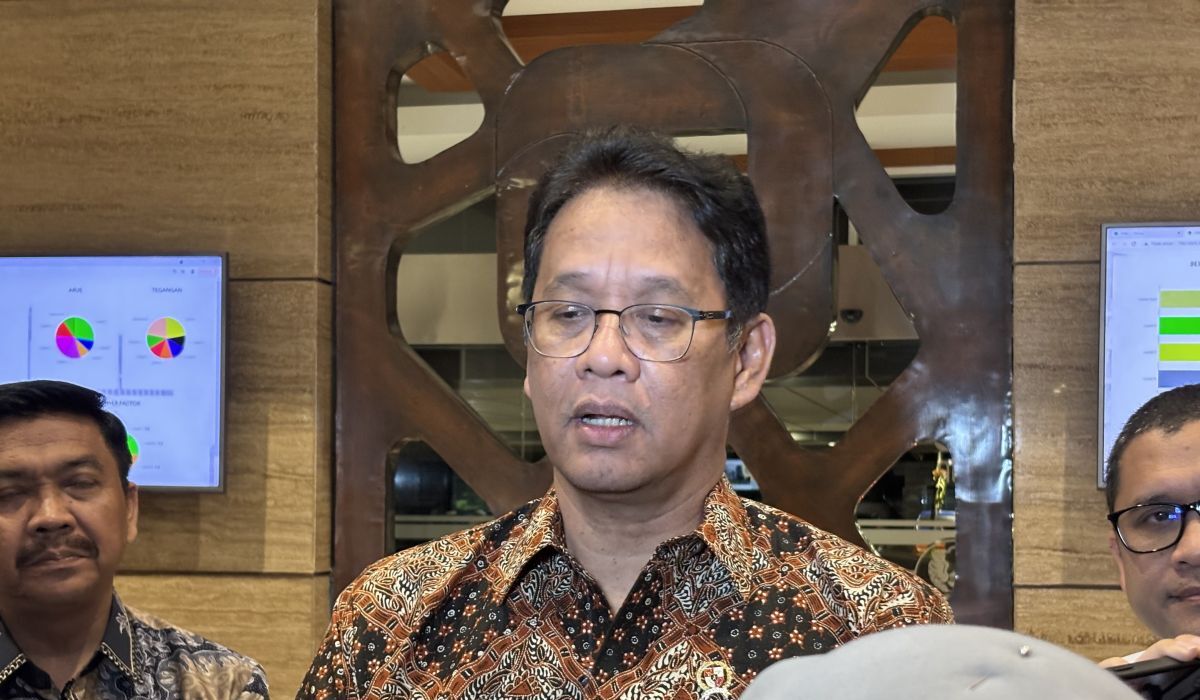
Finance Minister Purbaya Yudhi Sadewa has stated that the end of the conflict between the United States (US) and Iran has the potential to reduce the required energy subsidy budget within the state budget (APBN).
Previously, the government estimated that energy subsidy requirements could swell by up to Rp90 trillion to Rp100 trillion due to rising global oil prices triggered by the conflict in the Middle East. However, the easing of tensions between the US and Iran is expected to reduce pressure on global oil prices, thereby allowing subsidy requirements to be suppressed.
“We had already set aside part of the budget for subsidies. Therefore, (the impact of the Iran-US peace agreement) will significantly reduce (the subsidy budget),” said P/urbaya in Jakarta on Monday (15/6).
With the latest developments regarding the US-Iran peace plan, Purbaya noted that the use of the state budget could be optimised. The fiscal space previously prepared to anticipate energy price surges due to the war is expected to be reallocated to support various other priority programmes of the government.
“This will provide financing for other programmes considered important by the President,” said the state treasurer.
Nevertheless, the government will continue to closely monitor situational developments before deciding on a budget adjustment scheme. “So, we will see what (the potential) is and then we will adjust,” explained Purbaya.
It is reported that Iran has announced the finalisation of a peace agreement with the United States, which serves as the basis for the cessation of war and military operations on all fronts, including Lebanon. The announcement was made by the Secretariat of the Supreme National Security Council of Iran (SNSC) on Monday (15/6).
Iran stated that a memorandum of understanding (MoU) with the United States has been finalised to end the war and military operations across all fronts. The official signing is scheduled to take place on 19 June in Switzerland. Furthermore, the naval blockade against Iran is set to be completely lifted in accordance with the terms of the agreement.
The SNSC stated that Iran has passed through a difficult and intensive negotiation phase with the support of the people and the nation’s defence apparatus. The draft MoU regarding the cessation of war was also completed on 15 June.
The SNSC announcement follows confirmations from Iranian Deputy Foreign Minister Kazem Gharibabadi and Pakistani Prime Minister Shehbaz Sharif that a cessation of war agreement has been reached. US President Donald Trump also welcomed the development via the Truth Social platform, expressing his approval for the lifting of the blockade of the Strait of Hormuz in Iran.
If the implementation of the agreement proceeds as planned, the move could serve as a critical turning point in efforts to de-escalate the conflict that has shaken the Middle East region and triggered volatility in global energy markets over recent months.
Source: jawawa.id (https://jawawa.id/newsitem/us-iran-war-de-escalation-could-reduce-energy-subsidy-budget-says-finance-minister-1781542236)
Originally published by Media Indonesia (https://mediaindonesia.com/ekonomi/900840/perang-as-iran-mereda-purbaya-sebut-anggaran-subsidi-energi-bisa-berkurang), translated from Indonesian