
US-Iran War De-escalates as Tehran Declares Victory
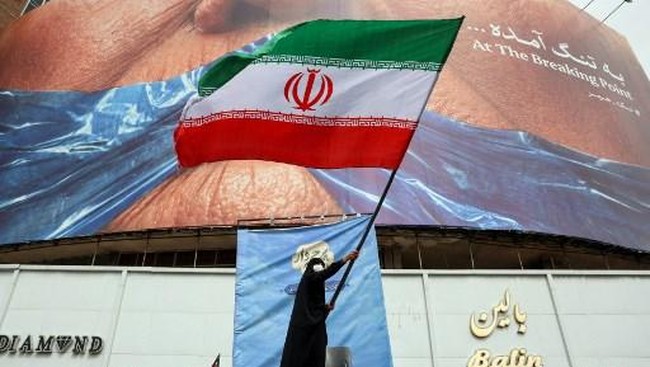
Iran has declared victory over the United States, with officials in Tehran stating that a newly signed memorandum of understanding represents a diplomatic triumph achieved through strength and proof that Washington failed to meet its military goals.
Iran and the US agreed to a 14-point document on Wednesday evening, with US President Donald Trump and Iranian President Masoud Pezeshkian providing digital signatures remotely. America initially remained silent in its public response. The White House did not publish the final text of the memorandum, although an unnamed senior US official read the 14-point document to reporters after days of criticism over the secrecy surrounding the deal.
"The agreement is a record of America’s failure," said Iranian Parliament Speaker and chief negotiator Mohammad Ghalibaf, describing the memorandum as evidence of US capitulation in a television interview. "People will see it and judge it," he added.
Tehran contends the document reflects a series of concessions by Washington, including the lifting of the US naval blockade of Iran in the Strait of Hormuz, sanctions relief on Iranian oil exports, access to frozen Iranian funds, and a US-backed economic reconstruction plan worth at least $300 billion. Washington also agreed not to impose new sanctions or deploy additional troops to the region while both parties negotiate a final agreement.
In response, Iran will make arrangements to restore freedom of navigation through the Strait of Hormuz, something that was not an issue prior to the US-Israeli attacks. However, Tehran has signalled that the key waterway will not return to its pre-war status. "I emphasise again that the Strait of Hormuz will never return to its previous conditions," Ghalibaf said. "Iran has sovereign rights over the Strait of Hormuz, and of course, we will receive payment for that service."
Foreign Ministry spokesman Esmaeil Baghaei added that a framework is being developed to manage the Strait of Hormuz, with consultations already held with Oman as outlined in the MOU. Tehran also highlighted the memorandum’s language regarding Lebanon, stating that continued attacks by the Israeli regime would be considered a violation of the other party’s commitments under the memorandum.
The 14-point US-Iran agreement is not a final peace treaty. It launches a 60-day negotiation period during which Washington and Tehran are expected to discuss Iran’s nuclear programme, sanctions relief, frozen assets, the future management of the Strait of Hormuz, and a final settlement to be endorsed by the UN Security Council.