
US-Iran War Claims New Victim: Japanese Cars
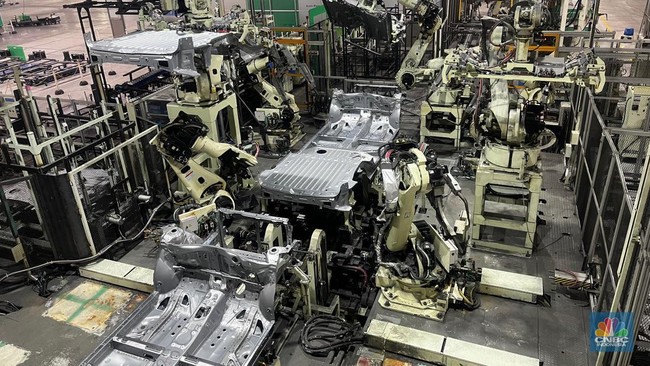
Japanese car manufacturers are considered vulnerable to the impact of the war between the United States and Iran. Although Toyota, Honda, and Nissan benefited in their latest quarterly financial reports from the current weakness of the yen, external conditions are reportedly not necessarily supportive going forward.
Analysts assess that the ongoing conflict in the Middle East could create problems. Senior equity analyst at Morningstar, Vincent Sun, warned of potential further disruptions to supply chains as well as rising costs.
“The Strait of Hormuz and the Red Sea are extremely important shipping lanes for Japanese car manufacturers, because these cars depend on aluminium as well as petrochemical materials such as naphtha to produce vehicles,” he said.
Senior analyst at Bernstein, Masahiro Akita, expressed a similar view. According to him, the most significant obstacle to car manufacturers’ profits is the surge in raw material costs, which is being exacerbated by the ongoing Middle East conflict.
“Inflation in various key components, including naphtha and resins linked to oil prices, memory chips, and industrial metals such as aluminium, copper, and steel, is having a broad negative impact on industry profitability,” he added.
Meanwhile, the yen’s weakness, which is currently an advantage, is also raising concerns. It should be noted that the US Treasury Department and Japan’s Ministry of Finance previously coordinated an intervention to buy yen in early August, after the yen fell to its lowest level in 40 years, breaching 163 yen per US dollar.
“If the government intervention aims to strengthen the yen, this will have a negative impact on Japanese car manufacturers,” Sun added.
A stronger yen would force car manufacturers to choose between raising vehicle prices in overseas markets or accepting pressure on operating profits due to the declining value of earnings repatriated from abroad. If they raise prices, this could potentially lead to a loss of market share.
“A 1% change in the yen generally affects the operating profit of Japanese car manufacturers by around 2%,” Akita said, while emphasising that sensitivity varies among manufacturers and can reach around 4% for some companies.
Meanwhile, US-Iran tensions continue. Yesterday, US President Donald Trump threatened to bomb Oman.
Trump said this would happen if “Washington feels the country is obstructing its efforts to end the US-Israel war against Iran”. The threat was reportedly made while Iran and Oman were holding a series of negotiations regarding the Strait of Hormuz.
Source: jawawa.id (https://jawawa.id/newsitem/us-iran-war-claims-new-victim-japanese-cars-1787025115)
Originally published by CNBC Indonesia (https://www.cnbcindonesia.com/news/20260818083527-4-760169/perang-as-iran-makan-korban-baru-mobil-jepang), translated from Indonesian