
US-Iran War Causes Hundreds of Trillions in Losses for Global Companies, Driven by Oil Prices
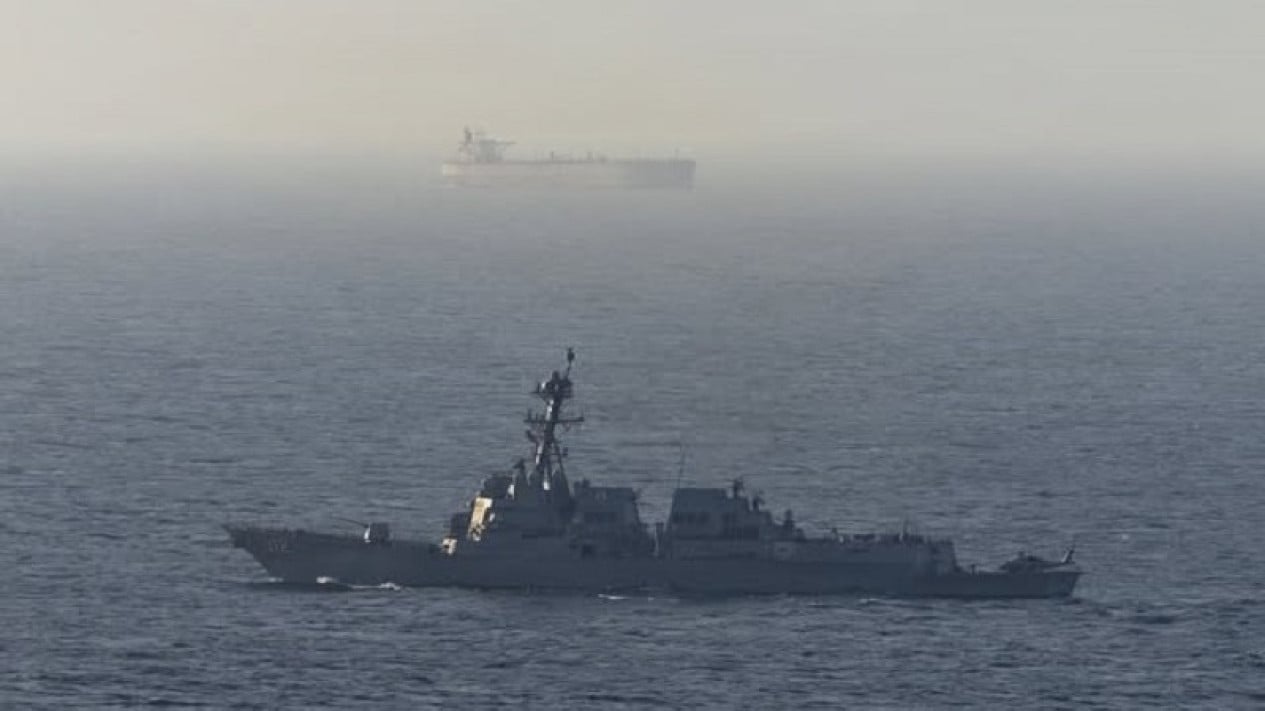
The war between the United States, Israel, and Iran is reported to have burdened global companies by more than US$25 billion (approximately Rp440 trillion at an exchange rate of Rp17,600), with losses expected to continue rising. Hundreds of companies across the United States, Europe, and Asia are reportedly feeling the direct impact of the Middle East conflict, ranging from increased energy costs and disrupted supply chains to declining consumer demand.
Based on a Reuters analysis of corporate reports since the conflict began, at least 2t79 companies have taken emergency measures to mitigate the financial impact of the war. These measures include raising product prices, cutting production, suspending dividend payments, delaying share buybacks, reducing headcount, increasing fuel surcharges, and seeking government assistance. The conflict has further exacerbated global business conditions that were already strained by the Covid-19 pandemic and the Russia-Ukraine war.
Whirlpool CEO Marc Bitzer stated that the current industrial slowdown resembles a global financial crisis. “The rate of industrial decline is similar to what we saw during the global financial crisis and even higher than during some other recessionary periods,” he said, as quoted by Reuters on Monday, 18 May 2026.
According to Bitzer, consumers are now opting to repair old goods rather than purchasing new products. “Consumers are holding back on replacing products and are choosing to repair them instead,” he noted.
The rise in oil prices has been one of the most significant impacts of the Iran conflict. The potential closure of the Strait of Hormuz by Iran has caused global oil prices to surge above US$100 per barrel, an increase of more than 50 per cent compared to pre-war levels. This situation has triggered a spike in shipping costs, disrupted raw material supplies, and severed global trade routes. The supply of fertiliser, helium, aluminium, polyethylene, and various other industrial raw materials has also been affected.
Several major companies, including Procter & Gamble and Toyota, as well as the Malaysian condom manufacturer Karex, have warned of increasing financial impacts due to the war. The aviation sector has been the most heavily impacted, with total additional costs reaching nearly US$15 billion due to jet fuel prices nearly doubling. Toyota estimates the Iran war could hit the company by up to US$4.3 billion, while Procter & Gamble expects its after-tax profits to be pressured by approximately US$1 billion.