
US-Iran Tensions Flare Over Hormuz Incident and MOU Implementation, Israel Strikes Arab State
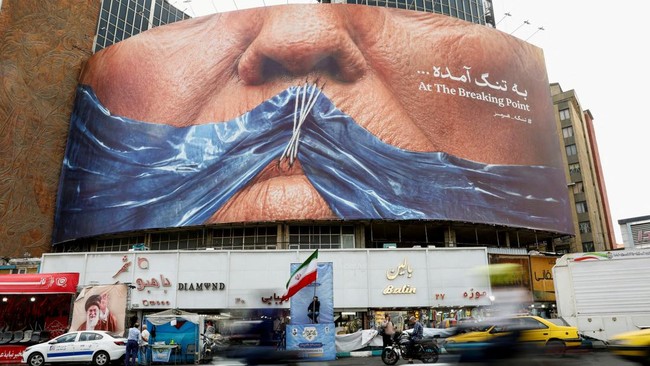
The United States and Iran are locked in renewed tensions after a weekend of mutual accusations threatened a fragile ceasefire. On Friday, the US reported that Iran had attacked a ship in the Strait of Hormuz, an incident that followed the International Maritime Organization’s (IMO) announcement of vessel evacuations in the area, a move Tehran did not acknowledge and responded to with threats of further attacks.
On Saturday, US President Donald Trump issued a warning via his Truth Social platform, stating that Washington might be forced to take further military action if Tehran continued its assaults. However, by Monday, Trump signalled a potential diplomatic opening, claiming on social media that Iran had requested a meeting in Doha, Qatar, scheduled for Tuesday.
Iran has firmly denied that any negotiations are planned with the United States in the coming days. Foreign Ministry spokesman Esmaeil Baghaei stated that Tehran remains focused on implementing the existing Memorandum of Understanding (MOU) signed by the two parties, rather than transitioning to new talks. He noted that the US has issued necessary licences related to Clause 10 of the MOU, which covers the sale of Iranian oil, and that work is underway on Clause 11, concerning the release of frozen Iranian assets. Baghaei confirmed that an expert delegation from Iran would travel to Doha later this week in this context, but stressed that discussions on a final agreement cannot begin until specific clauses of the MOU are fully implemented.
Meanwhile, maritime traffic through the Strait of Hormuz remains subdued. According to MarineTraffic data, just over two dozen commercial vessels transited the strait in the last 24 hours, a rate consistent with the recent slowdown. This figure is significantly lower than the pre-war average of approximately 110 vessels per day. The strait has also been subject to intense GPS spoofing in recent months, causing vessels’ broadcast positions to appear in incorrect locations, though this interference has noticeably decreased recently.