
US-Iran Tensions Escalate: Trump Reimposes Naval Blockade, Iran Strikes Tankers and Allied Bases
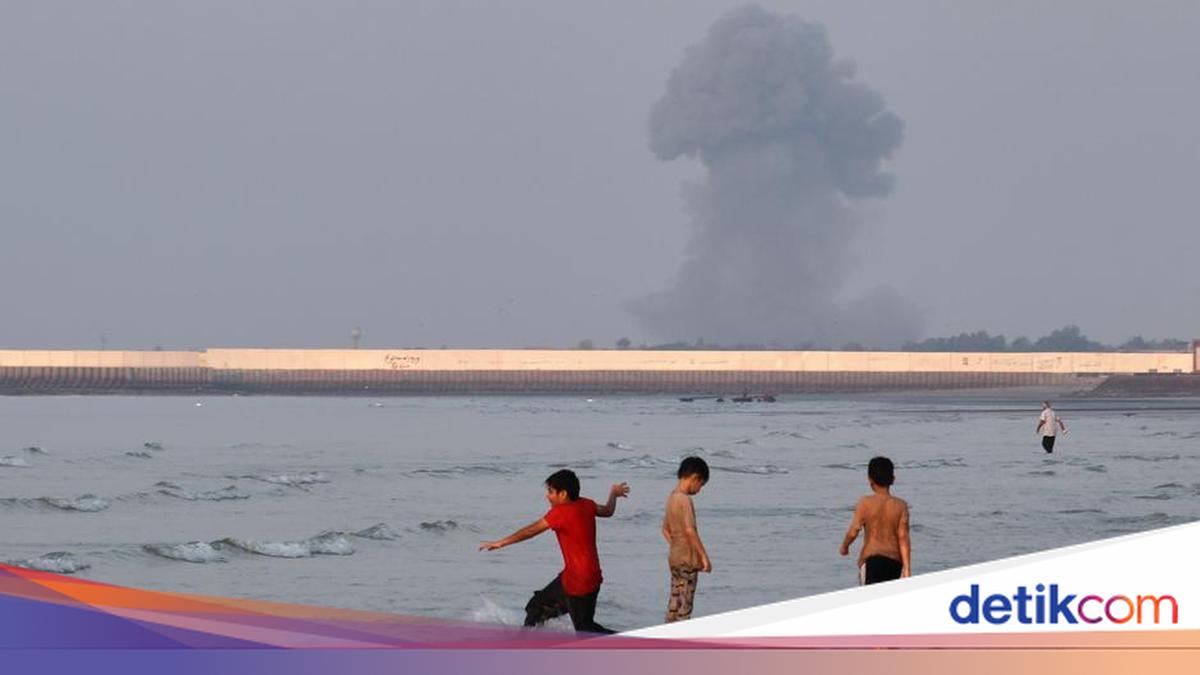
The United States has launched a third consecutive night of airstrikes against Iranian military targets, as President Donald Trump announced the reimposition of a naval blockade on Iran. The escalation comes amid rising tensions in the Gulf following a series of attacks on tankers, military bases, and strategic infrastructure.
Washington stated the latest operations aimed to degrade Iran’s ability to threaten commercial shipping in the Strait of Hormuz. The US Central Command (CENTCOM) confirmed that the strikes targeted coastal defence systems, missile and drone launch sites, and maritime capabilities in Bushehr and Chabahar. CENTCOM emphasised that more than 50,000 US personnel remain deployed across the Middle East.
President Trump, in an interview with radio host Hugh Hewitt, warned that the strikes would continue. He also revealed that Iran’s Pickaxe Mountain facility, located near the Natanz nuclear complex, was under close surveillance and could be a future target.
In retaliation, Iran’s Islamic Revolutionary Guard Corps (IRGC) claimed it had disabled two supertankers in the Strait of Hormuz for ignoring warnings. The UAE reported that the Mombasa and Al Bahiyah tankers were struck by Iranian cruise missiles in Omani waters, killing one Indian crew member and injuring eight others. India has summoned Iran’s deputy ambassador over the death of its citizen.
Iran also launched missile and drone attacks against what it described as US military sites in Bahrain, home to the US Navy’s Fifth Fleet. Bahrain confirmed intercepting several projectiles aimed at civilian areas. Jordan reported intercepting four missiles fired at a US base on its territory, while Iran called on Jordanians to dismantle American bases in their country. Meanwhile, Yemen’s Houthi rebels claimed responsibility for a missile and drone attack on Saudi Arabia’s Abha International Airport, citing retaliation for strikes on Sanaa.
The intensifying confrontation has rattled global energy markets, with Brent crude prices climbing over 2 percent to near USD 85 per barrel. Analysts noted that while the Strait of Hormuz remains open, the combination of military operations, tanker attacks, and the US blockade policy has injected significant uncertainty into global trade and energy supply stability. Within Iran, the volatile mix of military action and diplomatic manoeuvring is fuelling prolonged public anxiety amid economic pressure and fears of further violence.