
US-Iran Talks Begin in Switzerland as Hormuz Strait Closed Again
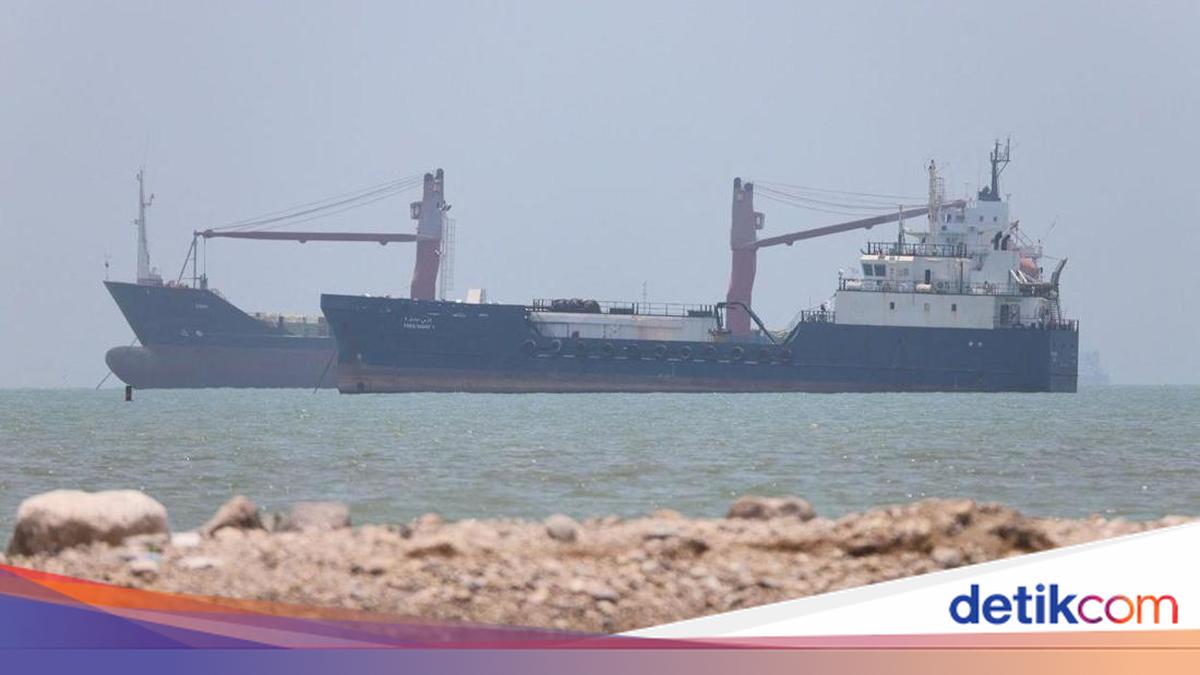
Negotiations between the United States and Iran were scheduled to begin in Switzerland on Sunday (21/06), even as the Iranian military announced it had again closed the Strait of Hormuz in response to Israeli strikes in southern Lebanon. The US military denied the claim, stating that “traffic continues to flow.” Iran said the strait was closed as a response to deadly Israeli airstrikes in Lebanon, which it considered a violation of the agreement between Tehran and Washington DC to end the war. On Saturday (20/06) evening, US Vice President JD Vance departed Washington DC for Switzerland. Vance said he hoped to make progress “on the nuclear topic” and on the “ceasefire topic in Lebanon.” Speaking to the press before boarding his plane, he was asked about the clashes between Israel and Hezbollah and the Israeli airstrikes in southern Lebanon. He said: “Things are actually starting to improve there, and the situation has slowed down a bit. This is something we have to continue to manage to ensure that both Israel and Lebanon are safe and secure. That is the main goal of this, to make the whole region safe and stable.” The Iranian delegation, which includes Parliament Speaker Mohammad Bagher Ghalibaf and Foreign Minister Abbas Araghchi, had arrived earlier. Iranian foreign ministry spokesman Esmail Baghaei said his country would “demand the other side fulfil its commitments.” Pakistan’s Prime Minister Shehbaz Sharif will attend the talks, according to his office, which informed the BBC. Pakistan has acted as a mediator throughout the conflict and previously hosted negotiations between the US and Iran. Earlier this week, the US and Iranian presidents signed a preliminary agreement aimed at ending the war, including in Lebanon, with immediate effect. The agreement includes a commitment to hold follow-up talks to reach a final deal within the next 60 days. Israel and Hezbollah agreed to a ceasefire on Friday (19/06), a US official said. The announcement came after a barrage of Israeli airstrikes in southern Lebanon that killed 47 people. The latest deal was reached amid concerns that continued clashes, including a Hezbollah attack that killed four Israeli soldiers in Lebanon, could undermine the agreement to end the war between the US and Iran. The Israeli military confirmed that a ceasefire had been implemented. However, shortly afterwards, a spokesman stressed that its forces would “continue to move to eliminate immediate threats.” Hezbollah itself has not yet provided official confirmation of the ceasefire. Nevertheless, Hezbollah Secretary-General Sheikh Naim Qassem stated that “the plan to eliminate Hezbollah has failed.” A search and rescue team in the city of Nabatieh told the BBC that at least 12 airstrikes had occurred since the ceasefire was declared effective at 16:00 local time. This deadly escalation is a strong signal that Donald Trump does not fully control the fate of the deal he initiated with Iran. The memorandum of understanding (MoU) actually stipulates a ceasefire in Lebanon, as well as between the US and Iran. However, the reality on the ground speaks otherwise. This situation prompted Tehran to accuse Trump of failing to rein in his close ally, Israel. Trump himself heated up the situation through a series of accusations he levelled at his ally, Israeli Prime Minister Benjamin Netanyahu. Trump said Netanyahu had slaughtered civilians senselessly in his efforts to fight Hezbollah. The renewed tensions overnight in southern Lebanon further complicate the matter. While the White House insists a ceasefire is underway, Israel’s far-right National Security Minister Itamar Ben Gvir responded to the deaths of the Israeli soldiers with a harsh statement. “Lebanon must be burned… For every tear of an Israeli mother, 1,000 Lebanese mothers must cry,” he wrote. Responding to this, Iranian Foreign Minister Abbas Araghchi accused Israel of wanting “eternal war.” He stressed that any violation of the commitments set out in the memorandum of understanding “will be held as the responsibility of the US.” Trump’s deal relies heavily on each side’s ability to restrain their hardline factions and show self-control, something that currently appears almost non-existent on the ground. Netanyahu continues to face domestic pressure to continue military operations against Hezbollah. Meanwhile, the Iran-backed group insists it will continue attacks as long as the Israeli invasion of southern Lebanon persists. Following the latest ceasefire announcement, Israeli military spokesman Effie Defrin stressed that Israel would “continue to eliminate existing threats, respond to any Hezbollah violations, and do whatever is necessary to protect our civilians.” On Friday, Hezbollah Secretary-General Sheikh Naim Qassem declared that “the plan to eliminate Hezbollah has failed, and Israeli forces will withdraw from every inch of our land.” Fierce fighting erupted again when Hezbollah claimed to have ambushed a column of Israeli troops in southern Lebanon. They destroyed three tanks using guided missiles and pounded enemy forces with rockets and artillery. A battalion commander was among the four Israeli soldiers killed. The Lebanese Health Ministry reported that Israeli airstrikes killed 47 people, including women and children, and wounded 97 others. In the Nabatieh region, casualties were spread across several locations.