
US-Iran Set for Face-to-Face Talks in Muslim Nuclear Nation, Will the War End?
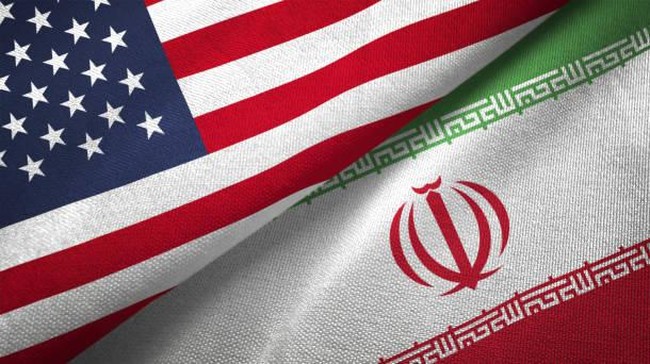
A surprising development has emerged from the Middle East after the Iranian government expressed its readiness to sit at the negotiating table with the United States (US). This high-level meeting is scheduled to begin in Islamabad, Pakistan, on Friday (10/04/2026) to discuss a peace resolution amid peaking tensions.
Citing an Al Jazeera report on Wednesday (08/04/2026), the agreement to meet came after Iran approved a two-week ceasefire with Washington. Iran’s National Security Council emphasised that the negotiations will be based on the 10-point proposal submitted by Tehran to the US side.
This diplomatic step was taken shortly after US President Donald Trump stated that he was postponing military threats against Iran. Trump officially announced the suspension of attacks on Iranian territory for two weeks to allow an opportunity for dialogue.
“The United States has met and exceeded all of its military objectives, and we have come very far towards a definitive agreement for long-term peace with Iran,” Trump said via his official Truth Social account.
The US President revealed that his side has received Iran’s 10-point proposal and believes the document provides a viable foundation for work. Trump noted that the two countries have agreed on nearly all points of contention, and the two-week ceasefire period will be used to finalise and implement the agreement.
In response, Iran’s Foreign Minister Abbas Araghchi, representing the National Security Council, confirmed the commitment to halt armed contact. Araghchi stated that if the US commits to stopping aggression, Iran’s military will withdraw from its defensive operations.
“If attacks on Iran are halted, our mighty armed forces will cease their defensive operations,” Araghchi asserted in a post on social media platform X.
Araghchi also guaranteed that safe navigation in the Strait of Hormuz will be reopened under coordination by Iran’s Armed Forces. According to him, the decision to negotiate on Friday was made because Trump has accepted the general framework of the proposal submitted by Tehran as the basis for talks.
The mediator, Pakistan’s Prime Minister Shehbaz Sharif, welcomed the news and affirmed that a comprehensive ceasefire will take effect immediately, including in other conflict areas such as Lebanon. Sharif hopes that the meeting in his country will permanently end all forms of disputes between the two parties.
“This step is effective immediately. We invite delegations from both sides to Islamabad on Friday, 10 April 2026, for further negotiations towards a conclusive agreement to resolve all disputes,” Sharif said in his statement on X.
In detail, Iran’s 10-point proposal demands full control over the Strait of Hormuz, the withdrawal of US combat troops from the Middle East, and the lifting of all international sanctions. Additionally, Tehran is urging compensation for war damages and the release of Iran’s frozen assets abroad.
Although agreeing to the Friday meeting, Iran’s National Security Council emphasised that it remains in a state of high alert. They stated that this diplomatic process is being conducted with full vigilance regarding Washington’s intentions at the negotiating table.
“Tehran agrees to these talks with full distrust of the American side. Iran remains ready to respond with full force if the enemy makes the slightest mistake,” read the firm statement from Iran’s National Security Council.