
US-Iran Peace Deal, Purbaya Reveals Surprising Effect on Fuel Subsidy Budget
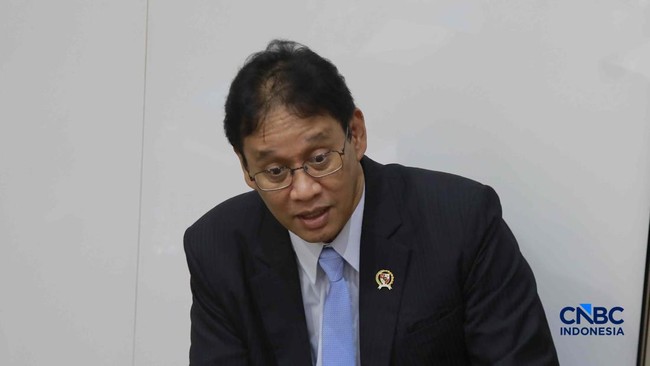
Finance Minister Purbaya Yudhi Sadewa has revealed the positive impact of the peace agreement between the United States (US) and Iran on the fuel subsidy burden in the 2026 State Budget (APBN). According to him, the peace deal will increasingly reduce the APBN burden related to energy subsidies, which had swelled in recent months due to the rise in global crude oil prices triggered by the war between the two nations. “Because previously part of our concern was set aside for subsidies, I think with this it will be much reduced,” Purbaya said when met at the DPR complex in Jakarta on Monday (15/6/2026). He confirmed that with the potential reduction in the energy subsidy burden, particularly for fuel, fiscal space for development in line with President Prabowo Subianto’s priority programme policies is reopened. “So there is room or we can make adjustments to provide financing for programmes deemed important by the president,” Purbaya stated. “So we will see how things develop and then we will adjust everything,” he stressed. As is known, the United States and Iran have reportedly reached an agreement to end the conflict that has lasted for several months. The news was announced directly by US President Donald Trump and Pakistani Prime Minister Shehbaz Sharif, who acted as a mediator in the negotiation process. According to both leaders, the peace agreement is scheduled to be officially signed in Switzerland this coming Friday. Trump even stated that all points of the agreement with Tehran have been completed and are ready to be finalised at the signing. “The deal with the Islamic Republic of Iran is now complete,” Trump wrote via the Truth Social platform on Sunday local time. Meanwhile, Sharif, who acted as a mediator in the negotiations, said the pact includes a permanent cessation of military operations on all conflict fronts. “Immediate and permanent cessation of military operations on all fronts, including in Lebanon,” Sharif wrote in his post on platform X. Although the final details of the agreement have not been published, several sources familiar with the negotiation process said the deal will reopen the Strait of Hormuz, the vital global energy trade route that has been affected by the conflict for months. In addition, the US naval blockade of Iranian ports will also be ended. “Ships of the world, start your engines. Let the oil flow!” Trump wrote, referring to the potential normalisation of global energy trade flows. Reuters sources previously revealed that the draft agreement includes the reopening of the Strait of Hormuz, the cessation of the US maritime blockade, and an extension of the ceasefire. The issue of Iran’s nuclear programme will be discussed further in additional negotiations over the next 60 days.