
US-Iran Peace Deal Details Emerge: Strait of Hormuz to Reopen
Details of a temporary agreement between the United States and Iran to end the conflict in the Middle East began to emerge on Tuesday (16/6). The agreement is scheduled to be signed in the form of a memorandum of understanding (MoU) in Switzerland on Friday (19/6). The deal is expected to extend the ceasefire previously announced in April for an additional 60 days. This step is intended to give Washington and Tehran time to finalise discussions towards a more permanent peace agreement. US President Donald Trump stated that one of the main objectives of the agreement is to ensure Iran does not possess nuclear weapons. Meanwhile, a senior US official said the agreement would allow Iran to sell its oil again immediately after the document is signed.
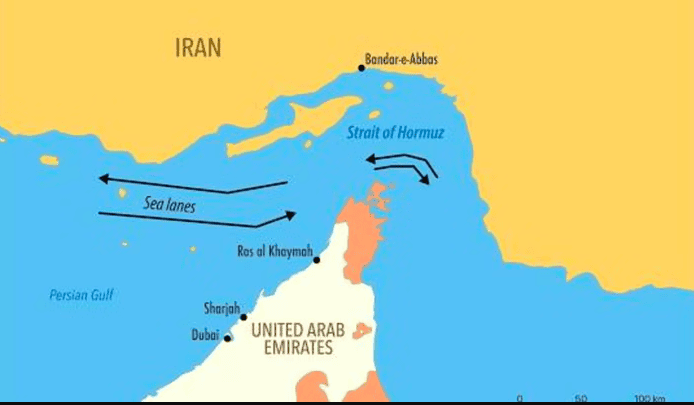
A key point in the MoU is the reopening of trade and shipping routes that have been affected by the conflict. Under the draft agreement, the United States will end its blockade of Iranian ports. In return, Iran will restore security and the smooth passage of oil tankers and other maritime activities in the Strait of Hormuz, one of the world’s most strategic energy trade routes. In a separate statement, US Vice President JD Vance indicated that the agreement also encompasses Israel and Lebanon, though this has led to differences of opinion with the Israeli government. Israeli Prime Minister Benjamin Netanyahu previously asserted that his country is not bound by the agreement and has no plans to withdraw troops from southern Lebanon. Meanwhile, a Hizbullah spokesperson stated that the group believes Iran will not agree to a permanent peace deal as long as the occupation continues.
Beyond security aspects, the agreement carries significant economic implications for Iran. A senior US official mentioned that the deal would reopen Iran’s access to global energy markets, including the sale of oil and fuel. The agreement also includes support for the banking, transport, and insurance sectors necessary to facilitate Iranian exports once sanctions are eased. Officials from both countries assess that the agreement could provide substantial economic benefits through the lifting of a number of international sanctions and the release of Iranian assets currently frozen abroad. Additionally, there is the possibility of establishing a USD 300 billion reconstruction fund financed by Gulf states, which host several US military bases and have been affected by Iranian attacks during the conflict. However, this fund will only be realised if Iran meets additional requirements outlined in the agreement.
Over the next 60 days, negotiators from both sides will revisit several highly sensitive issues, particularly the future of Iran’s nuclear programme. This issue has been under discussion between Tehran and the Trump administration since February, before negotiations stalled due to the outbreak of conflict. Notably, two issues previously used by Trump and Israeli Prime Minister Benjamin Netanyahu to justify military action against Iran are not on the current agenda: Iran’s support for militia groups in the Middle East and its ballistic missile development programme. The nuclear issue itself is not new in US-Iran relations. In 2015, Iran signed a nuclear deal with the US and other major powers that significantly limited Tehran’s uranium enrichment activities. However, that agreement collapsed after Trump unilaterally withdrew the United States from the deal during his first term. Following Washington’s exit, Iran increased its enrichment activities to higher levels. According to Trump, the existing stockpile of enriched uranium must be removed or destroyed as part of a long-term solution to end the nuclear dispute. If successfully implemented, the MoU to be signed in Switzerland could serve as a first step towards broader normalisation of relations between the United States and Iran, while reducing tensions that have long affected stability in the Middle East region and global energy trade routes.
Source: jawawa.id (https://jawawa.id/newsitem/us-iran-peace-deal-details-emerge-strait-of-hormuz-to-reopen-1781689863)
Originally published by Media Indonesia (https://mediaindonesia.com/internasional/901411/kesepakatan-damai-iran-as-mulai-terungkap-selat-hormuz-akan-dibuka-kembali), translated from Indonesian