
US-Iran Peace at the Doorstep, Yet the Key Remains in Israel's Hands
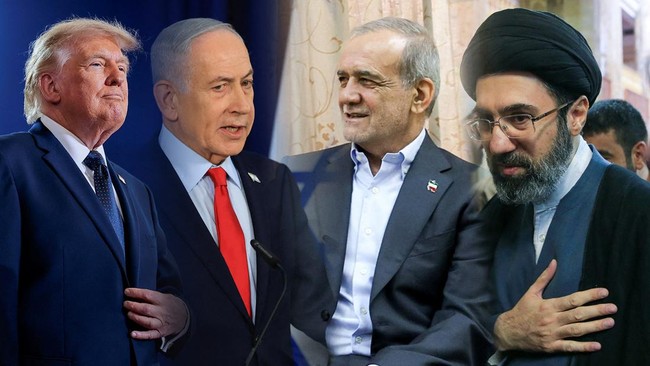
Iran has asserted that a peace agreement with the United States (US) will not be truly achieved if Israel continues to maintain its troops in territories in Lebanon occupied during the conflict. This statement emerges amidst diplomatic efforts to end tensions in the Middle East.
Iranian Foreign Minister Abbas Araghly emphasised that resolving the conflict depends not only on an agreement between Tehran and Washington but also on Israel’s actions in Lebanon. “Without the withdrawal of Israeli troops from the territories they have occupied during this war, the war has not fully ended,” Araghchi stated, as quoted by The Guardian.
This position was reinforced by a Hezbollah media relations official, who noted that Iran has provided assurances that it will continue to demand the withdrawal of Israeli forces from Lebanon during the advanced stages of negotiations with the US. This stance indicates that the issue of Lebanon remains a critical condition for Tehran in the peace process.
Simultaneously, US President Donald Trump has launched open criticism against Israeli Prime Minister Benjamin Netanyahu. During a meeting of G7 leaders, Trump suggested that Israel needs to act more responsibly regarding its military operations in Lebanon. “Israel has been fighting Hezbollah for too long and too many people have been killed. You do not need to demolish apartment buildings when you are looking for someone,” Trump remarked, describing recent Israeli strikes in Beirut as “cruel.”
Nevertheless, Trump emphasised that his personal relationship with Netanyahu remains good. He even referred to the conflict in Lebanon as merely a “pinprick” compared to the larger efforts to reach an agreement with Iran regarding its nuclear programme and regional stability.
Trump’s statements signal that Washington is beginning to lose patience with Israeli actions, which are perceived as potentially disrupting the 60-day ceasefire negotiated with Iran. Trump also admitted his dislike for the Israeli attack on Beirut, which occurred just hours before Iran was scheduled to sign a memorandum of understanding for peace.
On the ground, tensions persist. Israeli drone attacks in Lebanon have reportedly killed at least four people. One incident occurred in the village of Mayfadoun, where a vehicle was targeted before a second strike was launched as residents gathered at the scene.
Meanwhile, European nations are increasingly concerned about the sustainability of the peace plan. They are questioning the details of the memorandum of understanding that serves as the basis for reopening the Strait of Hormuz and resuming talks on Iran’s nuclear programme.
A key point of focus is the proposal for up to US$300 billion in investment from Gulf nations into Iran. These funds would be provided as an incentive if Tehran fulfils its commitment to verifiably limit its nuclear programme.
US Vice President JD Vance emphasised that such investment will only proceed if Iran dismantles its nuclear programme, ends its stockpile of enriched uranium, and allows full access to international inspection regimes. According to Vance, these funds are not grants but commercial investments intended to drive Iran’s economic recovery.
In addition to new investment, Iran also hopes that a portion of its assets frozen due to US sanctions can be released. Tehran is known to have approximately US$24 billion in assets held abroad, including around US$8 billion located in Qatar.
Iranian sources indicate that the draft agreement would still allow the country to enrich uranium for civilian purposes up to a maximum purity of 3.67%, while also providing options for the disposal of highly enriched uranium. This provision is considered vital as it maintains Iran’s right to domestic uranium enrichment, which has historically been a primary red line for Tehran in all nuclear negotiations.