
US-Iran Negotiations in Doha Remain Shrouded in Uncertainty
The United States and Iran have sent delegations to Doha, Qatar, this week amid efforts to continue negotiations towards a permanent peace agreement. However, the two sides differ on one key point: whether direct talks will actually take place.
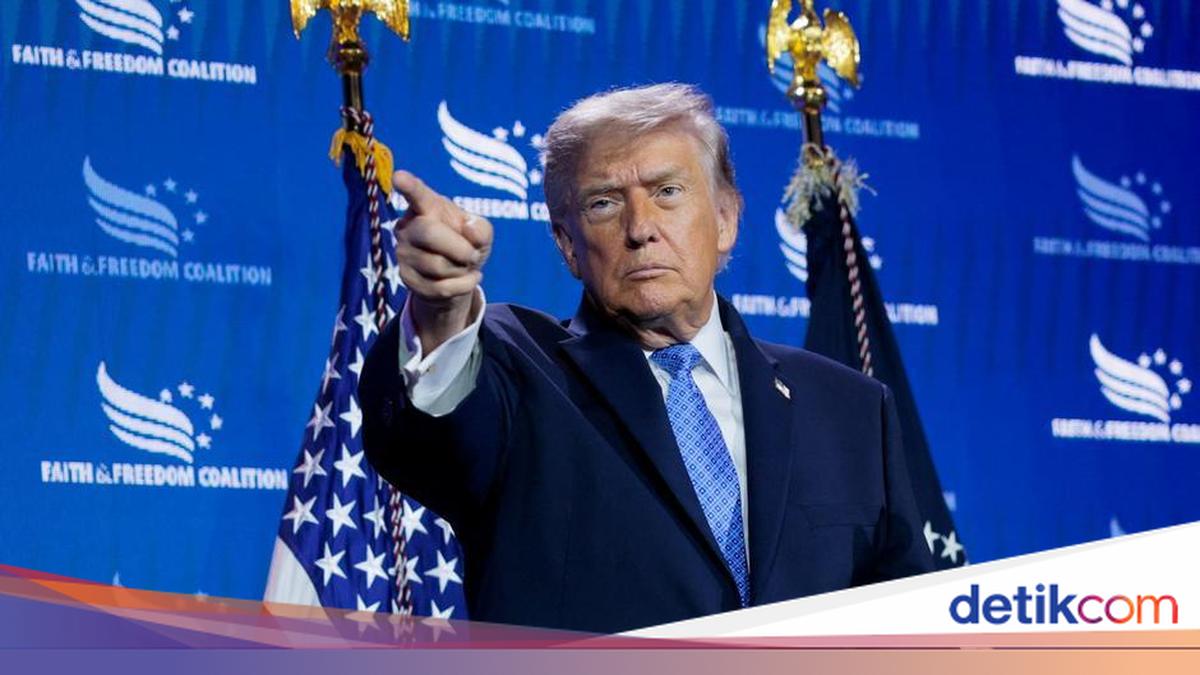
The conflicting claims from Washington and Tehran have cast doubt over the continuation of the ceasefire that ended four months of war. US President Donald Trump stated on Monday that “Iran has requested a meeting. The meeting will take place tomorrow in Doha,” writing on his conservative social media platform, Truth Social. The White House subsequently stated that special envoy Steve Witkoff, along with presidential adviser Jared Kushner, would travel to Qatar for high-level and technical discussions.
Tehran, however, denied the claim. Iranian Foreign Ministry spokesman Esmail Baghaei asserted that while an Iranian expert delegation would be in Doha this week, no negotiations with the US were scheduled. “No negotiation meeting with the American side at any level is scheduled in the coming days,” Baghaei said on Monday. Reuters reported that as of Monday, there was no certainty whether the two delegations would actually meet.
Under a memorandum of understanding announced this month, Washington and Tehran have less than 60 days to negotiate a permanent peace deal. The discussions are set to cover Iran’s nuclear programme, sanctions relief, arrangements for the Strait of Hormuz, and various post-conflict security aspects.
The implementation of the ceasefire faces significant challenges in the Strait of Hormuz, a strategic shipping lane through which roughly one-fifth of the world’s oil and liquefied natural gas trade passed before the conflict. Under the interim agreement, Iran is required to facilitate commercial shipping in accordance with international law. However, Tehran insists that management of the strait remains under its coordination with Oman and the Gulf states.
Foreign Minister Abbas Araghchi warned on Sunday that any attempt to establish shipping arrangements outside of Iran’s mechanism would worsen the situation. “Any effort to form new or separate arrangements from the current mechanism run by the Islamic Republic of Iran will only create further complications, delay the reopening of the Strait of Hormuz, and increase tensions,” he said.
These differing interpretations triggered exchanges of fire over the weekend. US Central Command stated it had struck several Iranian military targets in response to threats against commercial shipping. Iran subsequently claimed it retaliated by attacking US military bases in Kuwait and Bahrain. Although the attacks appeared to subside by Monday, the implementation of the agreement remains unclear. One contentious issue is mine-clearing operations, with Iran rejecting French involvement after Paris and Oman announced cooperation plans. Iranian Deputy Foreign Minister Kazem Gharibabadi insisted that only Iran has the authority to conduct such operations. “The situation is sensitive and complex. We strongly advise France not to further complicate matters with its provocative actions,” Gharibabadi said. Meanwhile, ship-tracking data indicates that maritime activity in the Strait of Hormuz is beginning to resume, though volumes remain below pre-war levels.
The situation in Lebanon also poses a potential obstacle to the diplomatic process. Iran maintains that a cessation of hostilities must include the withdrawal of Israeli troops from Lebanon before other issues can be addressed. Conversely, Israeli Prime Minister Benjamin Netanyahu insisted that Israeli forces would remain in southern Lebanon until Hezbollah is disarmed. “Israeli forces will remain in southern Lebanon until Hezbollah and other terrorist organisations are disarmed and no longer pose a threat to Israel,” Netanyahu said. Hezbollah leader Naim Kassem rejected this condition, calling the linkage of an Israeli withdrawal to Hezbollah’s disarmament a “very dangerous proposal.” The dispute is complicated by two different agreement frameworks: the US-Iran deal calls for a full ceasefire in Lebanon, while a separate Washington-mediated agreement between Israel and the Lebanese government allows Israeli troops to remain in the south until Hezbollah is disarmed. Lebanese state media reported that Israeli strikes in southern Lebanon continued on Monday, despite both countries having agreed to a peace framework the previous week.
These developments indicate that while the intensity of the conflict between the US and Iran has decreased, the path to a permanent peace agreement remains beset by challenges. Beyond the uncertainty over whether direct negotiations will resume, the two sides still hold differing views on the implementation of the agreement in the Strait of Hormuz and the resolution of the conflict in Lebanon.