
US-Iran: Negotiations Amid Uncertainty
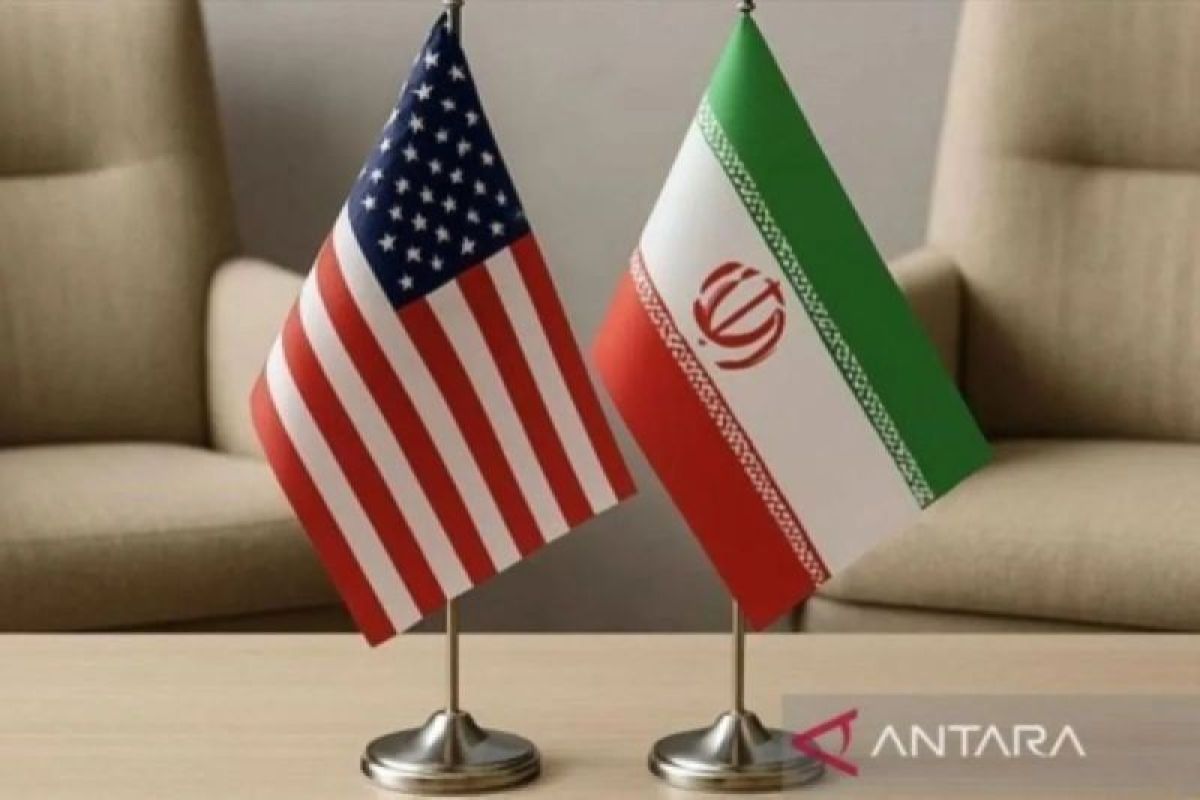
The current US-Iran negotiations are in a phase of utmost caution. Diplomacy continues, but with lowered expectations. The focus is no longer on major breakthroughs, but on preventing the situation from worsening further.
Jakarta (ANTARA) -
Negotiations between the United States (US) and Iran are once again moving in uncertain territory. Diplomatic channels remain open, but the ultimate direction is unclear.
On one hand, there is a need to maintain regional stability. On the other, differences in interests remain sharp and difficult to reconcile.
The latest developments indicate that communication is still ongoing, although much of it is conducted through mediators and indirect channels. This signals that neither side has fully closed the door to dialogue.
However, the fact that communication is not direct also reflects the limited level of trust.
This situation creates a complex dynamic. Negotiations have not truly stopped, but they are also not yielding significant progress. They proceed between two major pressures: the need to avoid escalation and the constraints on compromise.
In this context, diplomacy is no longer solely understood as a means to reach an agreement, but also as a mechanism to manage tensions to prevent them from developing into broader escalation.
In recent times, discussions have continued to cover sensitive issues, from the nuclear programme to regional stability. Yet, despite the ongoing dialogue, there are no strong signs of progress towards a comprehensive agreement.
The negotiations more closely resemble efforts to maintain balance rather than a process leading to resolution. Each step forward is accompanied by equal caution as the desire to advance.
In such conditions, time becomes a crucial factor. The longer negotiations drag on without concrete results, the greater the risk of diplomatic fatigue emerging. This fatigue could erode already fragile trust and strengthen tendencies towards harder approaches.
Pressures and Interests
One of the main factors complicating the negotiations is the differing approaches between the two sides. The United States prioritises restrictions on the nuclear programme, while Iran pushes for initial steps that emphasise de-escalation, including easing economic pressures.
These differences reflect deeper interests. For Washington, the nuclear issue relates to regional security and efforts to prevent the proliferation of strategic weapons. Meanwhile, for Tehran, the economic pressures from sanctions represent a domestic issue that cannot be ignored.