
US-Iran Mutual Attacks Send Global Oil Prices Soaring Again
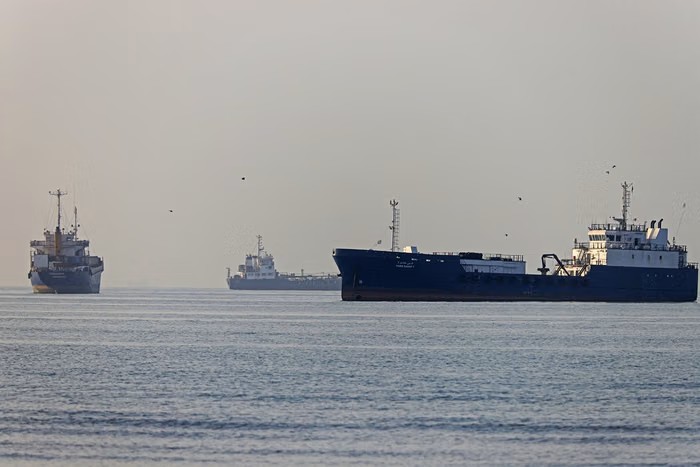
Global crude oil prices continued their rise on Monday (7/9) amid mutual attacks between the United States and Iran targeting ships in the Strait of Hormuz and surrounding areas. The escalation has heightened concerns over a prolonged supply disruption from the Middle East.
Brent crude futures rose 0.82% to US$97.07 per barrel, whilst US West Texas Intermediate (WTI) crude stood at US$92.28 per barrel, up 0.87%.
Last week, Brent prices surged 7.8% and WTI gained almost 10% after the US and Iran resumed attacks on one another. The conflict has reduced the flow of oil through the Strait of Hormuz, a route that normally carries one-fifth of the world’s oil supply.
US Central Command stated that American forces struck three Iranian oil tankers on Saturday (5/9), including one vessel off Kharg Island, near Iran’s main oil export hub.
The Iranian Revolutionary Guard Corps Navy announced on Saturday that it had targeted three oil tankers travelling through unofficial routes in the Strait of Hormuz, as well as three other US vessels in separate areas.
Data released on Monday by analytics firm Kpler showed an average of ten commodity-carrying vessels transiting the Strait of Hormuz per day over the past ten days — the lowest figure since May.
“If tanker traffic begins to slow significantly, the market may start pricing in the impact of a far larger supply shock. And signs that this is happening are already beginning to emerge,” said Priyanka Sachdeva of Phillip Nova, quoted by Reuters on Monday (7/9).
Meanwhile, Secretary of Iran’s Supreme National Security Council Mohsen Rezaei said a restricted zone outside the Strait of Hormuz area would be announced within the coming days.
Finance Minister Purbaya Yudhi Sadewa confirmed that energy subsidies will be maintained to mitigate the impact of the global oil price surge and protect purchasing power.
Deputy Minister of Energy and Mineral Resources Yuliot affirmed that prices of non-subsidised fuels such as Pertamax will follow global oil market prices, which have now climbed to around US$96 per barrel.
Citi forecast that US Treasury yields, particularly at short tenors, will decline towards the end of the year.
Analysts predict WTI crude prices could surpass US$90 per barrel due to intensifying geopolitical tensions in the Strait of Hormuz, the Red Sea and as far as Africa.