
US-Iran MoU Continues, Special Unit Formed to Prevent Escalation in Lebanon
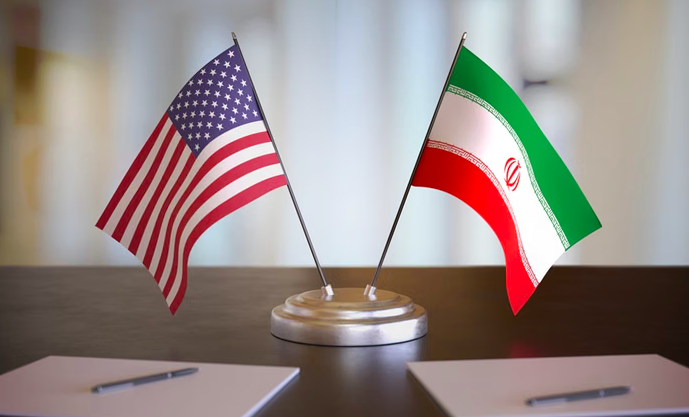
The United States and Iran governments have reached an agreement to form a deconfliction cell as part of efforts to ease tensions and end conflicts in several regions, including Lebanon.
The formation of the unit was announced through a joint statement issued by Qatar and Pakistan, the two nations acting as mediators in the negotiation process between Washington and Tehran.
According to the statement, the new mechanism will involve relevant parties and the Lebanese government, facilitated by both mediating nations to ensure the implementation of the cessation of military operations in accordance with the agreed terms.
“The parties have agreed to create a deconfliction unit, consisting of the parties, the Republic of Lebanon, and facilitated by the Mediators, to ensure compliance with the cessation of military operations in Lebanon in accordance with the MoU,” the mediators’ joint statement reported, as cited by CNN on Monday (22/6).
The establishment of the deconfliction unit is a follow-up step after the United States and Iran signed a Memorandum of Understanding (MoU) last week. The agreement is designed as an initial framework to end conflicts and reduce tensions involving both nations in the Middle East region.
A key point in the MoU is the cessation of fighting on various conflict fronts, including Lebanon, which has become one of the region’s hotspots in recent months.
Nevertheless, the situation in Lebanon remains far from stable. The conflict between Israel and Hezbollah continues despite various ceasefire efforts. Data from the Lebanese Ministry of Health shows that more than 4,000 people have died due to attacks carried out by Israeli forces since 2 March.
Lebanon’s involvement in the regional conflict increased after the United States and Israel launched military operations against Iran in late February. These operations resulted in the death of Iran’s Supreme Leader, Ayatollah Ali Khamenei.
In response to Khamenei’s death, Hezbollah launched a series of attacks against Israel. The group is known as a close ally of Iran and receives support in the form of weaponry and other assistance from Tehran.
The conflict involving Hezbollah is also a sensitive issue in talks between the United States and Iran. For Tehran, halting Israeli attacks against the group, which is considered a strategic regional ally, is one of the primary demands in any negotiation process.
On the other hand, Israel holds a different view. The Israeli government considers Hezbollah a direct threat to its national security and believes the group must be neutralised. These differing interests represent one of the greatest challenges to the implementation of the MoU agreed upon by Washington and Tehran.
Nonetheless, the formation of the deconfliction unit is expected to serve as a mechanism to monitor the implementation of the ceasefire and prevent new escalations in Lebanon.
This step is also seen as an initial test of the effectiveness of the US-Iran MoU in defusing the conflict that has long involved various regional actors in the Middle East.